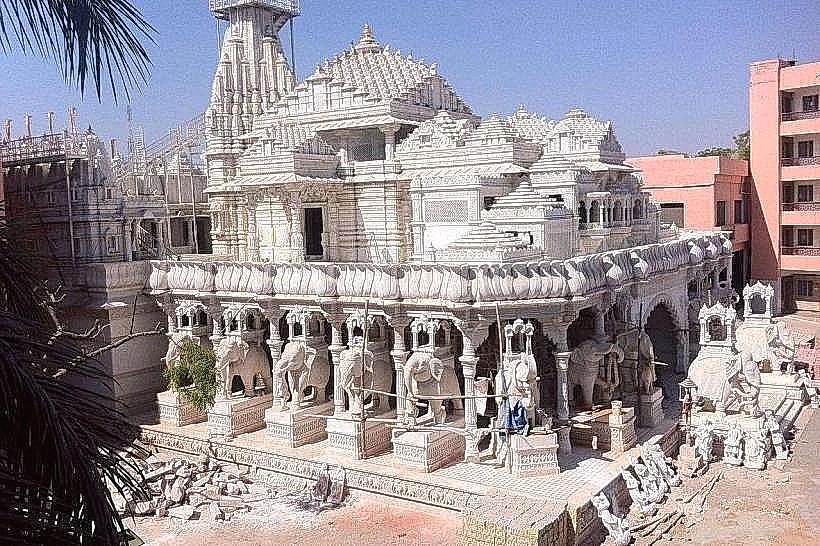
Landmark: Kesariyaji Temple (Ranakpur Jain Temple)
City: Udaipur
Country: India
Continent: Asia
Kesariyaji Temple (Ranakpur Jain Temple), Udaipur, India, Asia
The Kesariyaji Temple, also known as the Ranakpur Jain Temple, is a significant Jain pilgrimage site located in the Aravalli Range of Rajasthan, India.
Visual Characteristics
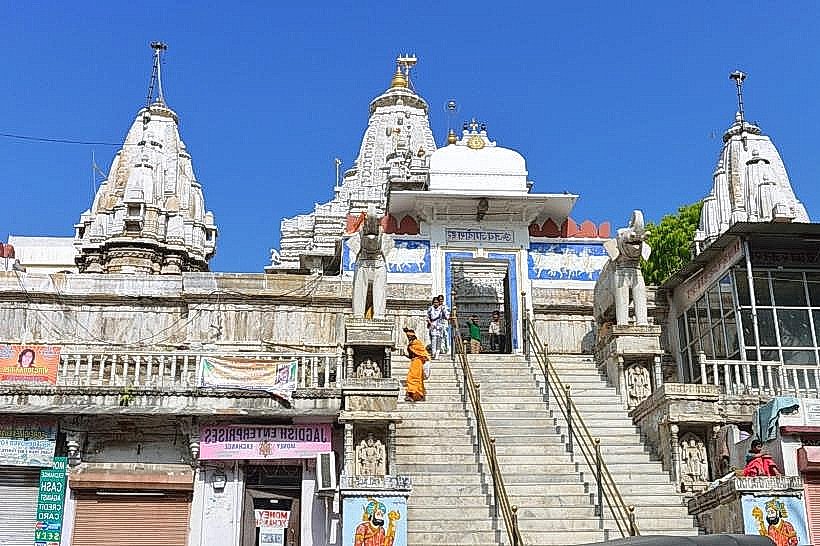
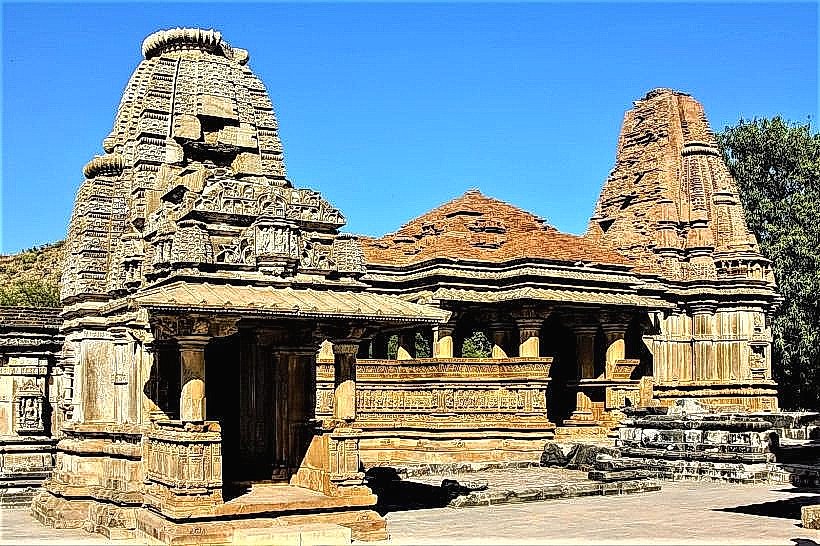
This temple complex is constructed primarily from white marble. It features intricate carvings and detailed sculptures across its numerous pillars, ceilings, and walls. The architecture is characterized by its complex layout, with 1,444 uniquely carved pillars supporting the roof. The main shrine houses a black idol of Lord Rishabhanatha.
Location & Access Logistics
The temple is situated approximately 96 kilometers north of Udaipur. Access is via State Highway 11, which connects to National Highway 48. The nearest major airport is Maharana Pratap Airport (UDR) in Udaipur. From Udaipur, private taxis or buses are available. The temple has a dedicated parking area for vehicles. The closest railway station is Falna, approximately 25 kilometers away, from where local transport can be arranged.
Historical & Ecological Origin
Construction of the temple began in the 15th century, initiated by Dharna Shah, a minister in the court of Rana Kumbha of Mewar. The temple is dedicated to Rishabhanatha, the first Tirthankara of Jainism. The site is located within the Aravalli Range, a geologically ancient mountain system.
Key Highlights & Activities
Visitors can explore the main temple complex, including the Chaumukha (four-faced shrine) and the Surya Narayan Temple. Photography is permitted in designated areas. Devotional activities and circumambulation of the shrines are common. Guided tours are available, providing detailed explanations of the temple's history and iconography.
Infrastructure & Amenities
Restrooms are available on the premises. Shaded areas are provided within the temple complex. Cell phone signal (4G/5G) is generally available. Food vendors and small shops are located outside the temple complex, offering refreshments and religious items.
Best Time to Visit
The best time of day for photography is generally in the morning or late afternoon when the sunlight creates distinct shadows on the intricate carvings. The optimal months for visiting are from October to March, when the weather is cooler and drier. The temple is accessible year-round.
Facts & Legends
A local legend states that the temple was built in a single night, though historical records indicate a construction period of approximately 50 years. Another notable fact is that no two of the 1,444 pillars are carved identically.
Nearby Landmarks
- Ranakpur Dam (0.8km West)
- Kumbhalgarh Fort (35km Northeast)
- Sadri town (10km South)
- Muchhal Mahavir Temple (12km Southwest)