Landmark: Lake Mead National Recreation Area
City: Boulder City
Country: USA Nevada
Continent: North America
Lake Mead National Recreation Area, Boulder City, USA Nevada, North America
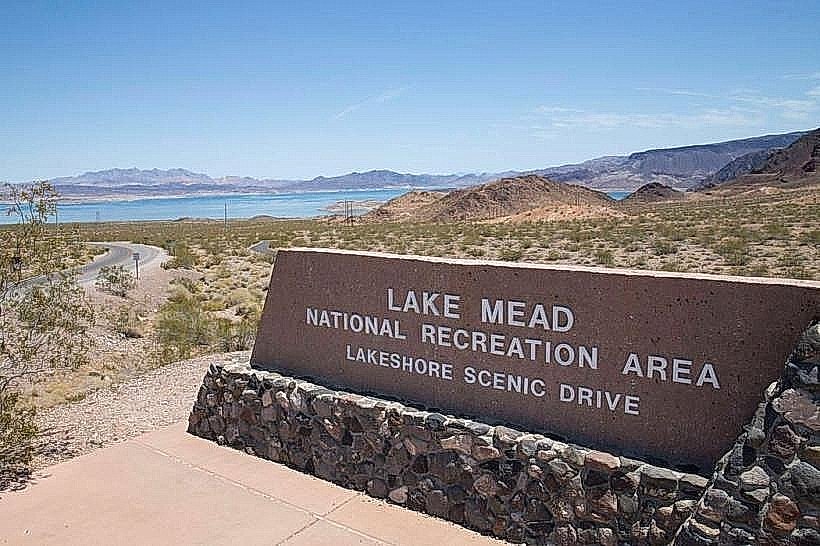
Lake Mead National Recreation Area is a reservoir located in the Mojave Desert, bordering Nevada and Arizona, USA. It is the largest reservoir in the United States by volume.
Visual Characteristics
The reservoir's water color varies from deep blue to turquoise depending on water levels and sediment content. The surrounding landscape consists of arid desert terrain with exposed rock formations, canyons, and sparse desert vegetation including creosote bush and Joshua trees. Shorelines are often characterized by exposed rock and sand.
Location & Access Logistics
Lake Mead is accessible from Boulder City, Nevada, approximately 30 miles southeast of Las Vegas. Major access points include the U.S. Route 93 corridor. Several entrances exist, including the Boulder City Entrance Station and the Lake Mead Visitor Center entrance. Parking is available at designated areas near visitor centers, marinas, and popular access points. Public transport is not directly available to the recreation area; private vehicle or taxi/rideshare services from Boulder City or Las Vegas are required.
Historical & Ecological Origin
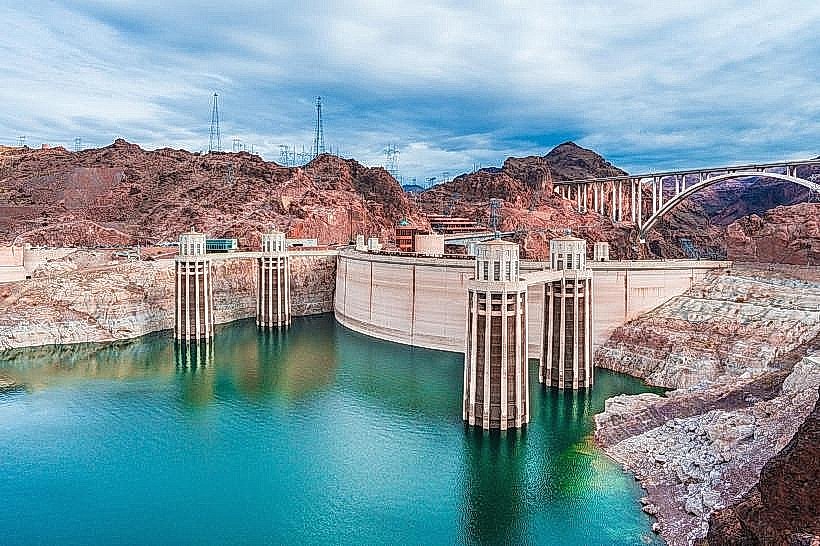
Lake Mead was formed by the construction of the Hoover Dam, completed in 1936. The dam impounds the Colorado River, creating the reservoir. The area is geologically characterized by sedimentary rock formations typical of the Basin and Range Province.
Key Highlights & Activities
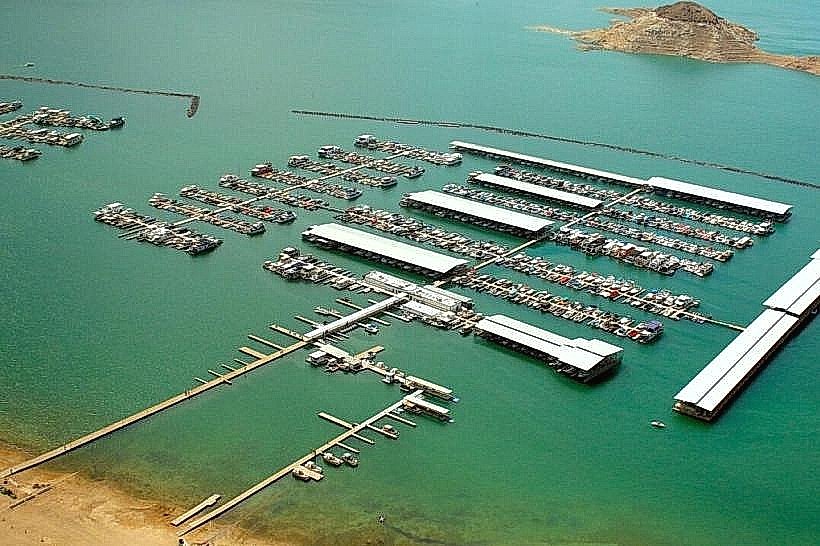
Activities include boating, fishing, swimming, and waterskiing on the reservoir. Hiking trails are available in various sections, such as the Historic Railroad Trail. Kayaking and paddleboarding are also popular. Boat launches are located at marinas like Hemenway Harbor and Echo Bay.
Infrastructure & Amenities
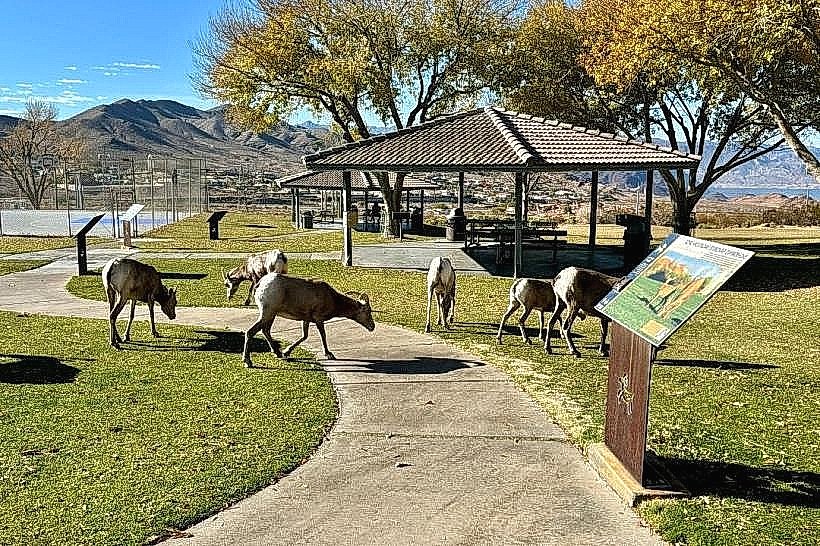
Restrooms are available at visitor centers and developed areas. Shade structures are present at some picnic areas and overlooks. Cell phone signal is intermittent and generally unreliable within the recreation area, particularly in canyons and remote sections. Food vendors are located at marinas and visitor centers, though options can be limited.
Best Time to Visit
The best time for water activities is during the warmer months, from May to September. For hiking and desert exploration, spring (March-April) and fall (October-November) offer more moderate temperatures. Mid-morning to late afternoon provides direct sunlight for photography, though early morning and late evening offer softer light and potential wildlife viewing.
Facts & Legends
The water level of Lake Mead fluctuates significantly based on drought conditions and water usage from the Colorado River. A unique tip for visitors is to check the National Park Service website for current water levels and any potential closures or advisories before arrival, as these can impact access and activities.
Nearby Landmarks
- Hoover Dam (0.5km West)
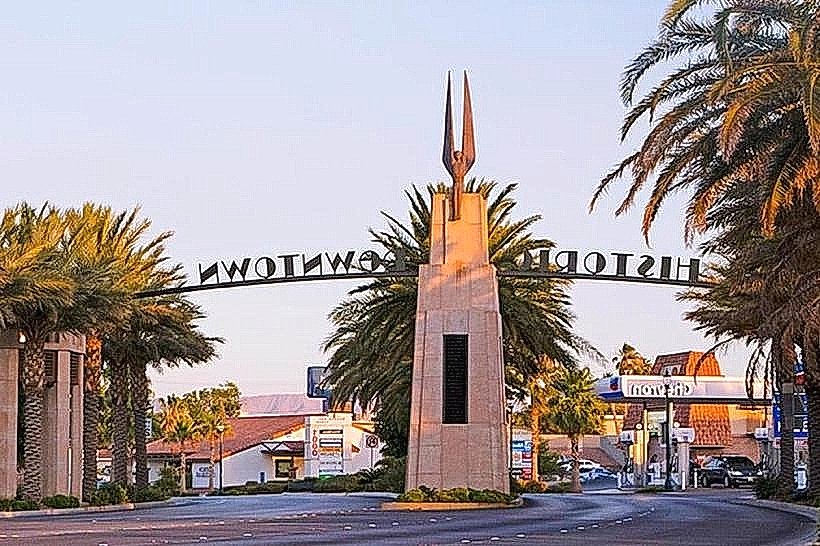
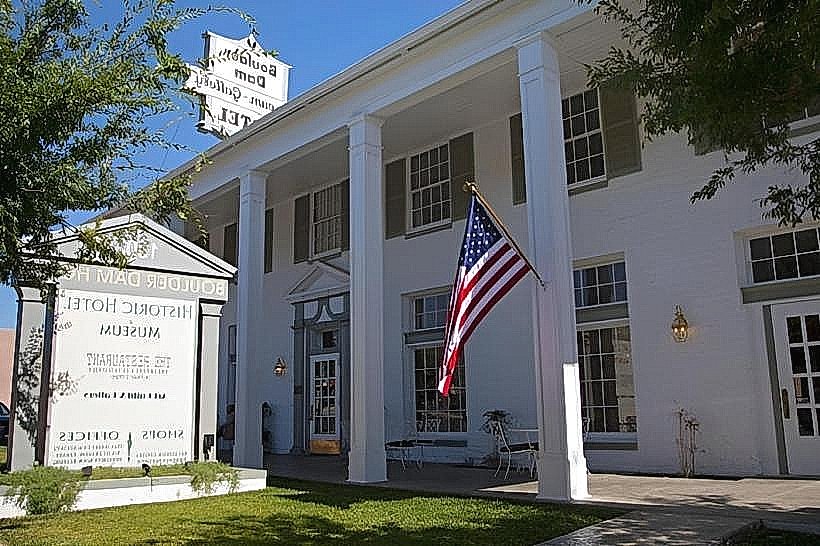
- Boulder City Historic District (10km Northwest)
- Grand Canyon National Park - West Rim (approximately 1.5 hours drive East)
- Valley of Fire State Park (approximately 1 hour drive North)