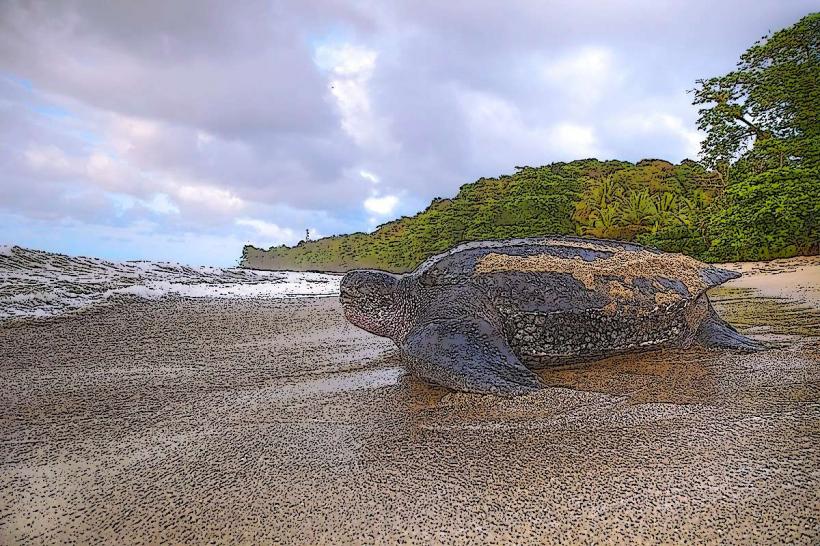
Landmark: L’Anse Noire Beach
City: Toco
Country: Trinidad and Tobago
Continent: North America
L’Anse Noire Beach, Toco, Trinidad and Tobago, North America
L’Anse Noire Beach is a coastal area situated in Toco, on the northeastern tip of Trinidad, Trinidad and Tobago.
Visual Characteristics
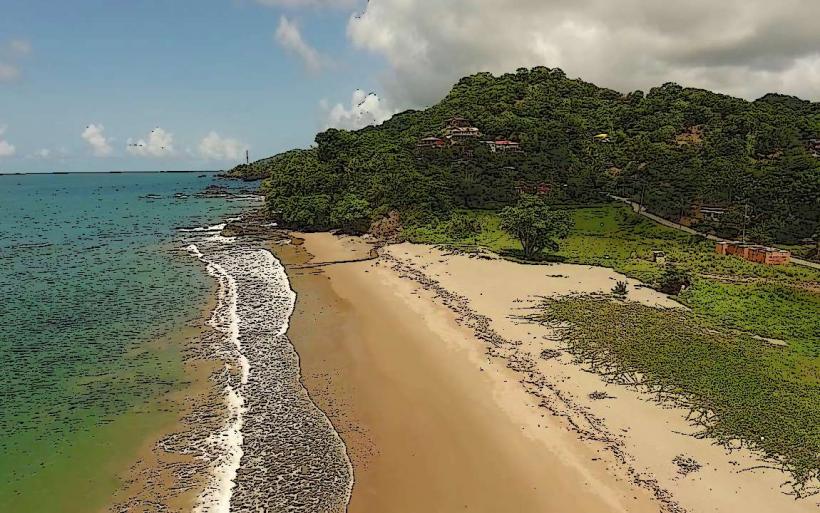
The beach features dark, volcanic sand. The water color is typically a deep blue, transitioning to lighter shades closer to shore. The coastline is bordered by dense tropical vegetation, including coconut palms and various broadleaf trees. The beach is approximately 1.5 kilometers in length.
Location & Access Logistics
L’Anse Noire Beach is located approximately 75 kilometers east of Port of Spain. Access is via the Churchill Roosevelt Highway, which becomes the Eastern Main Road, and then the Toco Main Road. The final approach is via a narrow, unpaved track that branches off the Toco Main Road, approximately 2 kilometers before reaching the village of Toco. This track is suitable for 4x4 vehicles, especially during the wet season. Parking is informal and available along the track or at the beach's edge. Public transport to Toco is available via bus routes originating from Port of Spain, but onward travel to the beach requires a taxi or private vehicle.
Historical & Ecological Origin
The dark sand is a result of the beach's geological origin, composed of eroded volcanic rock from the island's geological past. The surrounding vegetation is characteristic of a tropical rainforest ecosystem, influenced by the warm, humid climate and proximity to the Atlantic Ocean.
Key Highlights & Activities
Swimming is possible, though conditions can be rough due to Atlantic swells. Beachcombing along the dark sand is a primary activity. Observing the coastal vegetation and birdlife is also feasible. No organized tours or specific activities are regularly scheduled.
Infrastructure & Amenities
There are no permanent structures or facilities at L’Anse Noire Beach. Restrooms, shade, and food vendors are not present. Cell phone signal is intermittent and generally unreliable.
Best Time to Visit
The best time for photography is during the early morning or late afternoon when the sun angle provides optimal lighting on the dark sand. The dry season, from January to May, offers more predictable weather. Swimming conditions are generally calmer during the morning hours before the Atlantic winds pick up.
Facts & Legends
Local folklore suggests that the dark color of the sand is due to a mythical sea serpent that shed its scales into the ocean centuries ago. Geologically, the dark color is attributed to the presence of magnetite and other heavy minerals derived from volcanic rock.
Nearby Landmarks
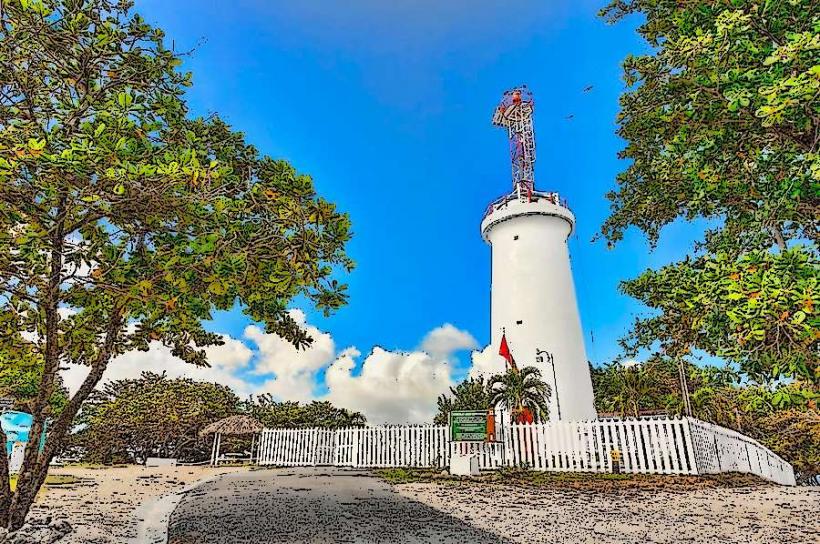
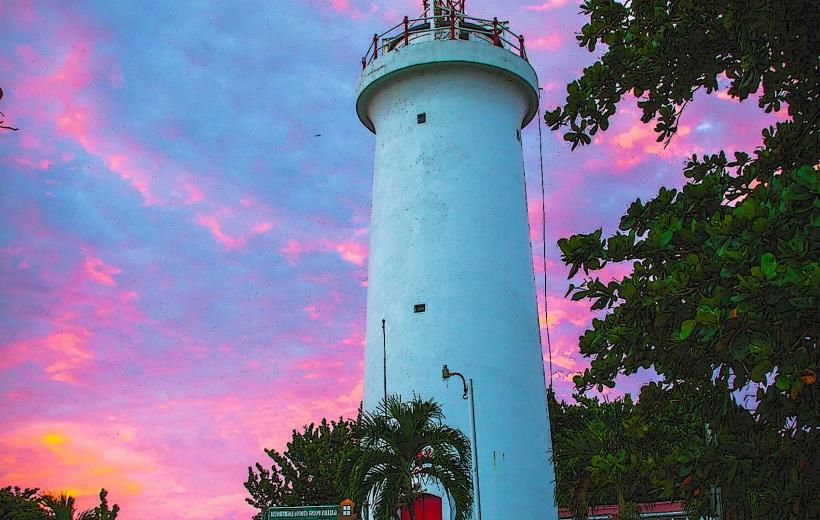
- Toco Lighthouse (1.2km North)
- Sans Souci Beach (3.5km East)
- Matura National Park (15km Southwest)
- Grand Riviere Beach (20km West)