Landmark: Magnolia Mound Plantation House
City: Baton Rouge
Country: USA Louisiana
Continent: North America
Magnolia Mound Plantation House, Baton Rouge, USA Louisiana, North America
Magnolia Mound Plantation House is a historic house museum located in Baton Rouge, Louisiana. It preserves and interprets the life and architecture of a French Creole plantation.
Visual Characteristics
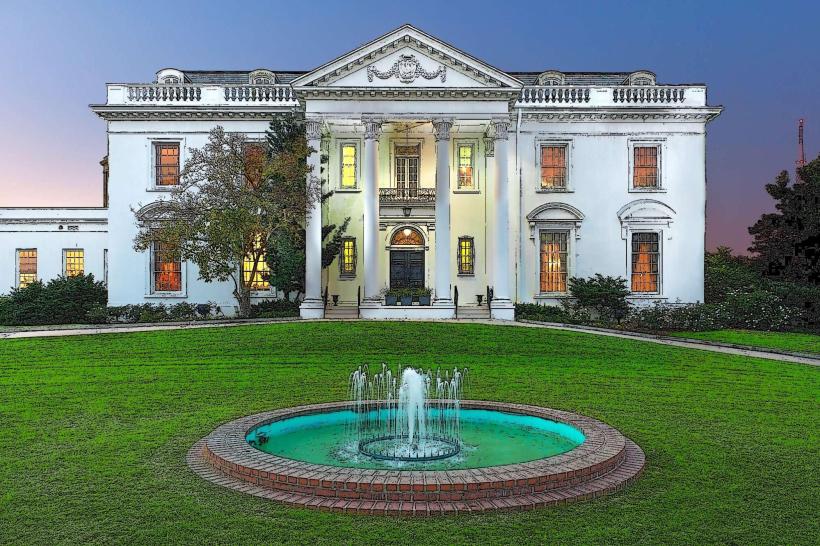
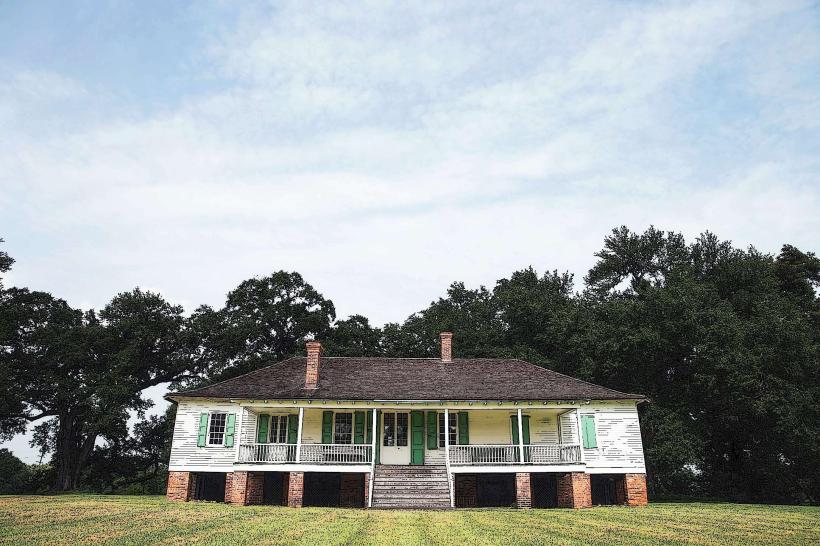
The house is a two-story structure constructed primarily of brick and stucco. It features a hipped roof with dormer windows and a prominent central pavilion. The exterior walls are painted a pale yellow, and the foundation is raised. A wide, covered gallery encircles the first floor, supported by square brick columns. The interior features original cypress wood flooring and plaster walls.
Location & Access Logistics
Magnolia Mound Plantation House is situated at 1901 Magnolia Mound Road, Baton Rouge, LA 70806. It is approximately 3.2 kilometers (2 miles) southeast of the downtown Baton Rouge area. Access is via Magnolia Mound Road, which connects to River Road. Ample parking is available on-site. Public transport options include the Capital Area Transit System (CATS) bus route 15, which stops within walking distance of the entrance.
Historical & Ecological Origin
The house was constructed between 1790 and 1803 by Jean-Étienne de Boré, the first mayor of New Orleans. It was built as a residence for his family and enslaved workers. The plantation was originally established for sugar cultivation. The site is located on the Mississippi River floodplain, a fertile alluvial soil region.
Key Highlights & Activities
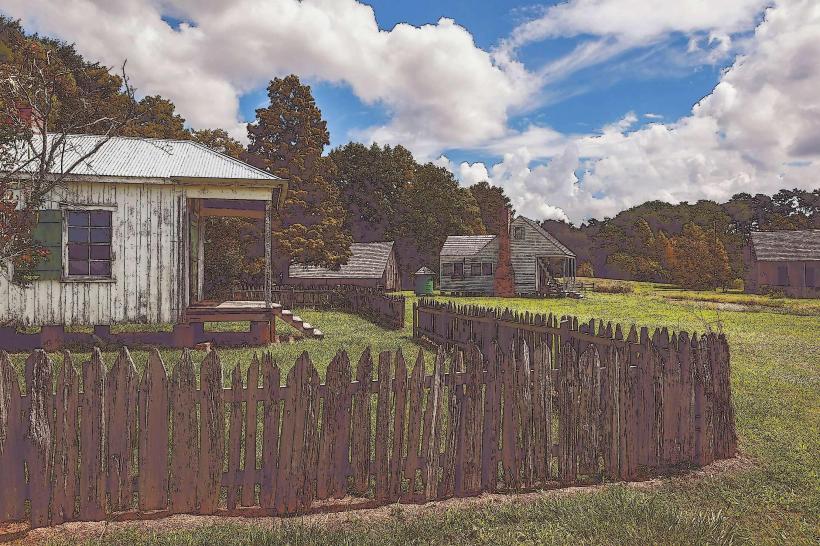
Visitors can participate in guided tours of the main house, which detail the lives of the plantation's inhabitants, including the enslavers and the enslaved people. The grounds include reconstructed slave cabins and a kitchen building. Demonstrations of historical crafts are sometimes offered. Walking the plantation grounds allows for observation of the original landscape design.
Infrastructure & Amenities
Restrooms are available on-site. Shaded areas are present within the gallery and under mature trees on the grounds. Cell phone signal (4G/5G) is generally available. Food vendors are not located directly on the plantation grounds, but are available in the nearby downtown Baton Rouge area.
Best Time to Visit
The best time of day for photography of the house's exterior is in the late afternoon when the western light illuminates the facade. The most comfortable months for visiting are spring (March-May) and fall (September-November) due to moderate temperatures. No specific tide requirements are applicable.
Facts & Legends
A notable historical detail is that Jean-Étienne de Boré successfully cultivated sugar cane on a commercial scale, transforming Louisiana's economy. A local legend suggests that the spirits of former residents can sometimes be felt or heard within the house, particularly in the upper rooms.
Nearby Landmarks
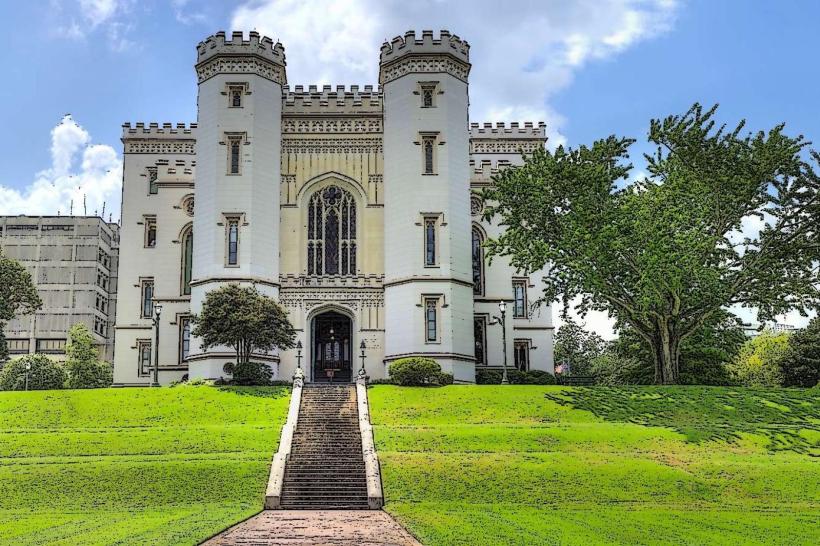
- Old State Capitol (1.8km Northwest)
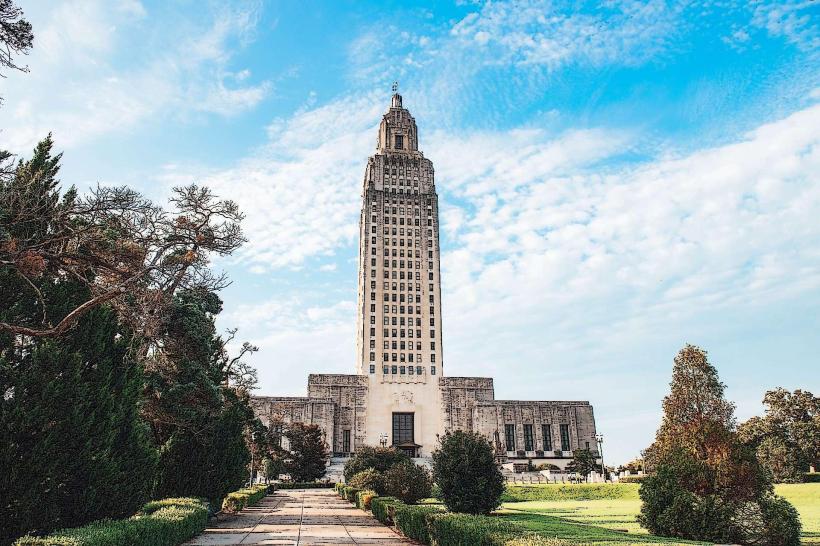
- Louisiana State Capitol (2.5km Northwest)
- USS Kidd Veterans Museum (2.0km Northwest)
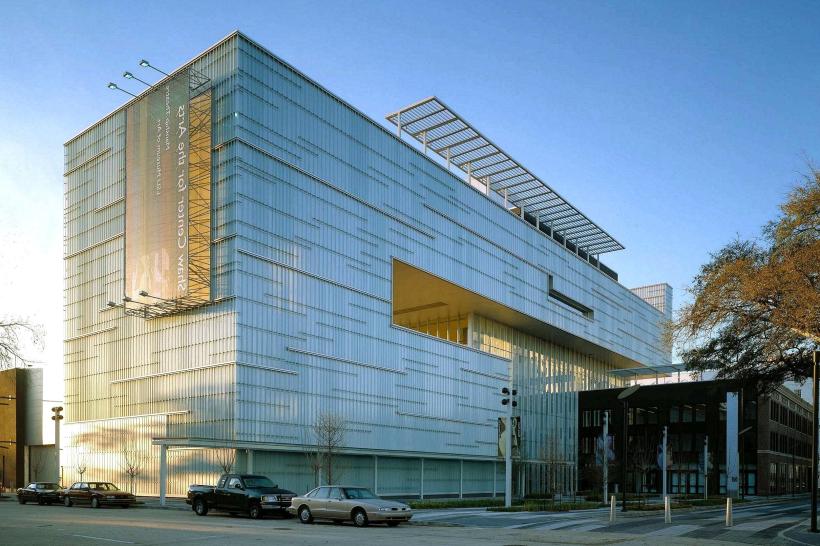
- Shaw Center for the Arts (2.2km Northwest)