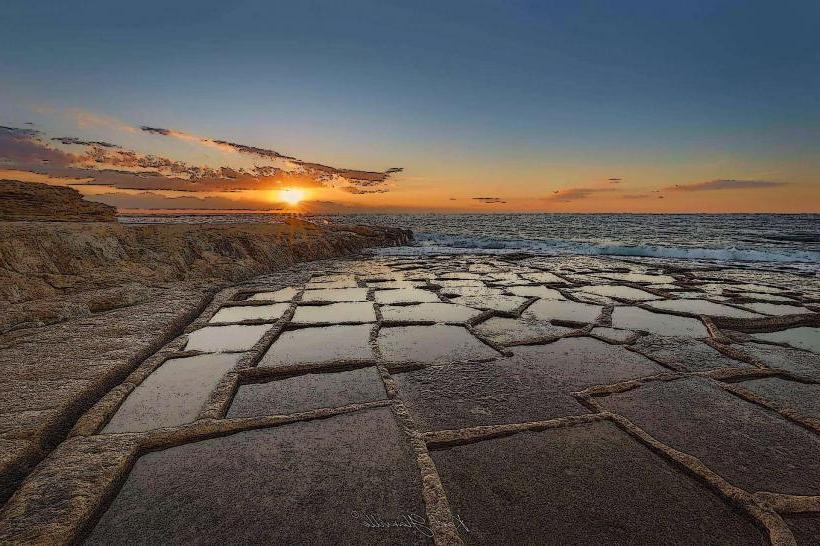
Landmark: Marsascala Salt Pans
City: Marsascala
Country: Malta
Continent: Europe
Marsascala Salt Pans, Marsascala, Malta, Europe
Visual Characteristics
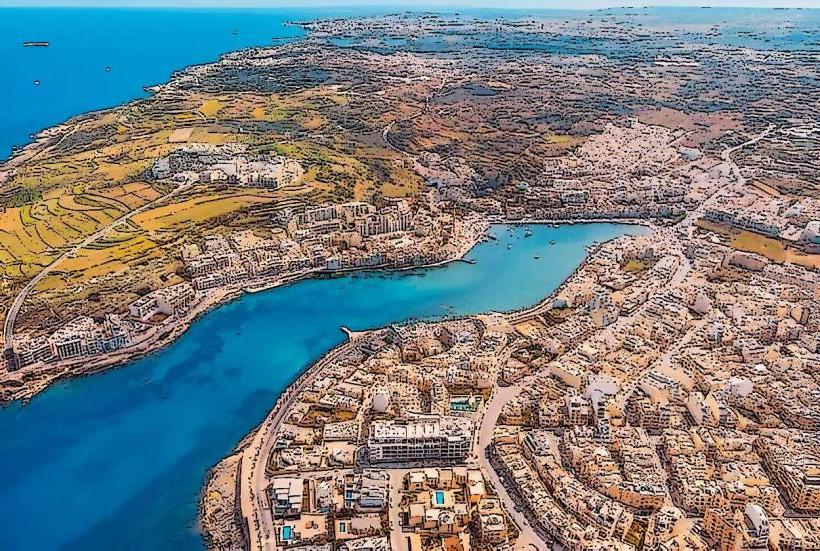
The salt pans consist of numerous rectangular and irregularly shaped basins carved into the coastal limestone. During the evaporation process, the basins display varying shades of white from crystallized salt, light blue from shallow seawater, and grey from the underlying rock. The structures are low-lying, typically less than 0.5 meters in height, forming a flat, terraced landscape directly adjacent to the Mediterranean Sea.
Location & Access Logistics
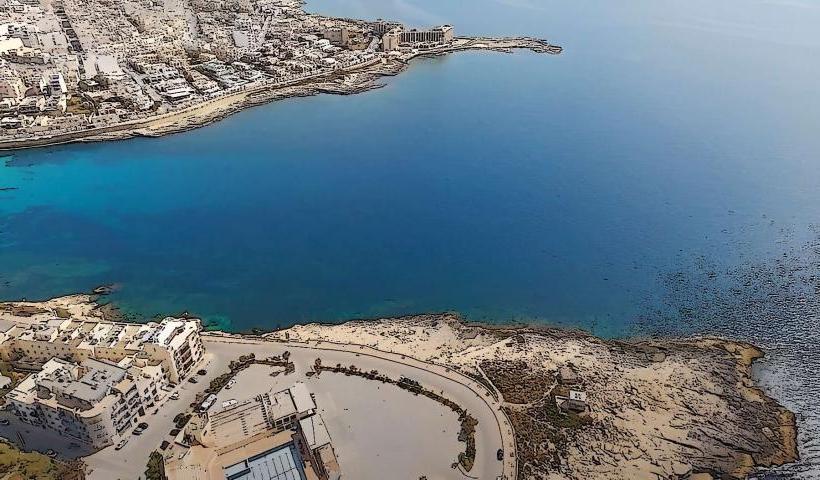
The Marsascala Salt Pans are situated along the coastal road, Triq is-Salini, on the northern side of Marsascala Bay. They are approximately 1.5 kilometers northeast of the Marsascala town center. Limited street parking is available along Triq is-Salini. Public transport access is via Malta Public Transport bus routes 91 and 92, with stops located within 0.3 kilometers of the pans.
Historical & Ecological Origin
The Marsascala Salt Pans have an operational history dating back to at least the Roman period, with evidence suggesting earlier Phoenician use. Their primary purpose has consistently been the extraction of sea salt through solar evaporation. While specific architects are not documented, the construction involves the manual carving and maintenance of shallow basins in the natural limestone bedrock.
Key Highlights & Activities
Visitors can observe the traditional salt harvesting process during summer months. Photography of the geometric patterns and coastal landscape is a common activity. Walking along the perimeter of the pans provides views of the adjacent coastline and marine life.
Infrastructure & Amenities
No dedicated public restrooms or shaded areas are present directly at the salt pans. Cell phone signal (4G/5G) is generally available. Food vendors and cafes are located approximately 0.5 kilometers away in the Marsascala town center.
Best Time to Visit
The best time to visit for observing active salt production is during the dry summer months, from June to September. Early morning or late afternoon provides optimal lighting for photography, minimizing glare off the water and salt crystals. No specific tide requirements affect access or viewing.
Facts & Legends
A local historical fact is that salt from these pans was historically a significant commodity for trade and preservation in Malta. A practical tip for visitors is to wear sturdy footwear, as the ground around the pans can be uneven and rocky.
Nearby Landmarks
- St. Thomas Bay: 1.5km South
- Zonqor Point: 2.0km North
- Marsascala Parish Church: 1.0km West
- Sant'Antnin Family Park: 2.5km West