Landmark: Mirror Wall
City: Sigiriya
Country: Sri Lanka
Continent: Asia
Mirror Wall, Sigiriya, Sri Lanka, Asia
The Mirror Wall is a section of the Sigiriya-rock-fortress_sigiriya" class="underline">Sigiriya Rock Fortress in Sri Lanka, characterized by its polished plaster surface. It is located on the western face of the Sigiriya rock.
Visual Characteristics
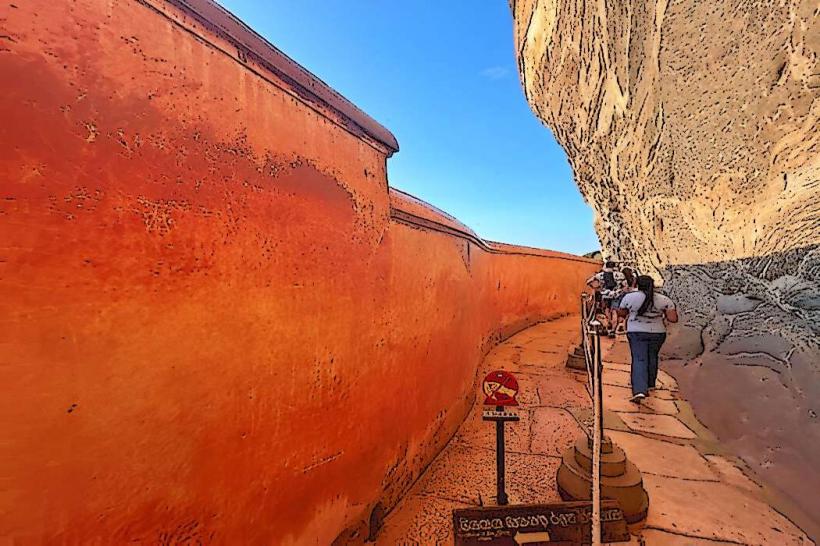
The Mirror Wall is a plastered wall, approximately 180 meters long and 3 meters high. The plaster is a lime-based mixture, historically polished to a high sheen, reflecting light. The surface is divided into panels, some of which still retain remnants of ancient frescoes depicting female figures.
Location & Access Logistics
The Mirror Wall is situated at the base of the Sigiriya rock, accessible via the main pathway leading to the fortress entrance. Sigiriya is approximately 165 kilometers north of Colombo. Parking is available at the Sigiriya Archaeological Site entrance. Public bus services operate from Dambulla and Kandy to Sigiriya village.
Historical & Ecological Origin
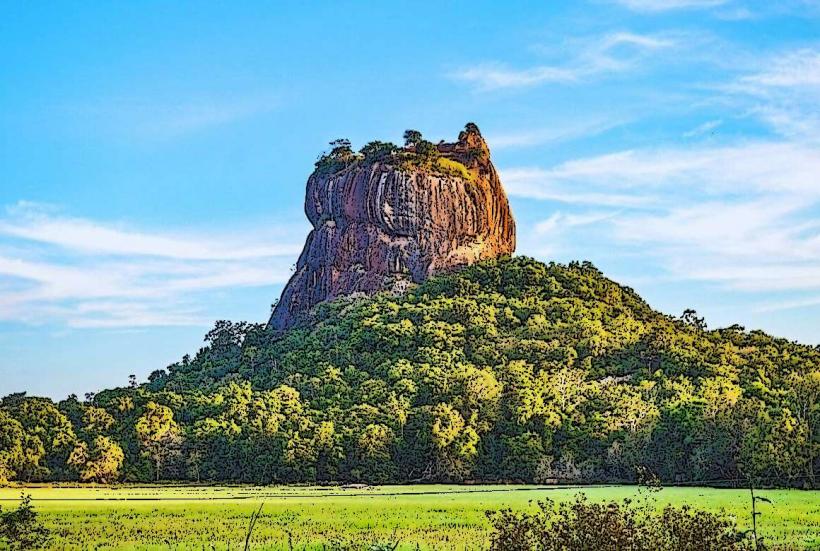
The Mirror Wall was constructed in the 5th century AD during the reign of King Kashyapa I. It served as a protective element and a decorative feature of the royal palace complex. The Sigiriya rock itself is a hardened magma plug of an extinct volcano, rising 200 meters above the surrounding plains.
Key Highlights & Activities
Visitors can observe the remaining sections of the polished plaster and the faint outlines of ancient paintings. The wall is part of the ascent to the Sigiriya Rock Fortress, and access is included with the entrance ticket to the site.
Infrastructure & Amenities
Restrooms are available at the Sigiriya Archaeological Site entrance. Shade is limited along the Mirror Wall itself, with more provided at the base and summit of the rock. Cell phone signal (4G/5G) is generally available in the area. Food vendors are located near the main entrance to the archaeological site.
Best Time to Visit
For optimal viewing of the wall's reflective qualities and the frescoes, early morning or late afternoon light is recommended. The dry season, from December to April, offers the most favorable weather conditions. High tide is not applicable to this inland site.
Facts & Legends
The Mirror Wall was once so highly polished that the king could see his reflection as he walked past. Some sections of the wall contain ancient graffiti, dating back to the 8th century, which are considered some of the earliest known writings in Sri Lanka.
Nearby Landmarks
- Sigiriya Rock Fortress (0km)
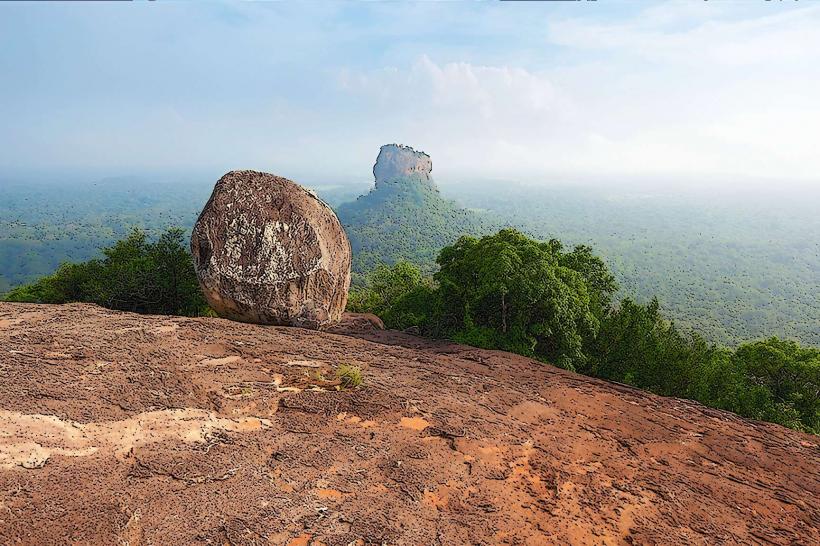
- Pidurangala Rock (1.5km Northwest)
- Ancient City of Polonnaruwa (55km Northeast)
- Dambulla Royal Cave Temple and Golden Temple (20km Southwest)
- Minneriya National Park (30km East)