Landmark: Narikala Fortress
City: Tbilisi
Country: Georgia
Continent: Asia
Narikala Fortress, Tbilisi, Georgia, Asia
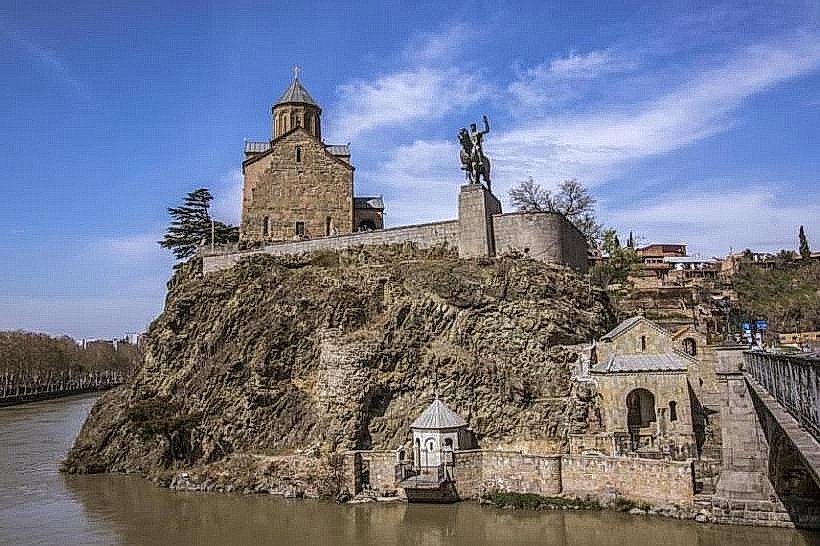
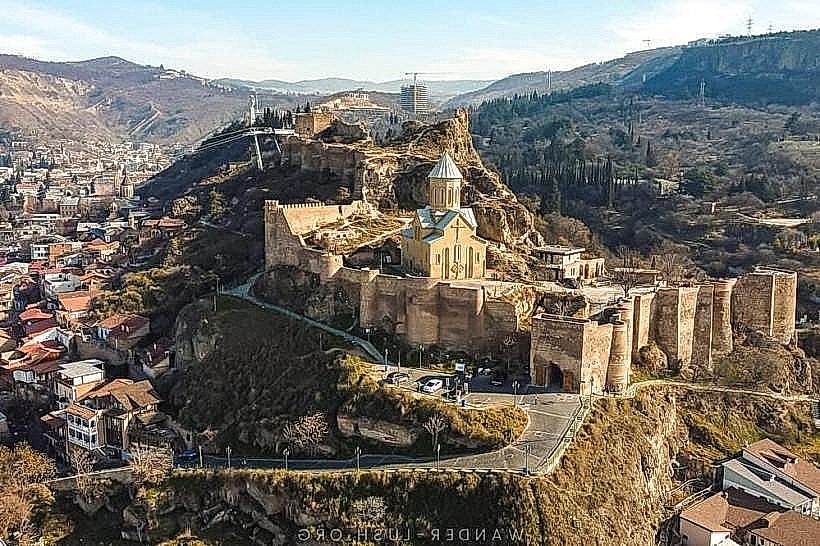
Narikala Fortress is a historic fortification situated on a steep hill overlooking the city of Tbilisi, Georgia.
This ancient citadel offers strategic views and represents a significant historical site within the capital.
Visual Characteristics
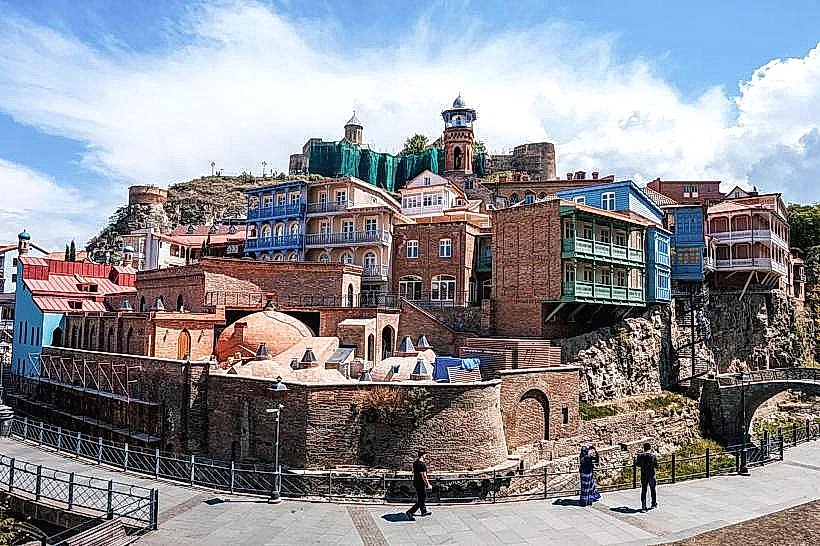
The fortress is constructed primarily from brick and stone. Its walls exhibit varying states of preservation, with sections showing extensive damage and others remaining largely intact. The dominant colors are earthy tones of brown and grey, reflecting the natural materials used. The structure follows the contours of the hill, with towers and ramparts defining its perimeter. The architectural style is a blend of Persian and Georgian influences, evident in its defensive design and the remnants of its original layout.
Location & Access Logistics
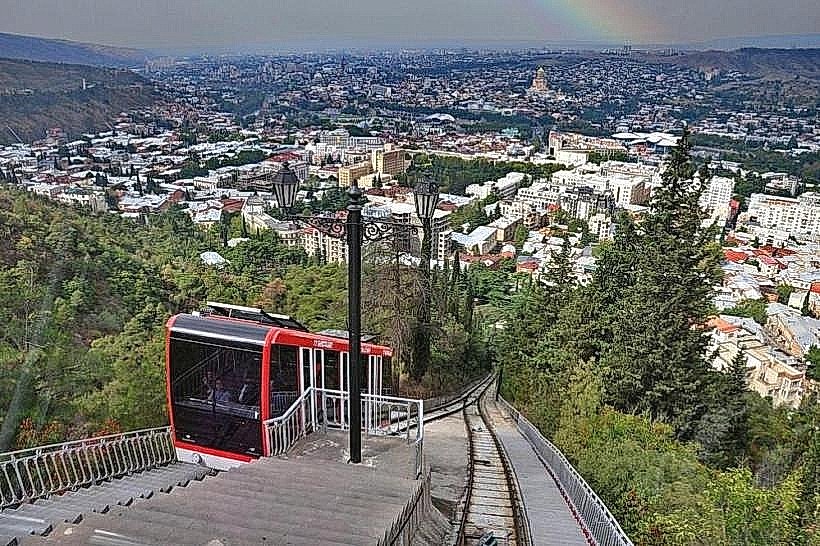
Narikala Fortress is located in the Old Town district of Tbilisi. It is approximately 1.5 kilometers East of Freedom Square. Access is possible via a steep pedestrian path from the Abanotubani district or by taking the cable car from Rike Park. The cable car station is located on the left bank of the Mtkvari River. Parking is limited in the immediate vicinity of the fortress; visitors typically park in designated lots in the Old Town and walk or use public transport. Bus routes 31, 44, and 137 stop near the base of the hill.
Historical & Ecological Origin
The origins of Narikala Fortress date back to the 4th century AD, when it was a Persian citadel. It was significantly expanded and rebuilt by Georgian rulers in subsequent centuries, particularly during the 7th and 11th centuries. The fortress served as a primary defensive structure for Tbilisi throughout various periods of occupation and conflict. Its strategic placement on the hill was chosen for its natural defensibility.
Key Highlights & Activities
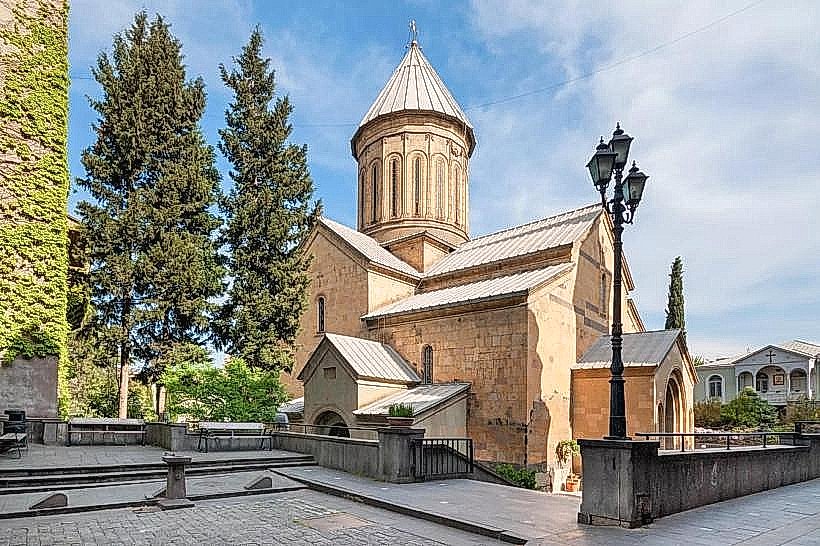
Exploration of the fortress walls and towers is permitted. Visitors can walk along accessible sections of the ramparts. The St. Nicholas Church, located within the fortress complex, is open to visitors. Photography of the city panorama from various vantage points is a common activity. Guided tours are available, departing from the cable car station or the fortress entrance.
Infrastructure & Amenities
Restrooms are available near the cable car station and at the base of the fortress. Limited shaded areas exist within the fortress complex, primarily around the church. Cell phone signal (4G/5G) is generally available throughout the site. Food vendors and small cafes are located at the base of the hill and near the cable car station in Rike Park.
Best Time to Visit
For optimal lighting for photography, the late afternoon (approximately 2-3 hours before sunset) provides favorable angles and softer light. The best months for visiting are April to June and September to October, offering mild temperatures. Visiting during weekdays can reduce crowd density compared to weekends.
Facts & Legends
A local legend suggests that the fortress was named Narikala, meaning "inviolable fortress," by the Mongols. Another account states that the name derives from the Persian word "Narin Qal'a," meaning "Little Fortress." A specific tip for visitors is to wear sturdy footwear due to the uneven terrain and steep inclines within the fortress.
Nearby Landmarks
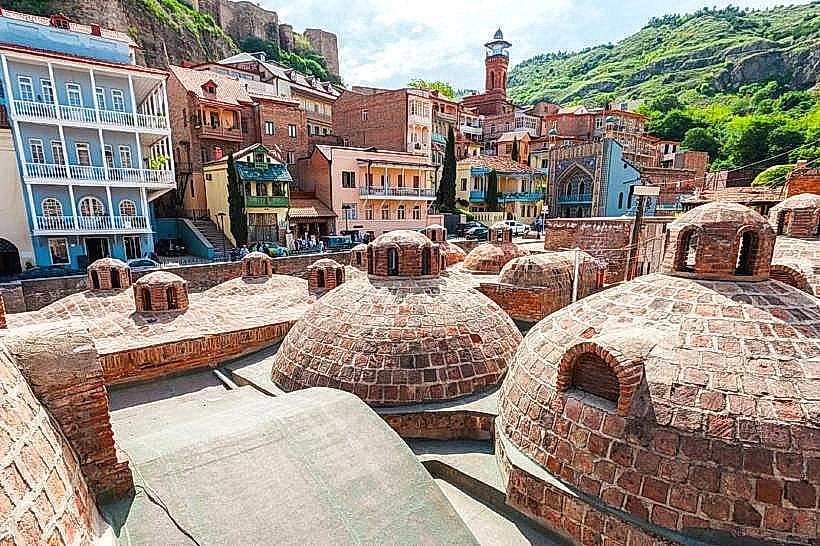
- Abanotubani (Sulphur Baths) - 0.3km West
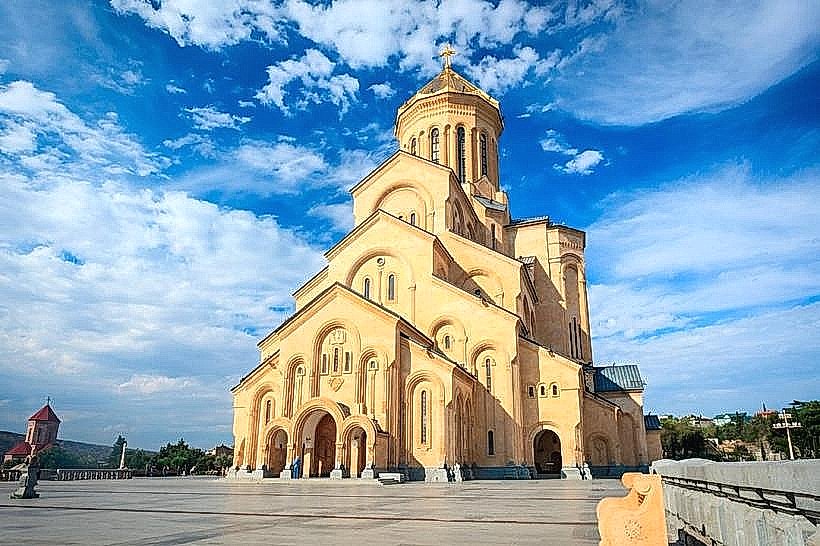
- Holy Trinity Cathedral of Tbilisi - 1.2km Northwest
- National Botanical Garden of Georgia - 0.8km West
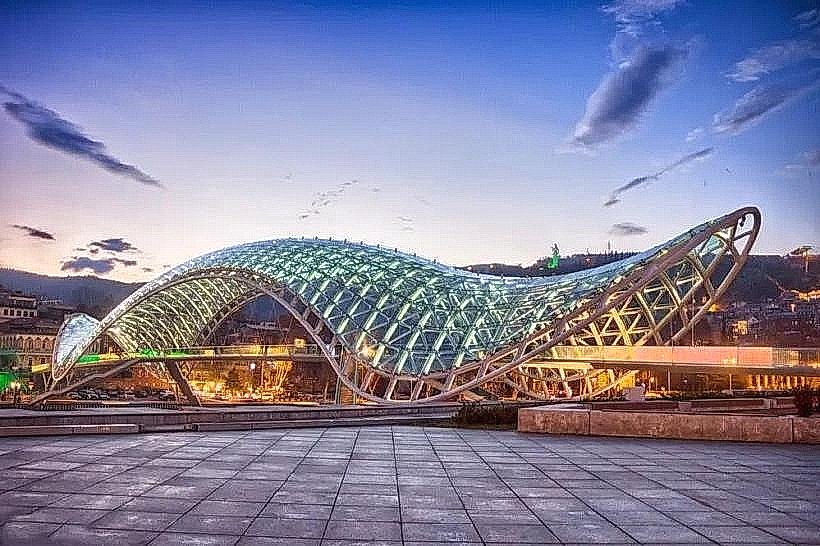
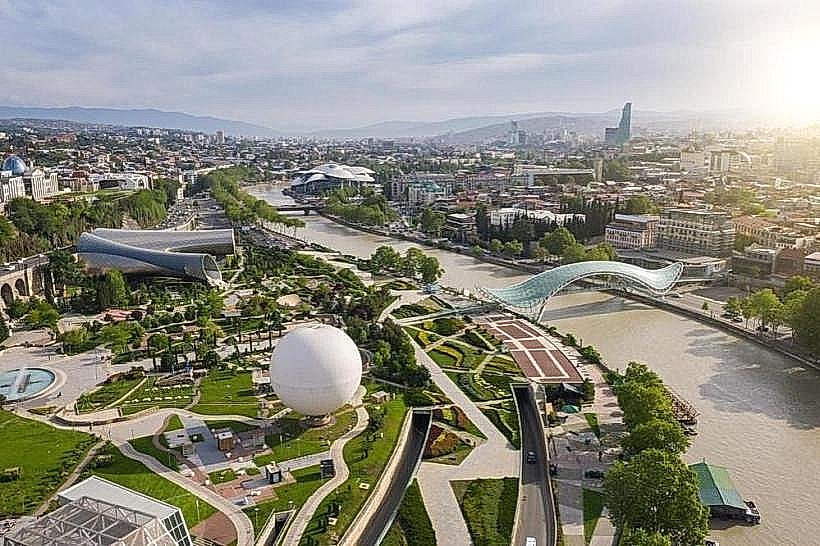
- Bridge of Peace - 0.7km West
- Tbilisi History Museum - 0.4km West