Landmark: Sulfur Baths (Abanotubani)
City: Tbilisi
Country: Georgia
Continent: Asia
Sulfur Baths (Abanotubani), Tbilisi, Georgia, Asia
The Sulfur Baths, known locally as Abanotubani, are a district of bathhouses located in the Old Town of Tbilisi, Georgia.
Visual Characteristics
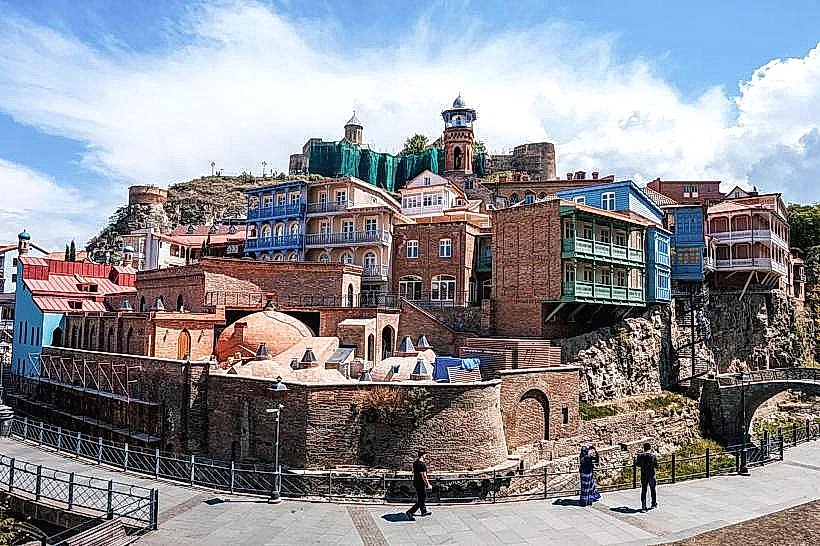
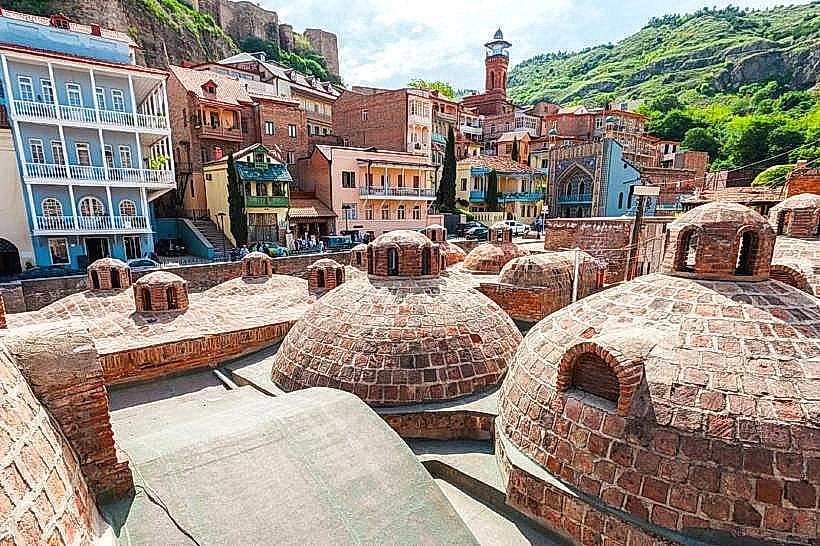
The bathhouses are characterized by their distinctive domed brick roofs, many of which are partially submerged below street level. The visible portions of the structures are constructed from brick and stone. The water flowing from the springs is a pale yellow to light brown color due to its high sulfur content.
Location & Access Logistics
Abanotubani is situated in the Sololaki district, at the base of the Narikala Fortress. It is approximately 1 kilometer south of Freedom Square, the city center. Access is via Vakhtang Gorgasali Street. Parking is limited in the immediate vicinity; visitors typically arrive on foot or via taxi. Bus routes 31, 34, and 55 stop near Freedom Square, requiring a short walk to the baths.
Historical & Ecological Origin
The existence of the sulfur springs is attributed to volcanic activity in the region. According to legend, King Vakhtang Gorgasali discovered the hot springs in the 5th century and chose the location for his capital. The first bathhouses were constructed in the 17th century, with many rebuilt or renovated in the 19th century.
Key Highlights & Activities
Visitors can book private rooms for bathing. Public bathhouses are also available. The experience involves soaking in the naturally heated sulfurous water. Some facilities offer massage services. Observing the unique architecture of the bathhouses is also a primary activity.
Infrastructure & Amenities
Each bathhouse typically contains private bathing rooms with showers and pools. Public restrooms are available within the bathhouses. Shade is provided within the private rooms. Cell phone signal (4G/5G) is generally available in the area. Food vendors and cafes are located on Vakhtang Gorgasali Street adjacent to the bathhouses.
Best Time to Visit
The baths are open year-round. For photography, early morning or late afternoon provides softer light on the brickwork. The temperature of the water remains constant. Visiting during weekdays may result in fewer crowds.
Facts & Legends
The legend states that King Vakhtang Gorgasali's falcon fell into the hot sulfurous spring, leading to the discovery of the therapeutic waters and the subsequent founding of Tbilisi. The water's distinct smell is due to hydrogen sulfide gas.
Nearby Landmarks
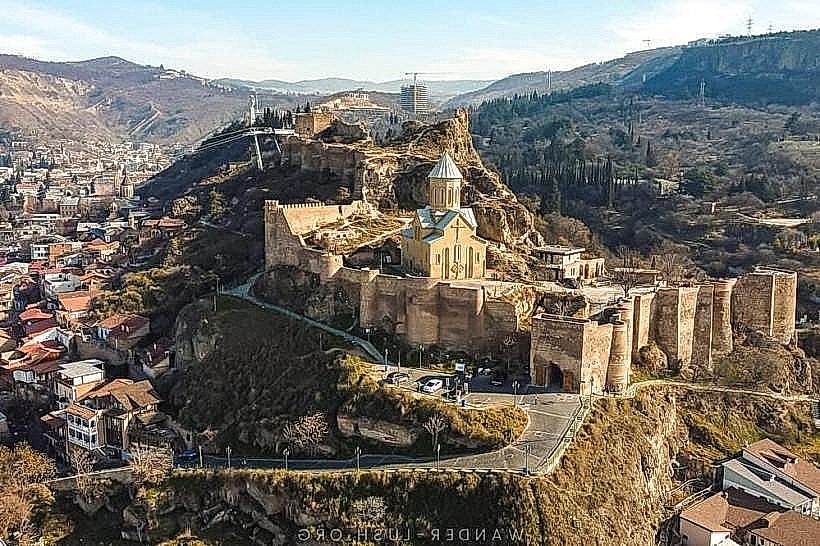
- Narikala Fortress (0.2km North)
- Tbilisi Botanical Garden (0.4km Northwest)
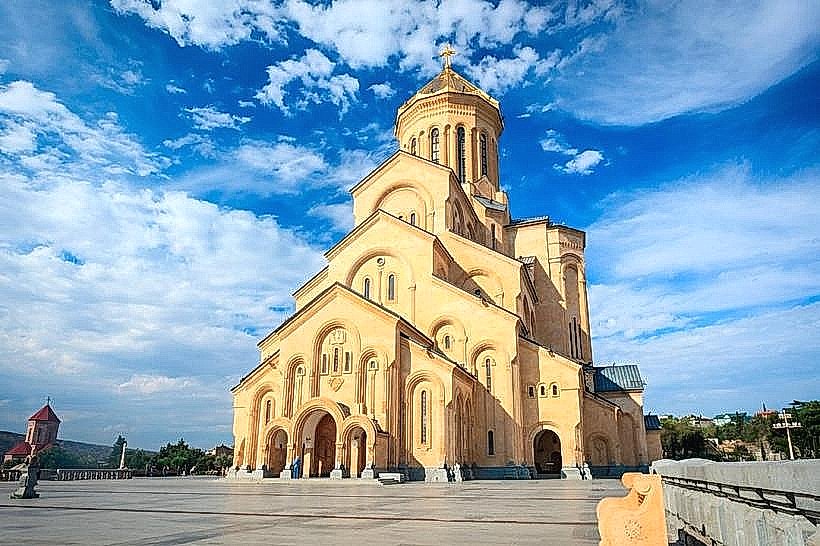
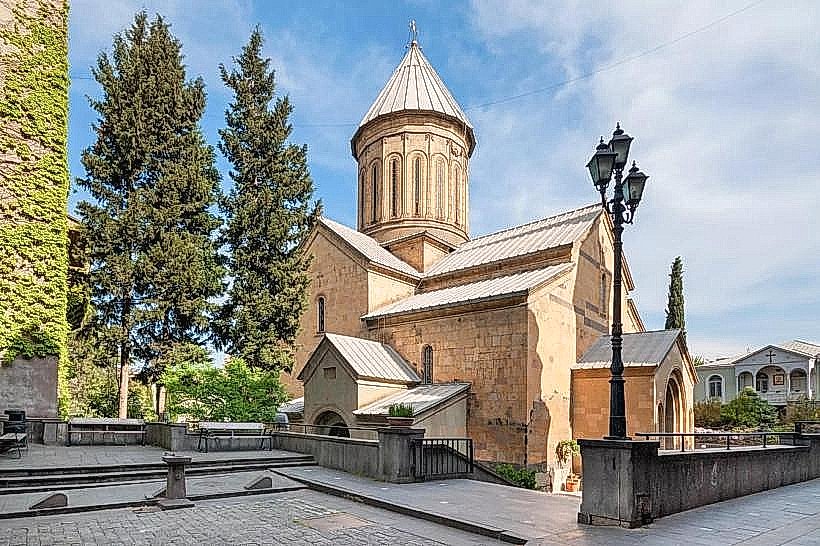
- Sioni Cathedral (0.6km Northeast)
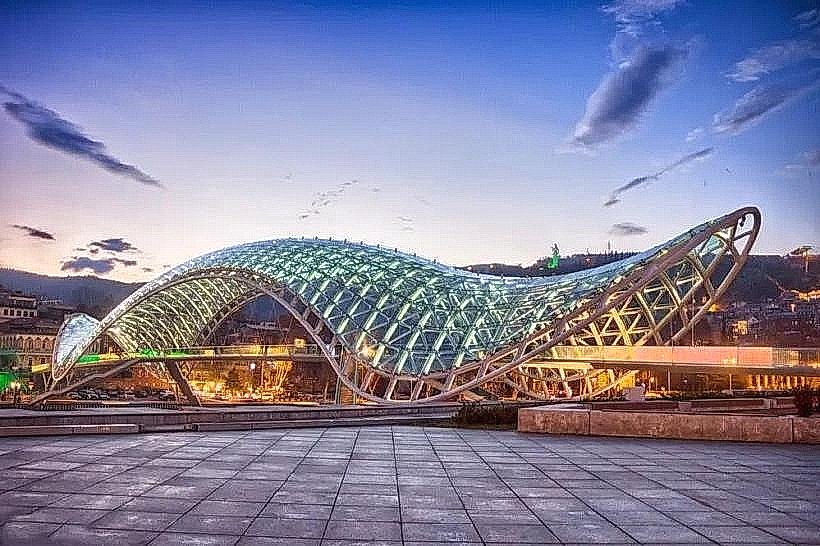
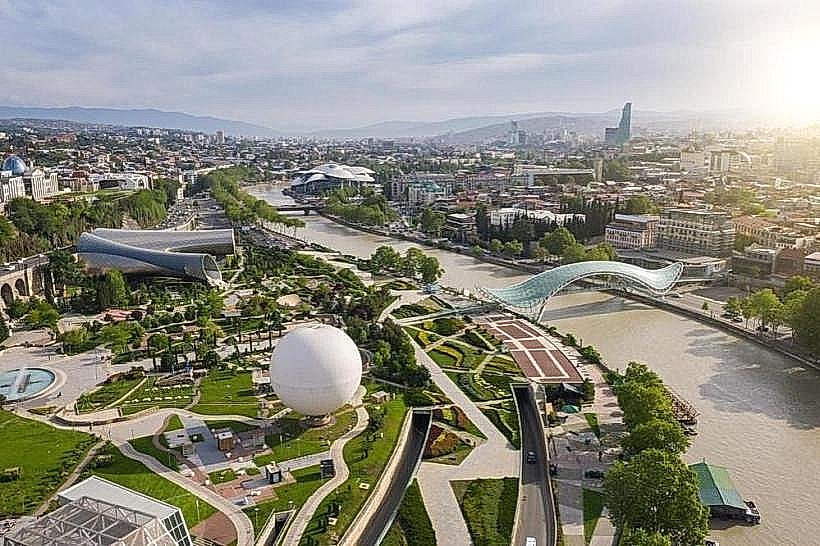
- Bridge of Peace (0.7km East)
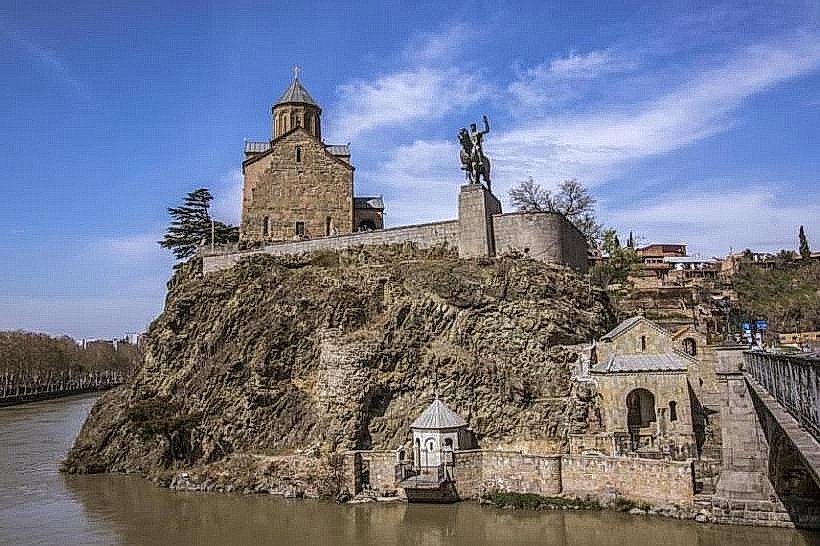
- Metekhi Church (0.8km East)