Information
Landmark: National History MuseumCity: Tirana
Country: Albania
Continent: Europe
National History Museum, Tirana, Albania, Europe
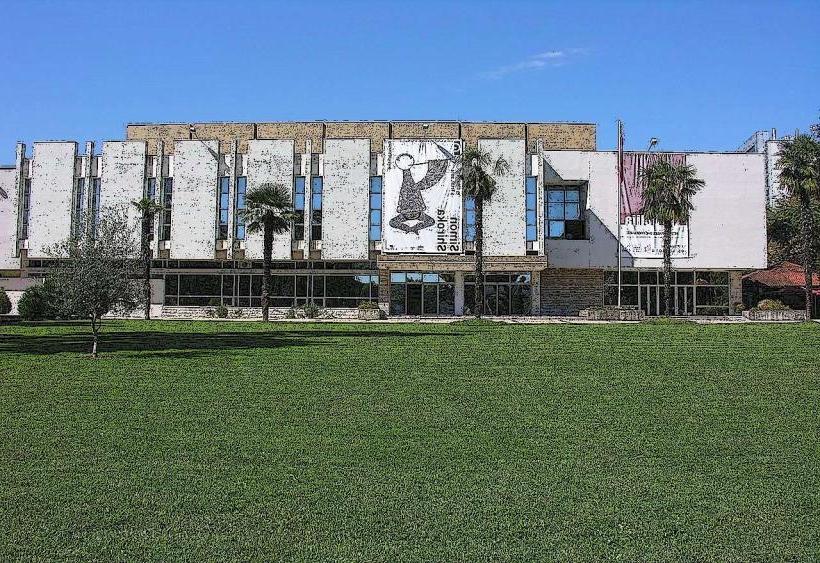
The National Historical Museum is the largest museum in Albania, located on the northern side of Skanderbeg Square in central Tirana. It serves as the primary repository for the nation's archaeological and historical artifacts, housing eight distinct pavilions spanning from antiquity to the post-communist era.
Visual Characteristics
The museum is a massive socialist-realist structure characterized by its white stone facade and a monumental mosaic titled "The Albanians" (Shqiptarët) above the entrance. The mosaic measures 40 by 10 meters and depicts thirteen figures representing various stages of Albanian history from the Illyrians to the partisan fighters. The interior is organized around a central atrium with wide marble halls and high ceilings designed to accommodate large-scale exhibits and archaeological ruins.
Location & Access Logistics
The museum is situated at Rruga Sheshi Skënderbej 7, occupying the entire northern block of the central square. It is accessible by all city bus lines that pass through the "Qendër" (Center) hub. While the square is pedestrianized, the underground Skanderbeg Square parking garage is located less than 100 meters away. Pedestrian access is via the main plaza, and the entrance is positioned directly beneath the central mosaic.
Historical & Ecological Origin
The museum was designed by a group of architects including Enver Faja and Nina Shehu, and it was officially inaugurated on October 28, 1981. It was constructed on the former site of the Tirana Town Hall as part of the communist-era master plan to centralize national cultural institutions. The building underwent significant renovations following the fall of the regime in 1991 to reorganize pavilions related to modern history.
Key Highlights & Activities
Visitors can follow a chronological path starting with the Pavilion of Antiquity, which features the "Goddess of Butrint" and Illyrian artifacts. Key activities include viewing the collection of icons by the master painter Onufri in the Iconography Pavilion and visiting the Pavilion of Communist Terror, which documents the victims of the former regime. Photography is generally permitted in the main halls but may be restricted in specific sensitive galleries.
Infrastructure & Amenities
The facility includes public restrooms, a bookstore, and a small cloakroom near the ticket office. The building is equipped with basic elevators for accessibility, and natural shade is available in the colonnaded porch area. 5G cell signal is strong throughout the complex. Numerous cafes and fast-food vendors are located in the adjacent buildings on either side of the museum.
Best Time to Visit
The best time for photography of the external mosaic is during the early morning hours (08:00–10:00) when the sun provides direct, even lighting on the northern facade. To avoid large school groups and tours, mid-afternoon (14:00–16:00) on weekdays is recommended. The museum is typically closed on Mondays, which is a standard policy for national cultural institutions in Albania.
Facts & Legends
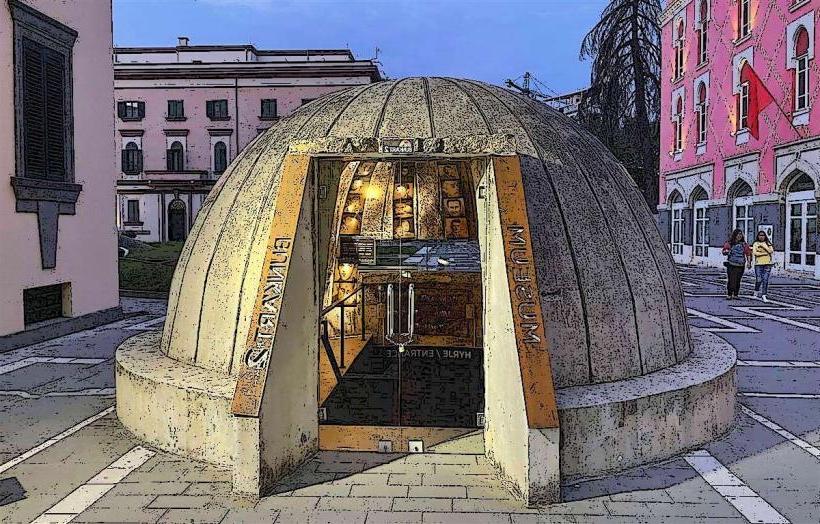
A verified historical oddity is the "Sword of Skanderbeg" exhibit; while the original 15th-century sword is housed in the Kunsthistorisches Museum in Vienna, the National Historical Museum displays a high-fidelity replica that serves as a central symbol of Albanian national identity. A local "secret" is the museum’s basement, which was originally designed with reinforced concrete to serve as a high-capacity air-raid shelter for government officials.
Nearby Landmarks
Skanderbeg Square: 0.05km South
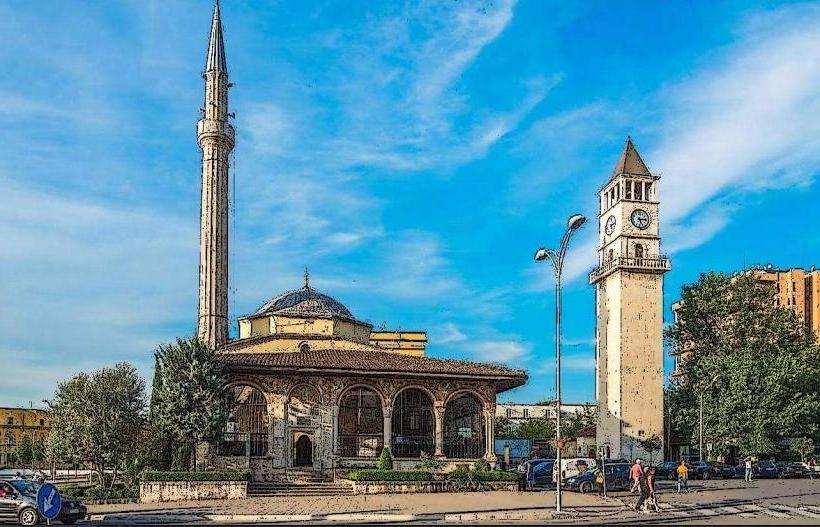
Et'hem Bey Mosque: 0.15km Southeast
Clock Tower: 0.18km Southeast
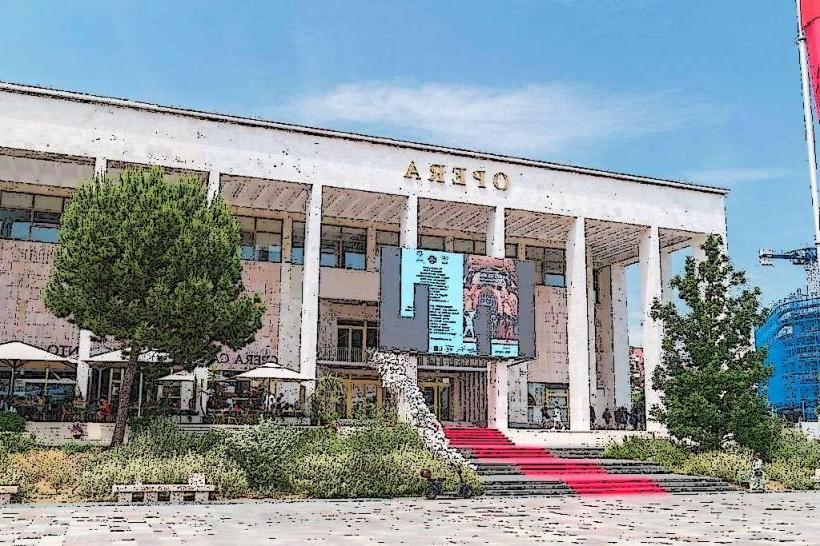
Palace of Culture: 0.1km East
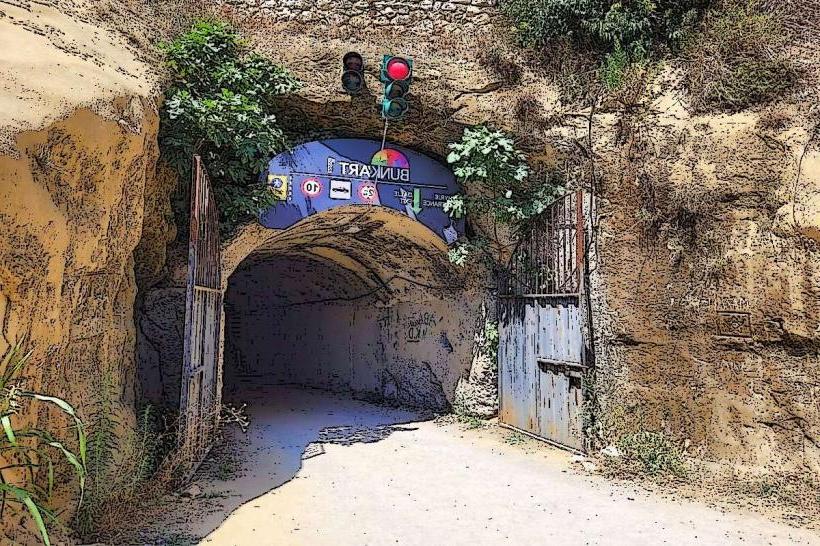
Bunk’Art 2: 0.3km Southeast