Landmark: Tirana Castle
City: Tirana
Country: Albania
Continent: Europe
Tirana Castle, Tirana, Albania, Europe
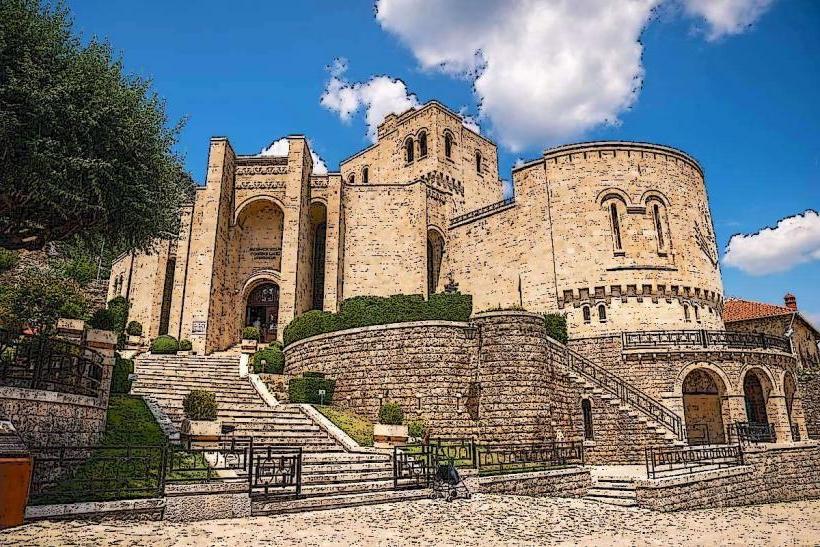
Tirana Castle, also known as the Fortress of Justinian, is a Byzantine-era fortification located at the intersection of the city's main administrative and cultural axes. It represents one of the few remaining archaeological sites of the medieval period within the capital's urban core.
Visual Characteristics
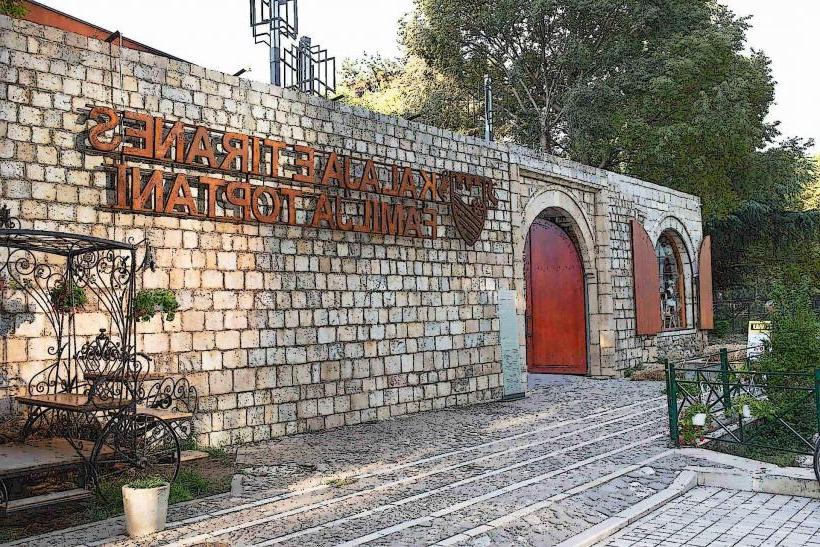
The site is defined by a 6-meter-high Ottoman-era stone wall that encloses a rectangular area. The masonry consists of rough-hewn river stones and brick layers held together by thick mortar. Today, the interior has been repurposed into a pedestrian bazaar featuring modern steel and glass structures integrated into the historical perimeter, with cobble-paved walkways and open-air seating areas.
Location & Access Logistics
The castle is located on Shëtitores Murat Toptani, approximately 0.2km east of Skanderbeg Square. It is a pedestrian-only zone, accessible on foot from the Parliament of Albania or the Toptani Shopping Center. The nearest public transport hub is the "Qendra" bus station. Underground parking is available at the adjacent Toptani Mall or the Skanderbeg Square parking garage.
Historical & Ecological Origin
The fortress's foundations date back to the 6th century AD during the reign of Byzantine Emperor Justinian I. It was later reinforced by the Toptani family in the 18th century to serve as a military garrison and administrative seat. The walls currently visible are primarily remnants of the Ottoman reconstruction period.
Key Highlights & Activities
The interior serves as a commercial and culinary hub where visitors can access traditional Albanian craft shops and high-end restaurants. The promenade along the walls is used for public art installations and seasonal markets. Historical exploration is limited to the exterior wall structures and the northern gate.
Infrastructure & Amenities
The site is fully equipped with public restrooms, 5G cellular coverage, and extensive shaded seating provided by both the walls and commercial umbrellas. The area is wheelchair accessible via flat cobblestone paths. Numerous food and beverage vendors operate within the enclosure daily.
Best Time to Visit
The castle is most active between 10:00 and 23:00. For architectural photography, the morning hours provide the best light on the northern fortifications. The evening is preferred for logistical convenience, as the site is fully illuminated and the temperature is cooler for outdoor dining.
Facts & Legends
Local tradition holds that the castle was once part of a larger defensive system that included secret underground passages leading to the Dajti mountains, though no archaeological evidence supports a tunnel of that length. It is also documented that the fortress once housed the first administrative offices of the newly declared capital of Albania in 1920.
Nearby Landmarks
Toptani Shopping Center: 0.1km North
National Parliament of Albania: 0.05km East
Academy of Sciences: 0.15km Northwest
Murat Toptani Pedestrian Street: 0.01km West
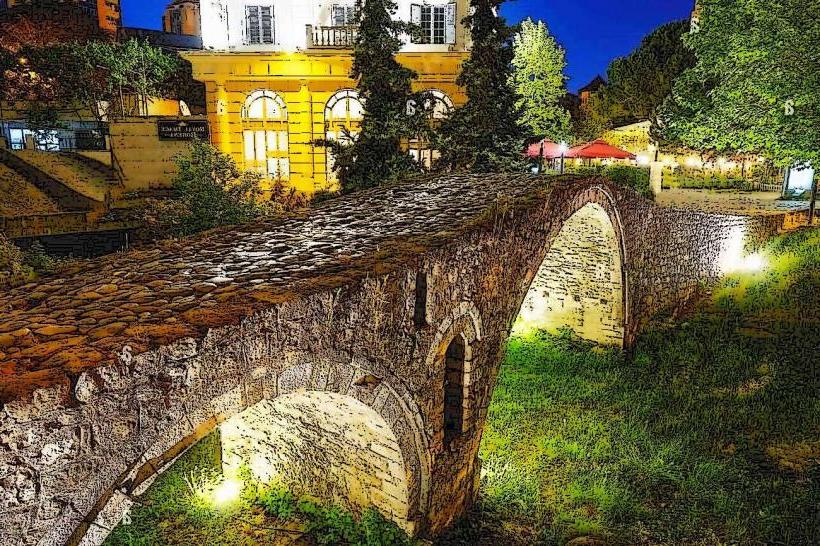
Tanner's Bridge: 0.4km Southeast