Landmark: Natural History Museum
City: Mdina
Country: Malta
Continent: Europe
Natural History Museum, Mdina, Malta, Europe
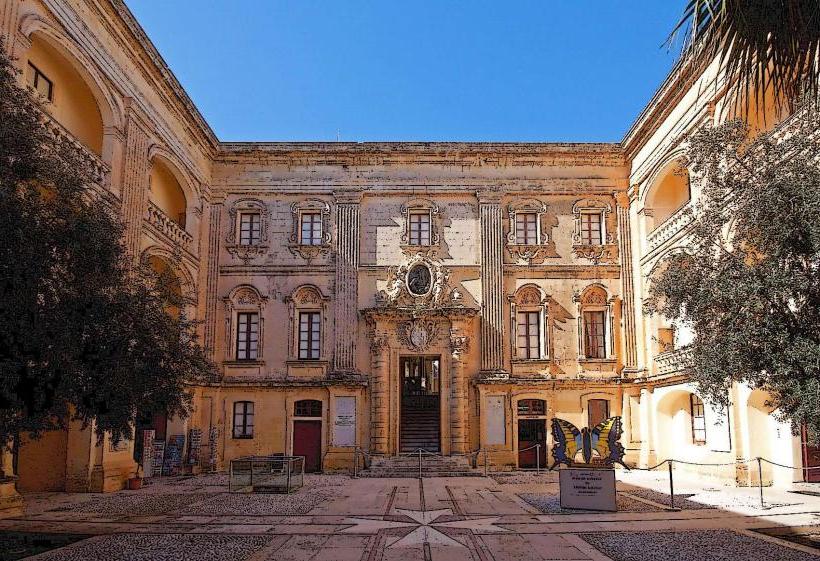
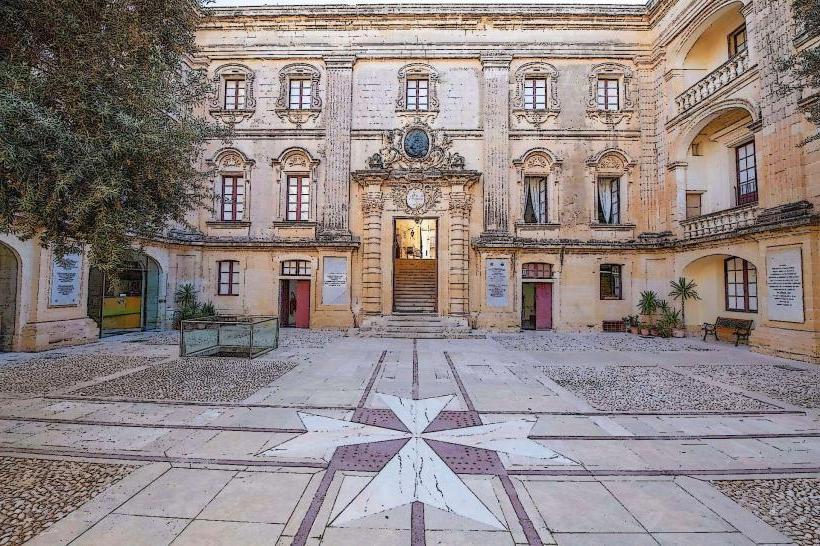
The Natural History Museum is located within Palazzo Vilhena, an 18th-century French Baroque palace situated in the fortified city of Mdina, Malta. It houses collections focused on the geology, paleontology, entomology, and ornithology of the Maltese Islands.
Visual Characteristics
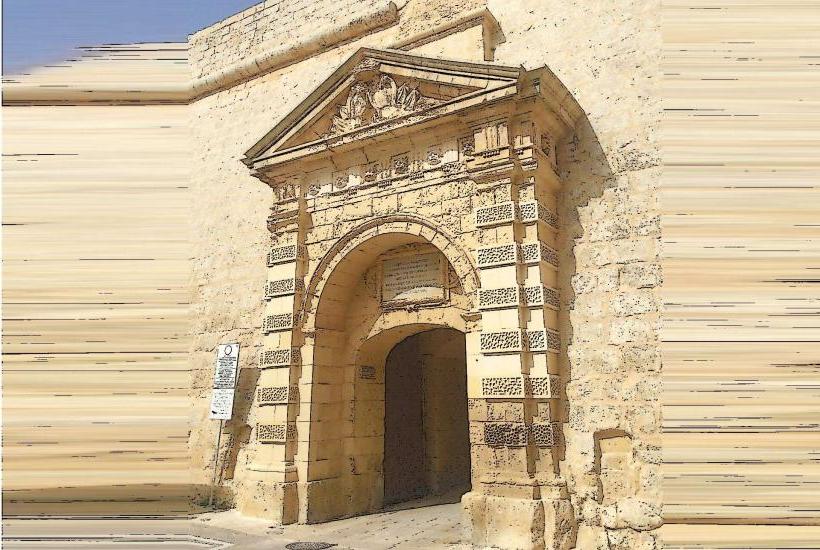
The museum is housed within Palazzo Vilhena, a prominent example of French Baroque architecture. The building features a symmetrical facade constructed from local globigerina limestone, presenting a light ochre color. It includes a grand entrance portal, an internal courtyard, and a series of high-ceilinged exhibition rooms. The structure stands two stories high, with a distinct formal layout typical of its period.
Location & Access Logistics
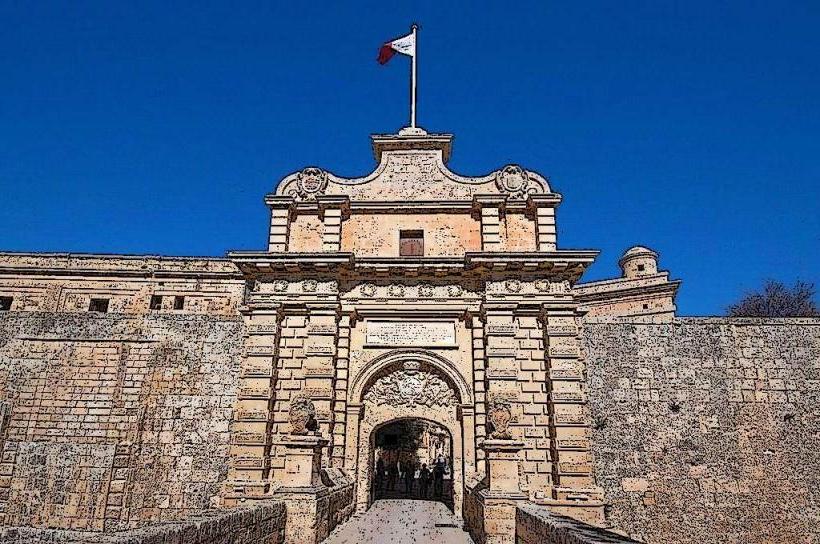
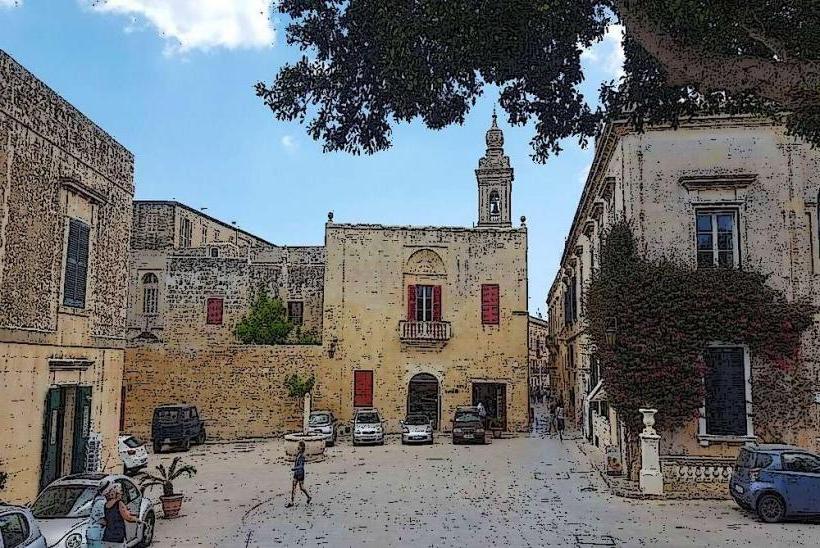
The Natural History Museum is located on Pjazza San Publiju within the pedestrian-only city of Mdina. Access by private vehicle is restricted to the city gates; visitors must park outside the main gate, such as at the Mdina Ditch Parking area, and proceed on foot. Public transport is available via bus routes 51, 52, and 53 from Valletta, which stop at the Mdina Gate, approximately 200 meters from the museum entrance.
Historical & Ecological Origin
The building housing the museum, Palazzo Vilhena, was constructed between 1726 and 1729. It was commissioned by Grand Master António Manoel de Vilhena and designed by the French architect Charles François de Mondion. Its original purpose was to serve as the official residence for the Grand Master within Mdina. The museum itself was established in 1973, consolidating various natural history collections.
Key Highlights & Activities
Visitors can examine extensive fossil collections, including those of dwarf elephants and hippos specific to Malta. The museum features detailed displays of local insects and arachnids, alongside a comprehensive collection of Maltese bird specimens. Geological exhibits explain the formation and composition of the Maltese archipelago. Educational programs and guided tours are available upon request.
Infrastructure & Amenities
Restrooms are available on-site within the museum building. The interior of the palace offers shade from direct sunlight. Cell phone signal, including 4G and 5G, is generally accessible throughout the museum and surrounding Mdina area. Several cafes and restaurants are located within a 5-minute walk from the museum entrance.
Best Time to Visit
The museum is best visited during the cooler months, from October to May, to avoid the summer heat when exploring Mdina. Morning hours, specifically between 9:00 and 11:00, typically offer fewer crowds. Photography inside is permitted without flash, and natural light conditions are generally consistent throughout opening hours.
Facts & Legends
The museum's collection includes a significant number of fossilized remains from Ice Age megafauna, such as dwarf elephants and hippos, which provide evidence of Malta's past land bridge connections to Sicily and North Africa. A local anecdote suggests that Palazzo Vilhena contains a network of secret passages, though these are not publicly accessible or verified for historical use.
Nearby Landmarks
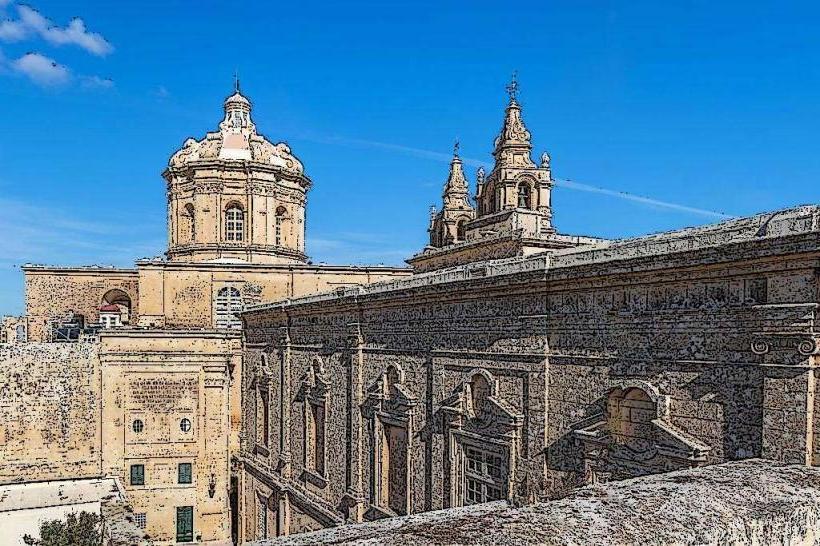
- St. Paul's Cathedral: 0.1km East
- Palazzo Falson Historic House Museum: 0.05km North-West
- Carmelite Priory Museum: 0.15km North
- Mdina Gate: 0.2km South
- Domus Romana (Roman Villa): 0.3km South-East