Landmark: Vilhena Palace
City: Mdina
Country: Malta
Continent: Europe
Vilhena Palace, Mdina, Malta, Europe
Vilhena Palace is an 18th-century Baroque palace located in the fortified city of Mdina, Malta. It currently houses the National Museum of Natural History.
Visual Characteristics
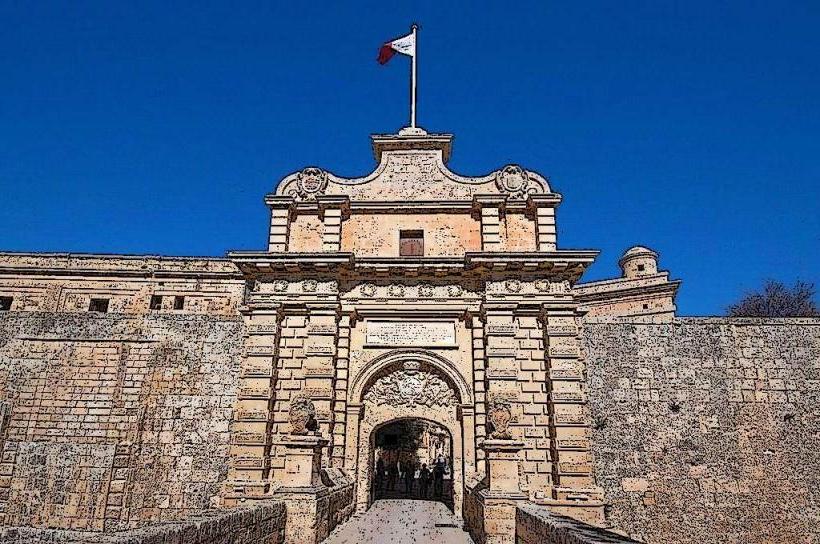
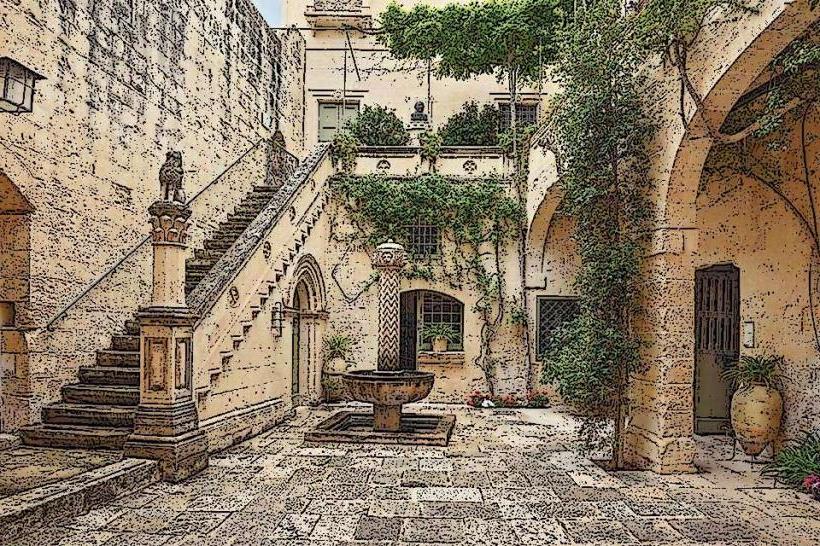
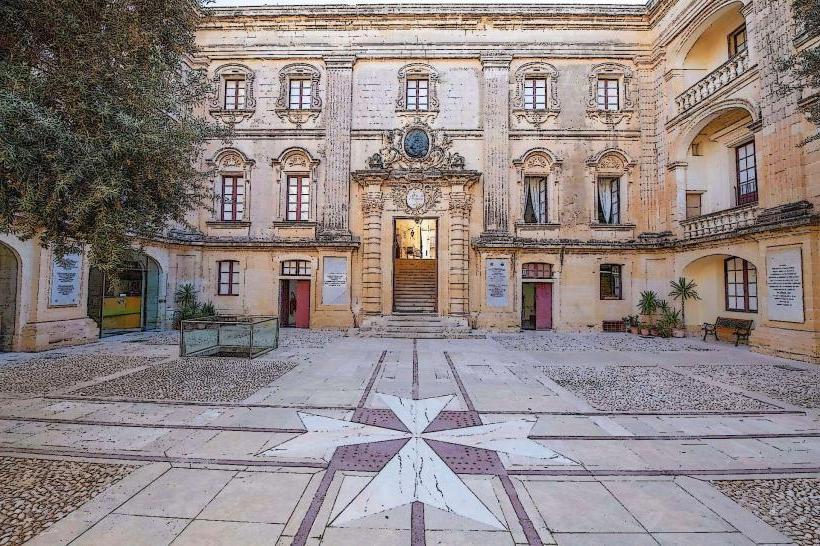
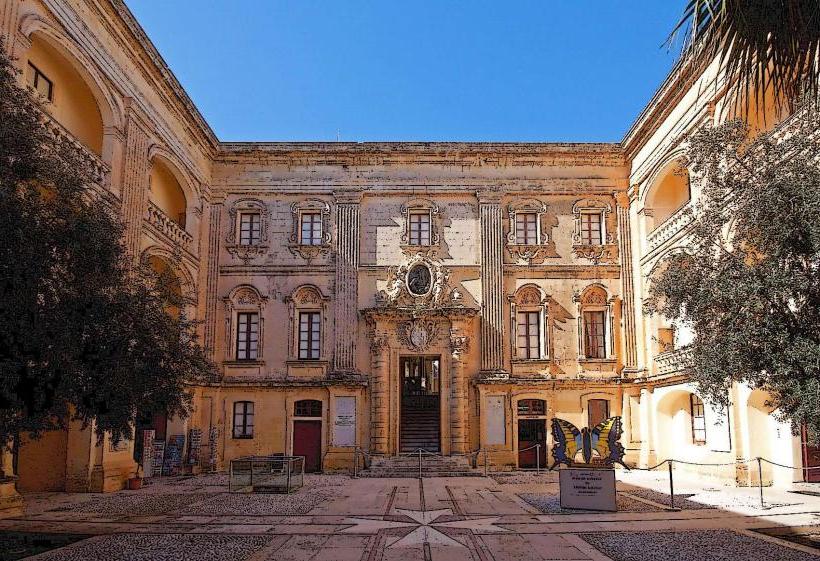
The palace exhibits a French Baroque architectural style, constructed primarily from local globigerina limestone, giving it a pale yellow to ochre hue. It features a grand, symmetrical facade with a central portico and a prominent main entrance. The structure is two stories high, encompassing a large internal courtyard. Its design includes ornate window surrounds and decorative elements characteristic of the Baroque period.
Location & Access Logistics
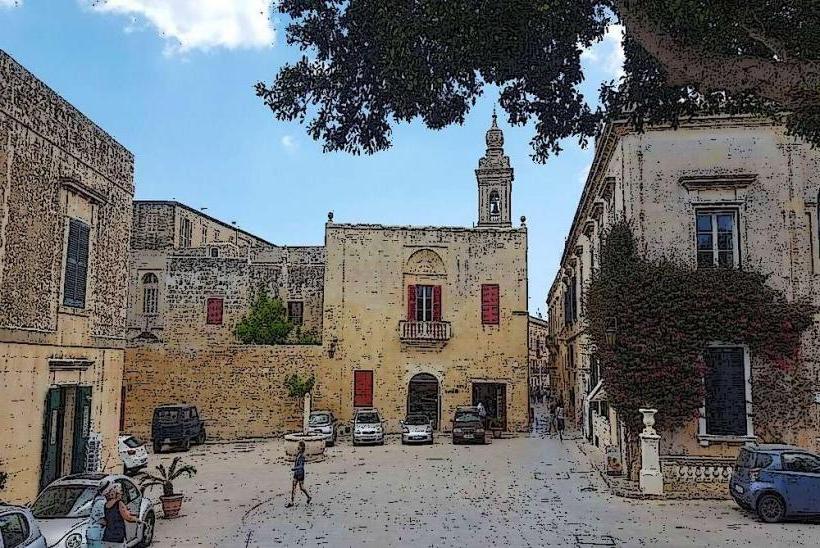
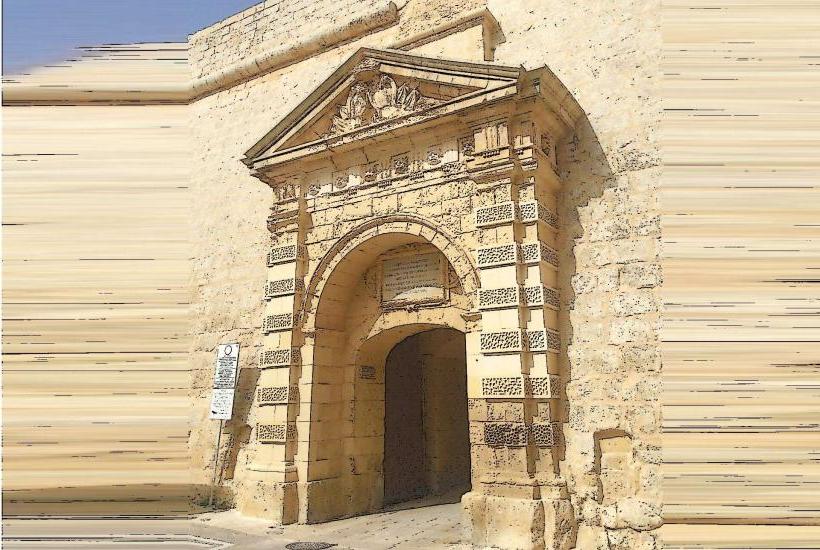
Vilhena Palace is situated at Pjazza San Publiju within the pedestrian-only city of Mdina. Vehicular access into Mdina is restricted to residents. Visitors typically park outside the city walls. A large public car park is available adjacent to Mdina Gate. Public transport options include several bus routes (e.g., 51, 52, 53, 56, 181, 182, 186, 201, 202, 203, 209, X3) that stop at the Rabat Interchange, approximately 200 meters from Mdina Gate, requiring a short walk to the palace entrance.
Historical & Ecological Origin
Construction of Vilhena Palace commenced in 1726 and was completed in 1729. The architect responsible for its design was Charles François de Mondion. The palace was commissioned by Grand Master António Manoel de Vilhena to serve as his official residence in Mdina, replacing the medieval Palazzo della Castellania.
Key Highlights & Activities
Visitors can explore the palace's Baroque architecture and its internal courtyard. The palace houses the National Museum of Natural History, offering exhibits on geology, paleontology, entomology, and ornithology. Specific displays include a collection of Maltese fossils and a section dedicated to local bird species.
Infrastructure & Amenities
Restroom facilities are available inside the museum. The palace structure and its internal courtyard provide areas of shade. Cell phone signal, including 4G and 5G, is generally reliable within Mdina. Several cafes and restaurants are located within a short walking distance from the palace.
Best Time to Visit
The most favorable months for visiting are April to June and September to October, due to mild weather conditions. For photography and to avoid peak crowds, visiting in the morning between 9:00 AM and 11:00 AM is recommended. The softer light during these hours is also beneficial for capturing the palace's exterior and courtyard details.
Facts & Legends
A historical oddity of Vilhena Palace is its temporary conversion into a hospital during the 19th century, followed by its use as a sanatorium. A specific tip for visitors is to observe the intricate carvings and the coat of arms of Grand Master Vilhena prominently displayed above the main entrance, which signify its original purpose and patron.
Nearby Landmarks
- Mdina Gate: 0.1km South
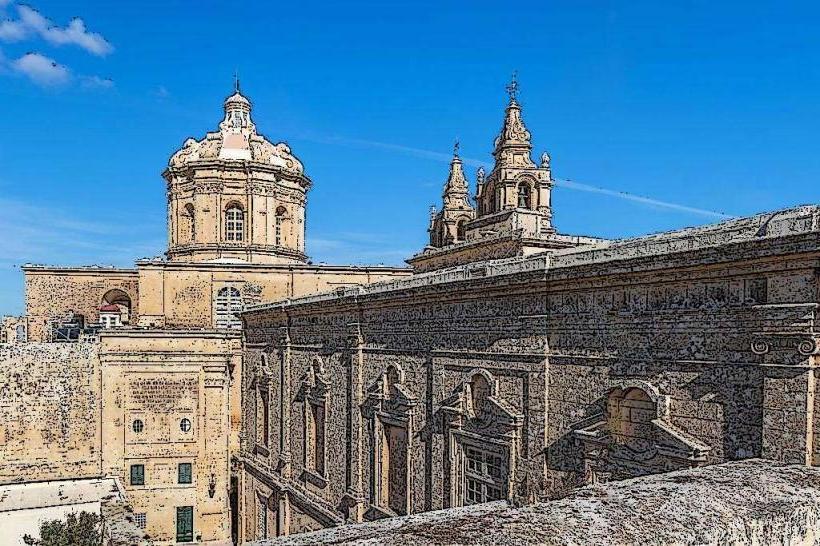
- St. Paul's Cathedral: 0.1km East
- Palazzo Falson Historic House Museum: 0.15km East
- Domus Romana (Roman Villa): 0.5km South-East
- St. Paul's Catacombs: 0.7km South-East