Landmark: Neelkanth Mahadev Temple
City: Rishikesh
Country: India
Continent: Asia
Neelkanth Mahadev Temple, Rishikesh, India, Asia
The Neelkanth Mahadev Temple is a Hindu temple dedicated to Lord Shiva, situated in the Pauri Garhwal district of Uttarakhand, India.
It is located approximately 32 kilometers from Rishikesh, at an elevation of 1,300 meters above sea level.
Visual Characteristics
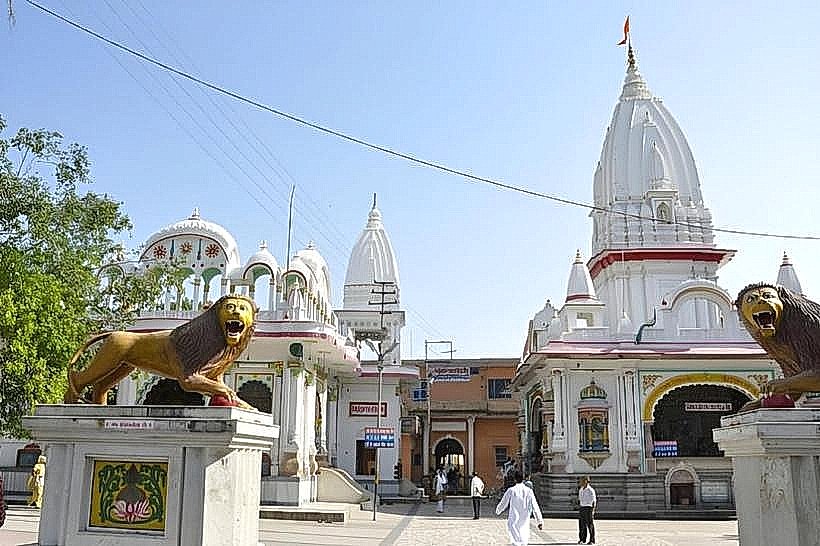
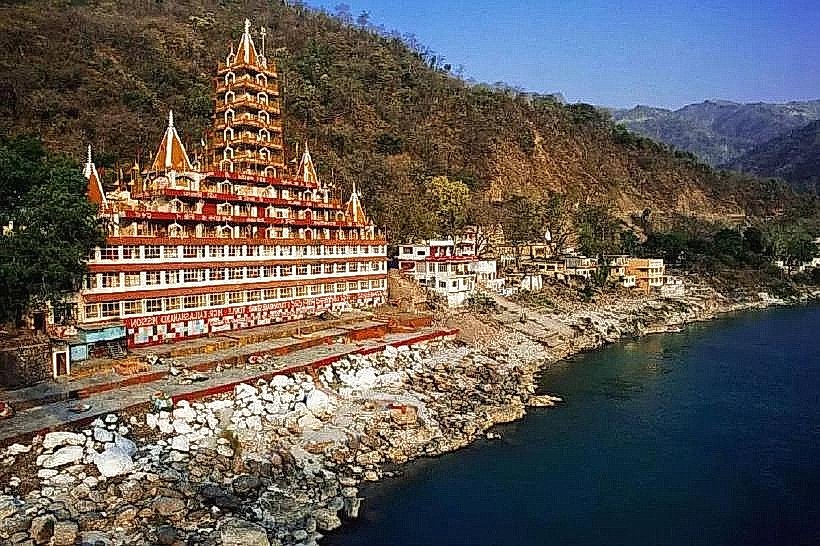
The temple complex is constructed primarily from stone. The main temple structure features a conical roof and is adorned with intricate carvings depicting various Hindu deities and mythological scenes. A prominent feature is the large statue of Lord Shiva in a meditative pose. The surrounding area is characterized by dense forestation.
Location & Access Logistics
Access to the temple is via the Rishikesh-Badrinath Highway (NH7). The turn-off for the temple is approximately 20 kilometers from Rishikesh. The final 12 kilometers are on a narrow, winding road. Private vehicles and taxis are the primary modes of transport. Limited parking is available at the temple site. Public bus services from Rishikesh reach the nearest town, Margh, from where local transport or a walk is required.
Historical & Ecological Origin
The temple's origin is rooted in Hindu mythology, specifically the story of Shiva consuming poison during the Samudra Manthan. The current structure is believed to have been built in the 12th century, though the site holds ancient significance. The temple is situated within the Rajaji National Park, a protected forest area.
Key Highlights & Activities
Visitors can observe the temple's architecture and carvings. Circumambulation (Parikrama) of the temple is a common practice. Devotees participate in prayer rituals. The natural surroundings offer opportunities for quiet contemplation.
Infrastructure & Amenities
Basic restroom facilities are available within the temple complex. Small food stalls and vendors operate near the temple entrance, offering snacks and beverages. Cell phone signal is intermittent. Shade is provided by the temple structure and surrounding trees.
Best Time to Visit
The best time of day for photography is generally in the morning or late afternoon when the light is softer. The months of March to June and September to November offer pleasant weather conditions, avoiding the monsoon rains and extreme winter cold.
Facts & Legends
A local legend states that the water from the nearby natural spring, believed to be the source of the poison Shiva consumed, has medicinal properties. Visitors often collect this water. The temple is also known for its unique lingam, which is said to represent the throat of Shiva.
Nearby Landmarks
- 0.5km South-West: Triveni Ghat (Rishikesh)
- 2.0km North: Vashishta Gufa (Cave)
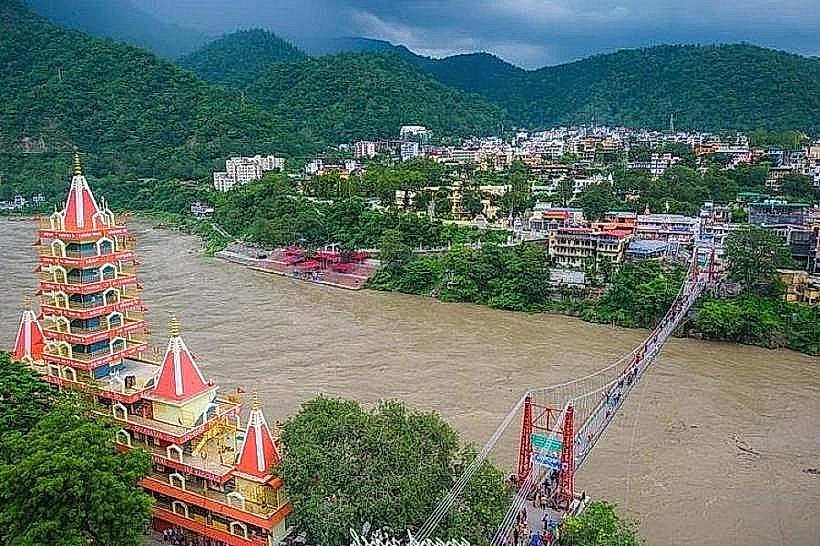
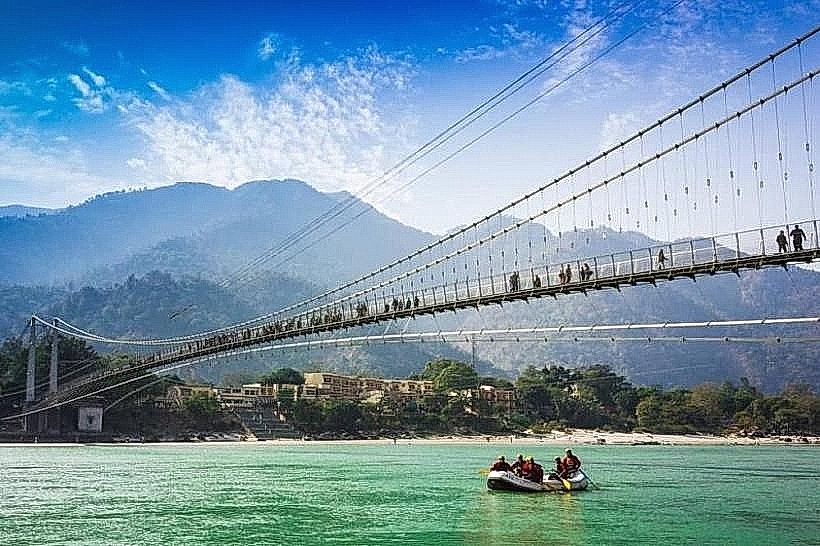
- 3.0km East: Lakshman Jhula (Rishikesh)
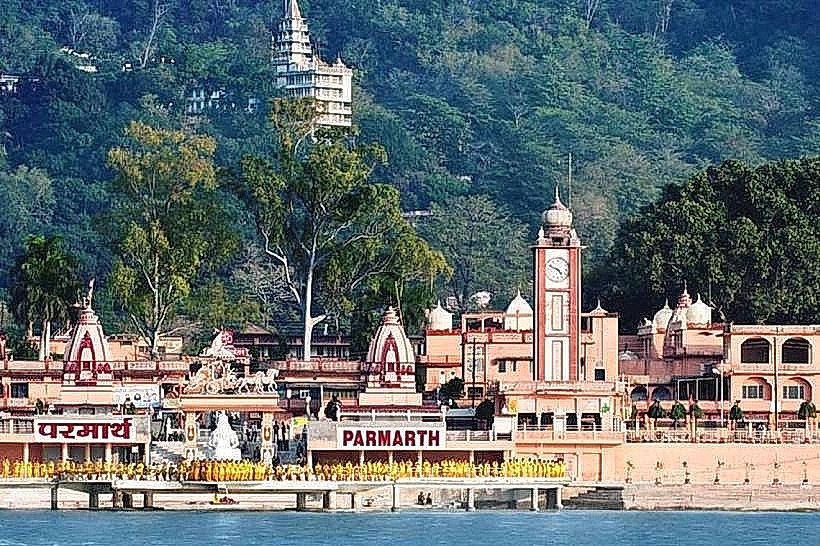
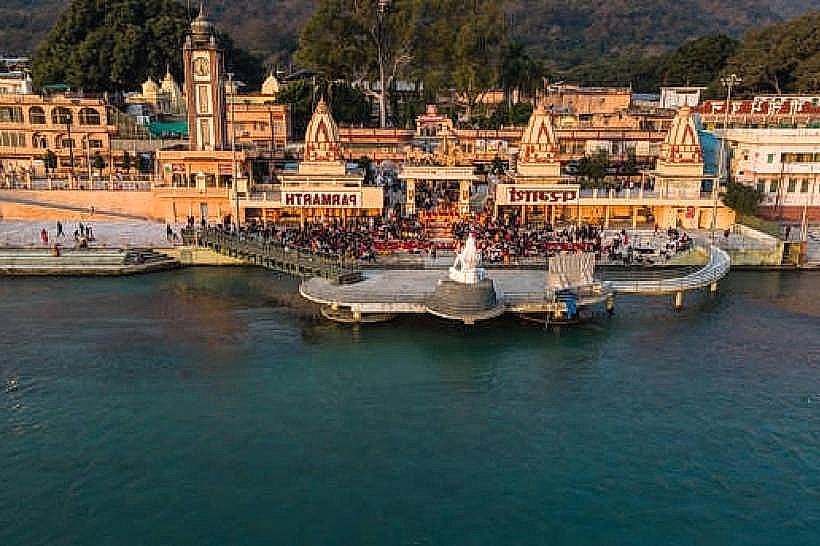
- 4.0km West: Parmarth Niketan Ashram (Rishikesh)