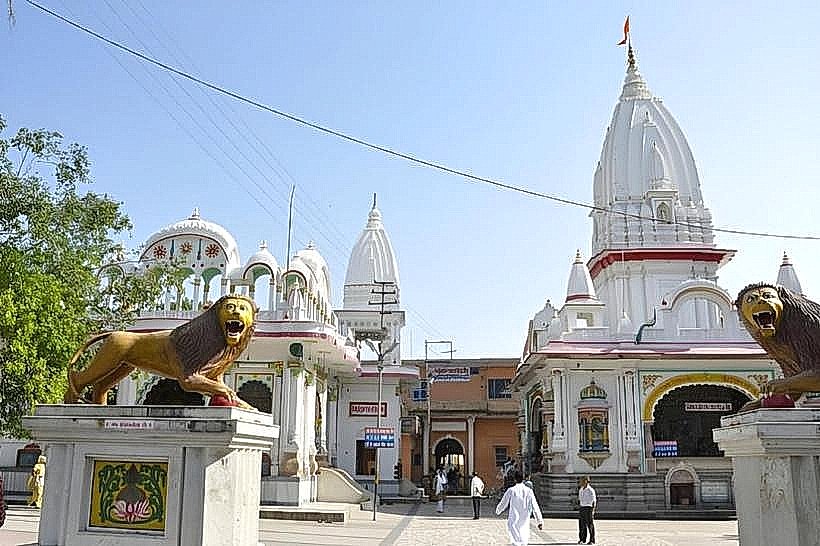
Landmark: Ram Jhula
City: Rishikesh
Country: India
Continent: Asia
Ram Jhula, Rishikesh, India, Asia
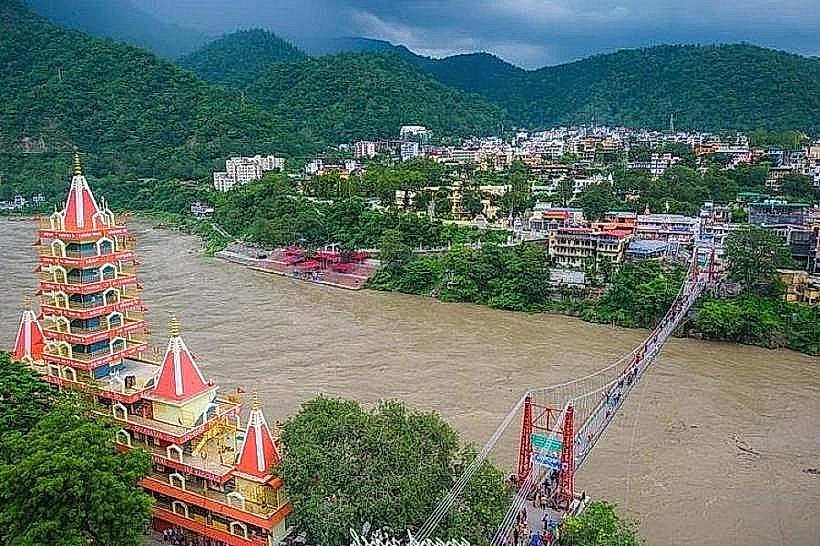
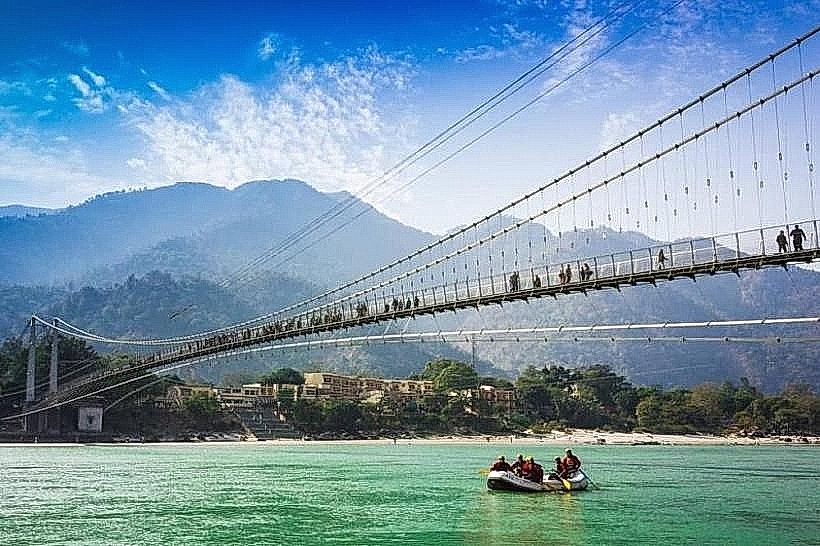
Ram Jhula is a pedestrian suspension bridge spanning the Ganges River in Rishikesh, India. It connects the Sivananda Nagar area on the east bank with the Swarg Ashram area on the west bank.
Visual Characteristics
The bridge is constructed from steel cables and wooden planks. It measures approximately 220 meters (720 feet) in length. The structure is painted in various colors, primarily red and white, with prayer flags often attached to its railings. The river below is typically a murky green or brown, depending on recent rainfall.
Location & Access Logistics
Ram Jhula is located approximately 3 kilometers (1.9 miles) north of the main Rishikesh town center. Access is via Swarg Ashram Road from the east bank or from the western side via paths leading from the Swarg Ashram area. Parking is available in designated lots near the bridge entrances, though it can be limited during peak hours. Local auto-rickshaws and taxis can reach the vicinity. No direct bus lines cross the bridge; passengers disembark and walk across.
Historical & Ecological Origin
Ram Jhula was constructed in 1980 by the Divine Life Society. Its purpose was to facilitate access for pilgrims and visitors to the ashrams and temples located on the western bank of the Ganges. The bridge is situated in a Himalayan foothills region, characterized by the flow of the Ganges River originating from the glaciers of the Himalayas.
Key Highlights & Activities
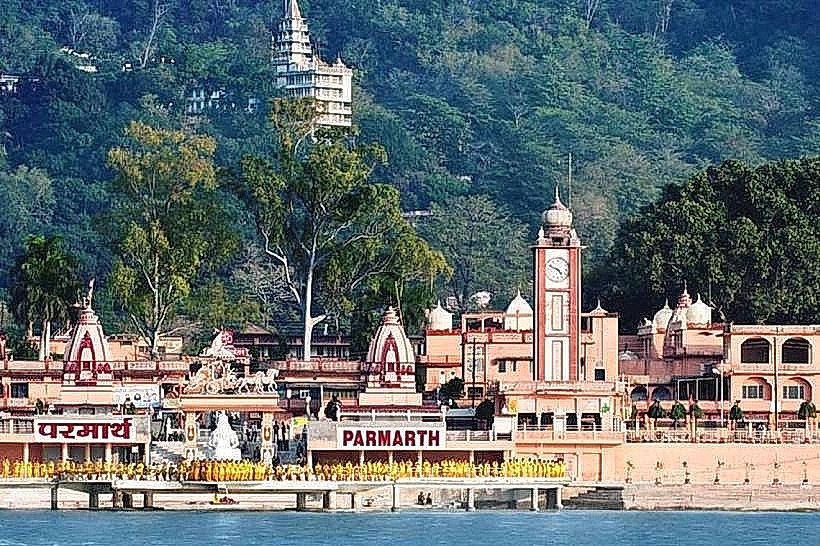
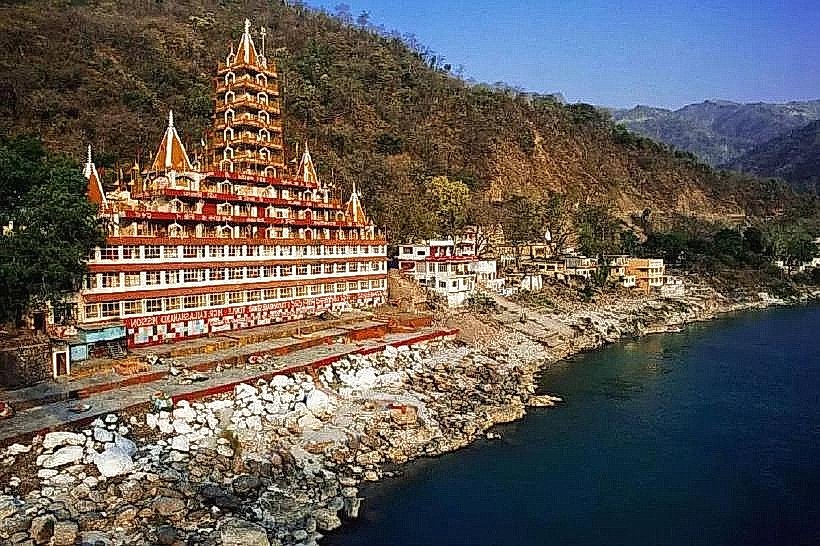
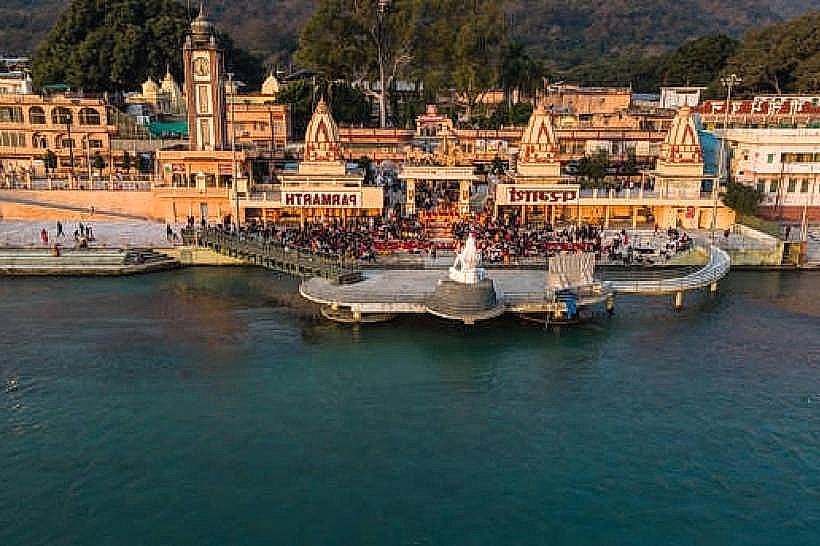
Pedestrian crossing of the bridge. Observation of the Ganges River flow. Photography of the surrounding ashrams and hills. Observation of local life and pilgrims. Access to ashrams and temples on the west bank, including the Parmarth Niketan Ashram.
Infrastructure & Amenities
Restrooms are available near the bridge entrances. Limited shade is provided by the bridge structure itself. Cell phone signal (4G/5G) is generally available. Small food vendors and shops are located at both ends of the bridge, offering snacks and beverages.
Best Time to Visit
For photography, early morning (6:00 AM - 8:00 AM) offers softer light and fewer crowds. Late afternoon (4:00 PM - 6:00 PM) also provides good lighting. The best months for weather are generally October through March, avoiding the monsoon season (July-September) and the intense heat of summer (April-June).
Facts & Legends
The bridge is named after Lord Rama, a central deity in Hinduism. Local belief suggests that crossing Ram Jhula is a spiritually purifying act. A specific tip for visitors is to be aware of the uneven wooden planks and to hold onto the railings, especially during windy conditions.
Nearby Landmarks
- Lakshman Jhula (1.5km North)
- Parmarth Niketan Ashram (0.1km West)
- Triveni Ghat (3.5km South)
- Geeta Bhawan (0.3km West)
- Swarg Ashram (0.2km West)