Landmark: Phang Nga Bay
City: Phuket
Country: Thailand
Continent: Asia
Phang Nga Bay, Phuket, Thailand, Asia
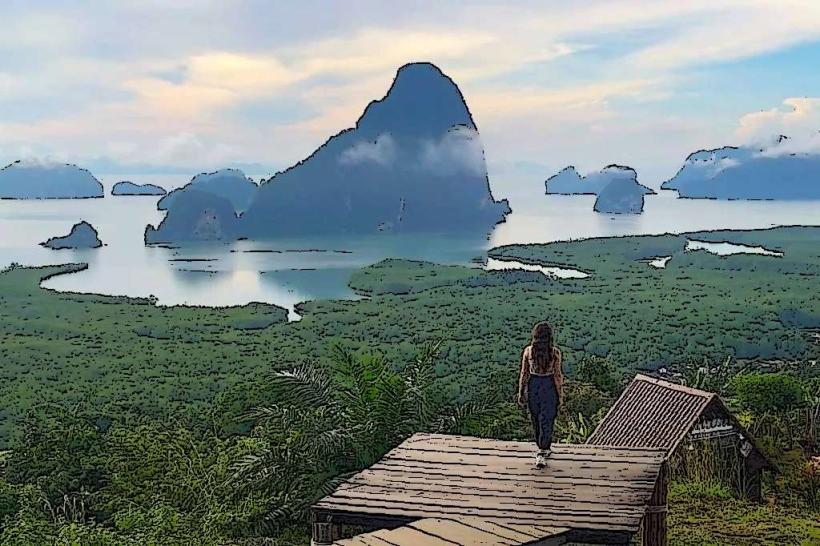
Phang Nga Bay is a marine national park located in the Andaman Sea, east of Phuket Island, Thailand.
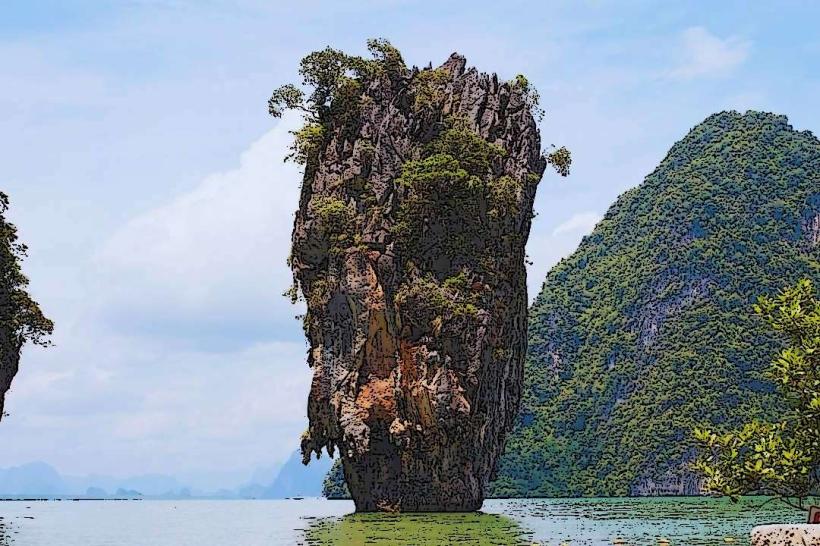
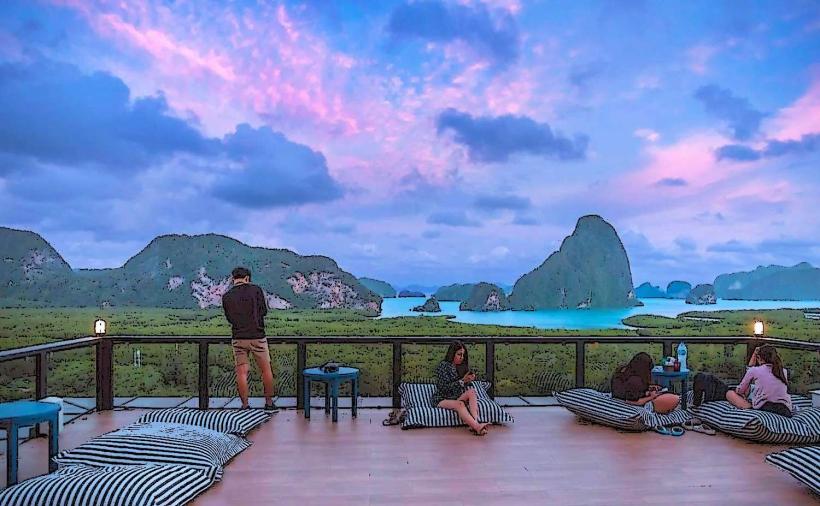
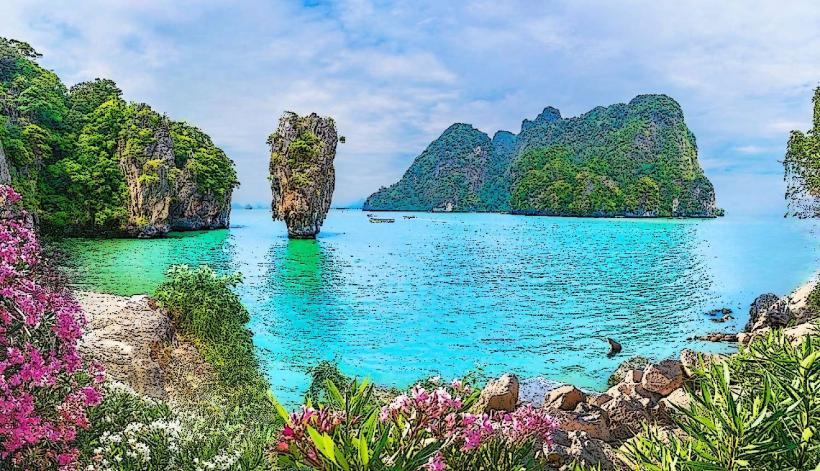
It is characterized by a series of limestone karst islands and rock formations rising vertically from the emerald-green water.
Visual Characteristics
The bay features approximately 42 islands, predominantly composed of limestone. These formations exhibit steep cliffs, caves, and sea stacks. The water color is typically a deep green, with some areas appearing turquoise. Vegetation on the islands is dense, consisting of tropical rainforest.
Location & Access Logistics
Phang Nga Bay is situated approximately 30 kilometers northeast of Phuket City. Access is primarily via boat from piers such as Ao Po Grand Marina, Laem Hin Pier, or Sarasin Bridge. Private boat charters and organized tours are available from Phuket, Krabi, and Khao Lak. Driving to the nearest access points involves taking Highway 402 towards Phang Nga province.
Historical & Ecological Origin
The karst formations in Phang Nga Bay are the result of geological processes occurring over millions of years, primarily the erosion of soluble limestone by rainwater and seawater. These formations are classified as a marine karst landscape. The bay is part of the Andaman Sea ecosystem.
Key Highlights & Activities
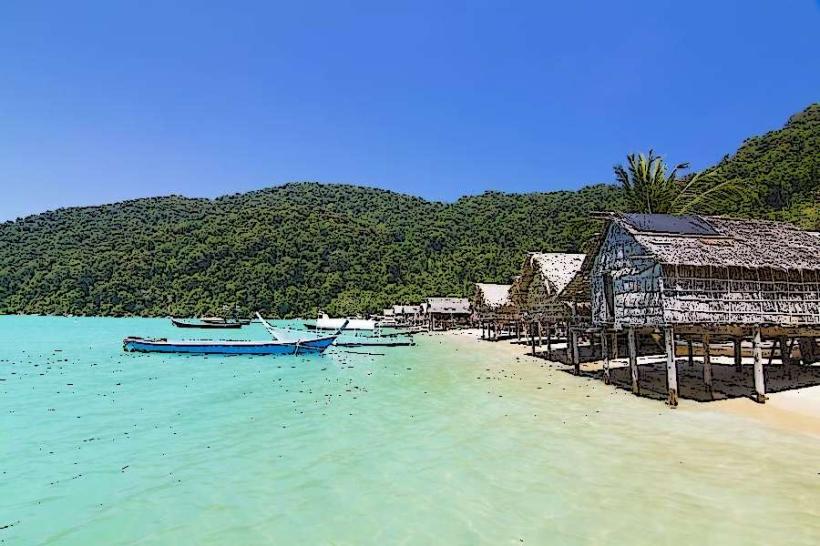
Activities include sea kayaking through caves and lagoons, exploring sea caves like the Diamond Cave and Bua Boke Cave, and visiting the James Bond Island (Khao Phing Kan). Boat tours often include stops at fishing villages such as Koh Panyee. Snorkeling is possible in designated areas, though visibility can vary.
Infrastructure & Amenities
Basic facilities, including restrooms and food vendors, are available at the main piers and on larger islands like Koh Panyee. Cell phone signal (4G/5G) is generally available in populated areas and on tour boats, but can be intermittent on smaller islands. Shade is provided by natural vegetation and some covered seating areas at piers.
Best Time to Visit
The dry season, from November to April, offers the most favorable weather conditions with calmer seas and clearer skies. The best time of day for photography is generally in the morning or late afternoon when the light is softer and the sun angle creates shadows on the karst formations. High tide is preferable for navigating through some of the sea caves and lagoons.
Facts & Legends
One of the most recognizable formations is Khao Phing Kan, famously featured in the James Bond film "The Man with the Golden Gun." The bay is also a significant breeding ground for various marine species, including dugongs, though sightings are rare.
Nearby Landmarks
- Koh Panyee (0.8km Southeast)
- James Bond Island (Khao Phing Kan) (1.5km West)
- Phang Nga National Park Headquarters (5km Northeast)
- Wat Suwan Kuha (Monkey Cave Temple) (8km Northwest)
- Samet Nangshe Viewpoint (10km Southwest)