Landmark: Popua Cultural Centre and Heritage Park
City: Nukualofa
Country: Tonga
Continent: Australia
Popua Cultural Centre and Heritage Park, Nukualofa, Tonga, Australia
Popua Cultural Centre and Heritage Park (also known as Popua Park and Vaepopua Heritage Site) is a public eco-park and archaeological area located along the Fangaʻuta Lagoon in the village of Popua. The site combines reclaimed wetlands, recreational grounds, and ancient Tongan earthworks on the eastern outskirts of Nukuʻalofa.
Visual Characteristics
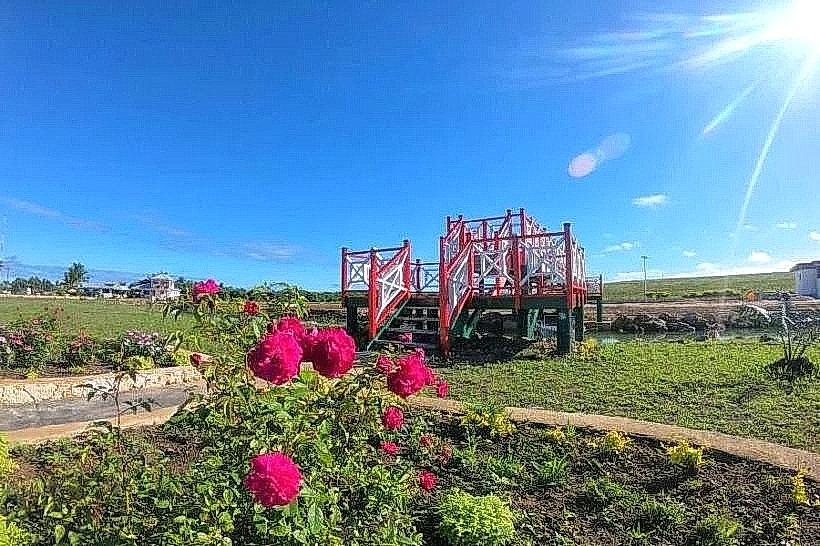
The landmark spans approximately 10 hectares consisting of manicured flower gardens, open grass fields, walking trails, and an artificial freshwater canal system connected to the lagoon. A prominent feature within the park is the ancient star-shaped earthwork mound (Sia Heu Lupe), constructed from layered soil and coral stone. Traditional thatch-roofed open-air wooden pavilions (fale) and modern recreational structures, including children's play equipment and sports courts, are dispersed along the crushed-coral footpaths.
Location & Access Logistics
The park is situated along Vuna Road in the village of Popua, approximately 3.6 kilometers east of downtown Nukuʻalofa. It lies directly adjacent to the coastal road facing the northern lagoon entrance. Visitors reach the site via taxi, private vehicle, or public minibuses operating along the eastern Vuna Road route from the central terminal on Salote Road. Free off-street parking is available at the main park entrance.
Historical & Ecological Origin
The site contains the ancient Sia Heu Lupe mounds, constructed around 500 to 600 years ago as elevated platforms used by Tongan royalty for the traditional chiefy sport of pigeon snaring. In the late 20th century, the low-lying area surrounding the mounds served as an unmanaged municipal rubbish dump. In 2006, the Tongan government, with development assistance from New Zealand Aid (NZAid), executed a major environmental remediation project to remove the landfill, restore the wetland ecology, and establish the present heritage park.
Key Highlights & Activities
Visitors can walk or jog along the networked trail system surrounding the gardens and canal. The ancient Sia Heu Lupe pigeon-snaring mounds offer insight into pre-European Tongan engineering and royal traditions. Additional activities include recreational kayaking and boating on the freshwater canal, picnicking on the shaded lawns, birdwatching, and utilizing the public volleyball courts and playground facilities.
Infrastructure & Amenities
The park features covered picnic tables, open-air wooden shelters, public benches, and a dedicated children's playground. Restroom facilities are located near the main entrance building. The surrounding open grounds provide direct access to natural shade beneath mature palms and tropical trees. Full 4G mobile signal coverage is available across the entire park area. Local convenience stalls selling beverages and snacks operate along Vuna Road near the park gates.
Best Time to Visit
Late afternoon provides optimal conditions for walking and photographing the lagoon views and garden trails while avoiding midday heat. The cooler dry season from May through October yields minimal rainfall and comfortable humidity levels for outdoor recreational activities. The park is open seven days a week, including Sundays.
Facts & Legends
British explorer Captain James Cook was the first European to document the Vaepopua mounds during his visit to Tongatapu in 1777. In Tongan tradition, pigeon snaring on the star-shaped Sia Heu Lupe was restricted exclusively to high chiefs (ʻeiki), who used trained decoy birds and handheld nets to capture wild Pacific pigeons (lupe) as a demonstration of status and tactical skill.
Nearby Landmarks
Nukunukumotu Island – 1.2km East
Ancient Tonga Cultural Centre – 1.8km Southwest
Interisland Ferry Terminal (Faua Wharf) – 2.5km West-Northwest
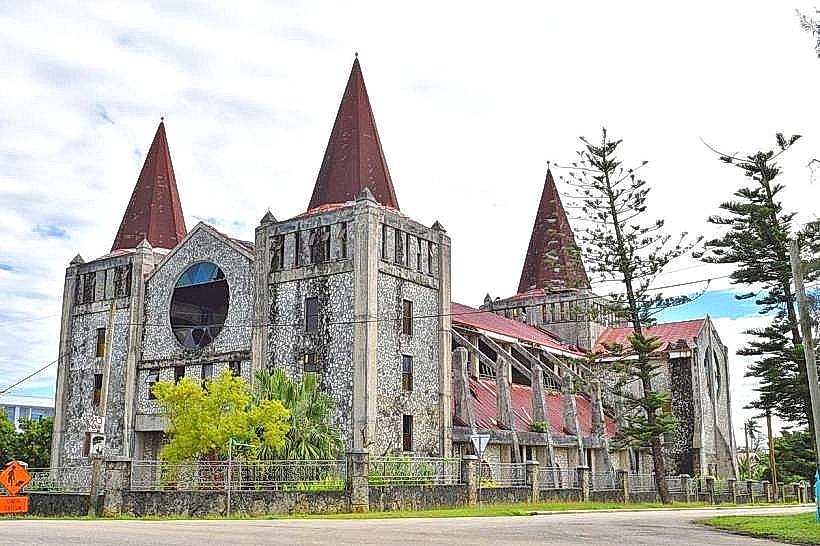
St. Mary's Cathedral – 2.8km West
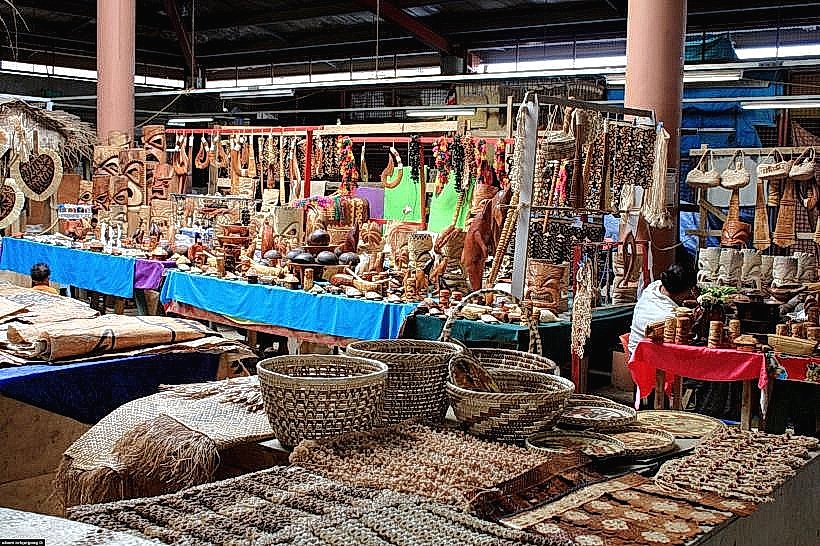
Talamahu Market – 3.6km West