Country: Tonga
Continent: Australia
Tonga, Australia
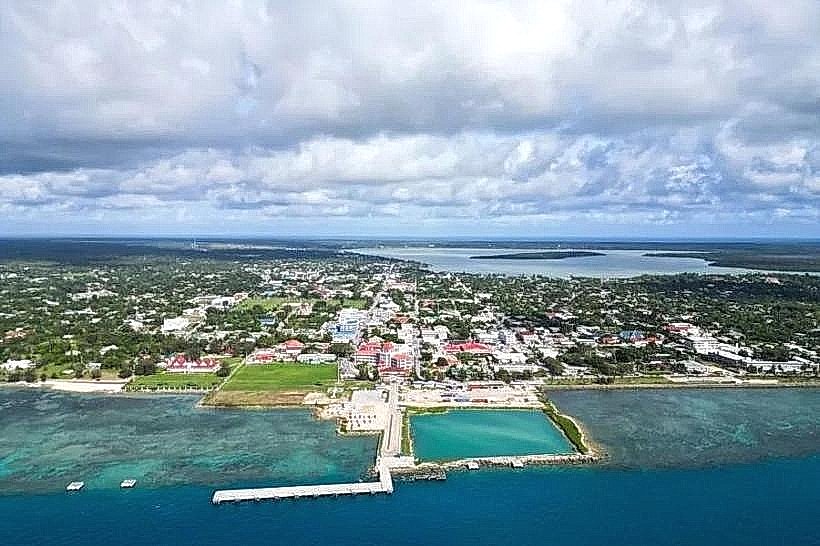
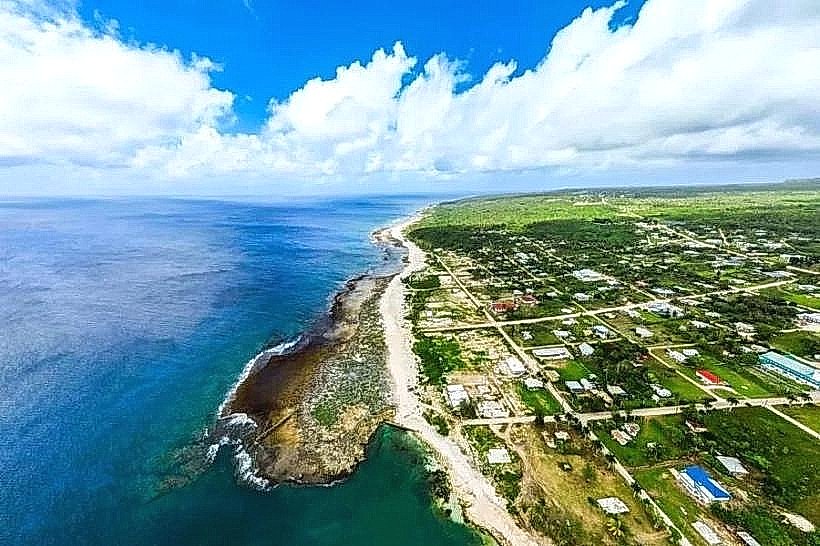
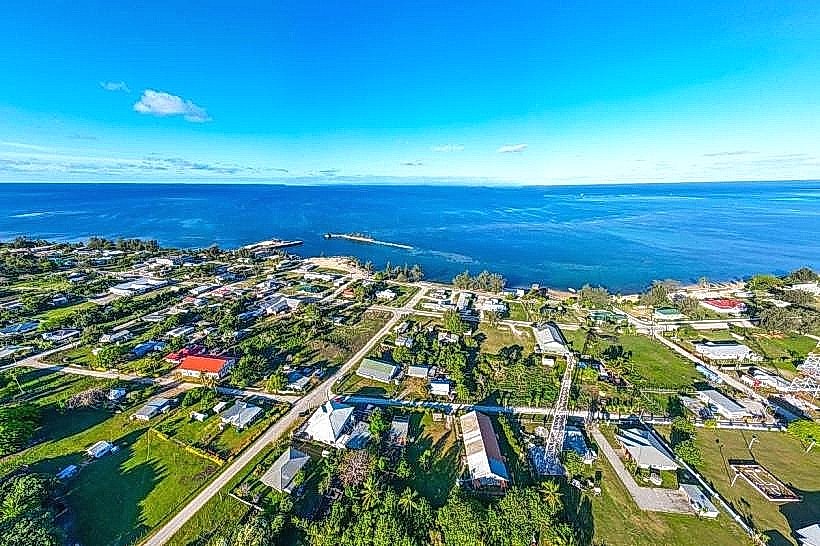
Tonga is an archipelago in the South Pacific Ocean comprising 171 islands-36 of which are inhabited-located south of Samoa and east of Fiji. The country's economy relies primarily on agriculture, overseas remittances, and commercial fishing, centered around the capital city of Nuku'alofa on the island of Tongatapu.
History & Culture
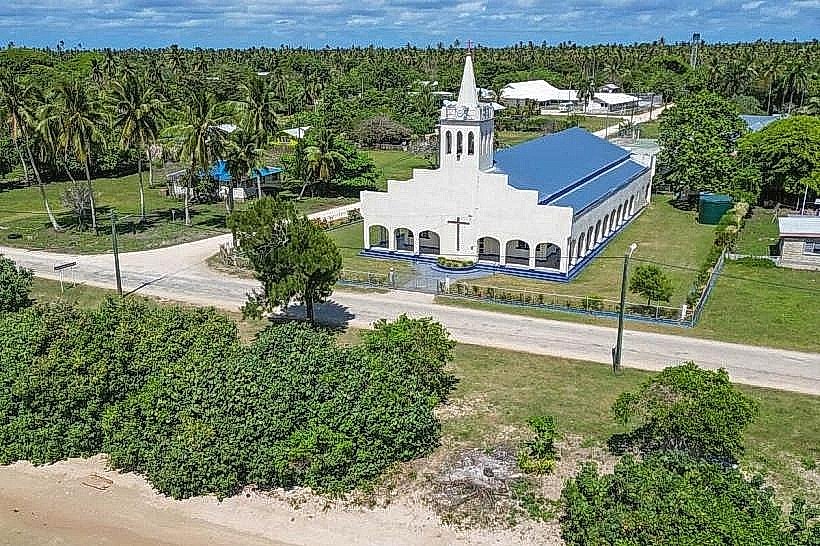
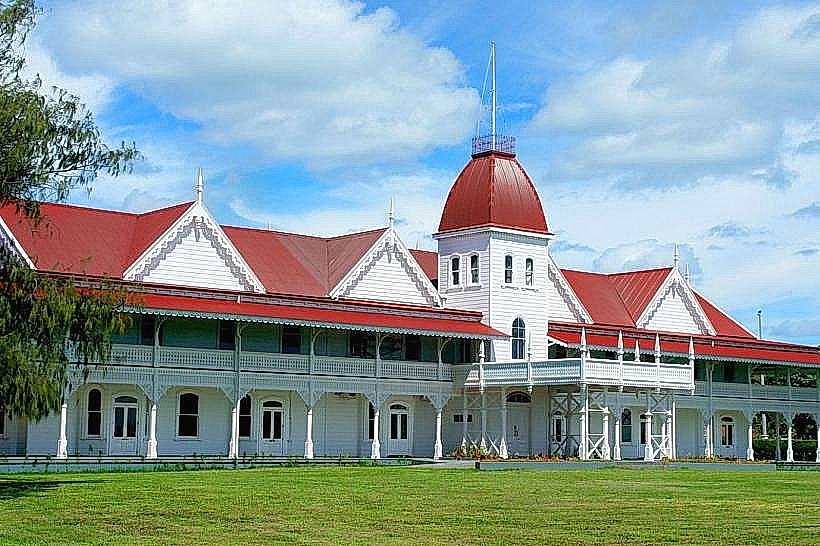
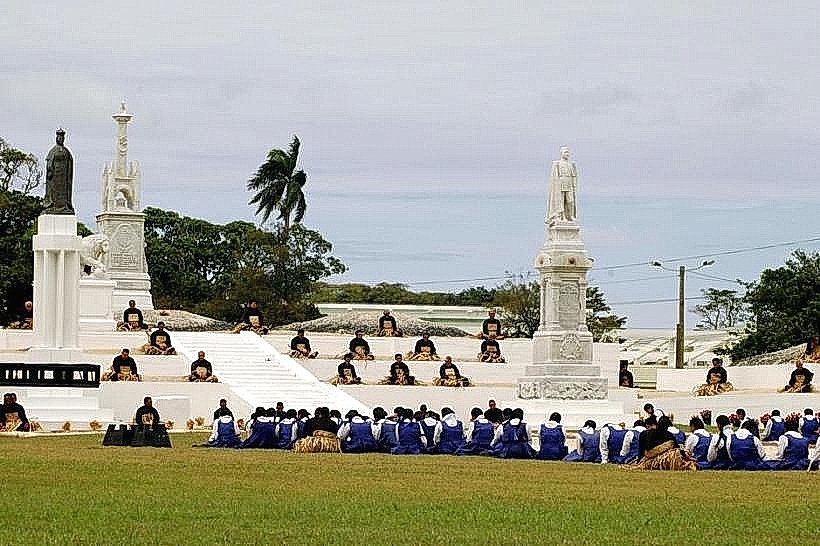
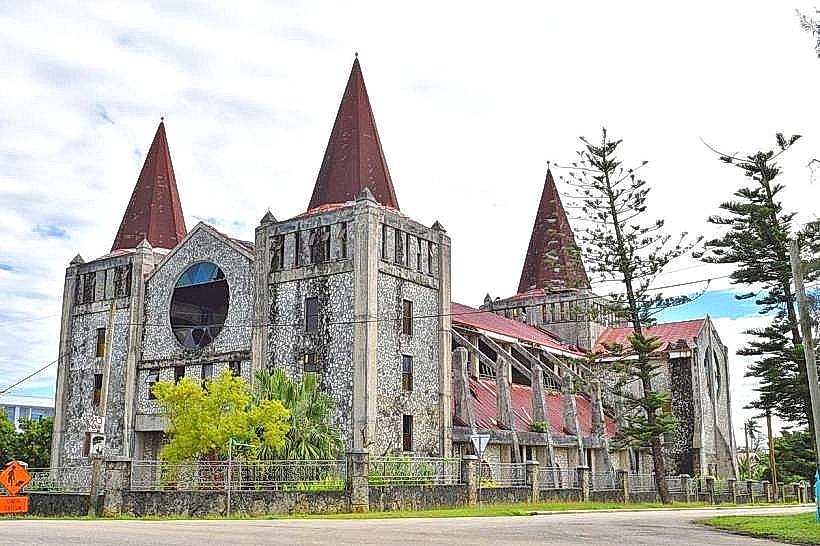
Tonga gained full independence from British protected state status in 1970 and remains Polynesia's only continuous monarchy. Religion is predominantly Christian, with the Free Wesleyan Church holding significant institutional influence. The most prominent national holiday is King Tupou VI’s Birthday on July 4. Social etiquette requires conservative public attire (clothing extending past the knee) and strict adherence to Sunday Sabbath laws, which legally mandate the closure of most businesses and public activities.
Language & Communication
The official languages are Tongan and English. English proficiency is medium to high in government, tourism, and urban commercial centers. Regional linguistic variations exist across the island groups, particularly between Tongatapu, Vavaʻu, and the Niua island group in the far north.
Population & Economy
The population stands at approximately 105,000, with roughly 23% living in urban areas and the remainder distributed across rural island settlements. Primary export commodities are squash, vanilla beans, and fish. Nominal GDP per capita is approximately $5,000 USD. The service sector, driven by government administration and tourism, dominates the formal domestic labor market.
Visa & Entry Policy
Passport holders from the EU, US, UK, Australia, and New Zealand receive a free 30-day visa on arrival at Fuaʻamotu International Airport. Entrants must present a passport valid for at least 6 months and proof of onward travel. Visa extensions up to 90 days are processed in Nuku'alofa via the Ministry of Foreign Affairs.
Currency & Payment Systems
The national currency is the Tongan Paʻanga (TOP). Cash is the dominant payment mechanism outside major Nuku'alofa hotels and resorts; credit card acceptance remains low in rural areas and outer island chains. ATMs are operational on Tongatapu and Vavaʻu but are virtually non-existent on outer island groups like Haʻapai and Eua.
National Transport Grid
Inter-island travel relies on domestic flights operated by Lulutai Airlines and maritime ferry services such as the MV ʻOtuangaʻofa. Paved roads are concentrated on Tongatapu; outer island transport relies on unpaved roads and small motorboats. Taxis and local public mini-buses provide urban transport on Tongatapu without fixed schedules.
Digital Infrastructure
Mobile coverage is provided by Digicel Tonga and Tonganet (Tonga Communications Corporation / TCC). 4G LTE network availability is reliable across Tongatapu and main towns in Vavaʻu, but signal coverage degrades rapidly in outer island groups and remote sea passages.
Climate & Seasonality
Tonga features a tropical maritime climate. The hot, wet season runs from November to April, coinciding with the South Pacific cyclone season. The cool, dry season spans May to October, with average temperature ranges between 19°C and 27°C.
Health & Safety
No mandatory vaccinations are required for entry unless arriving from a Yellow Fever endemic region. Dengue fever and Chikungunya are endemic mosquito-borne risks, requiring preventative insect repellent measures. Emergency services are reached via 911 for Police and 933 for Medical Ambulance.
Top Major Regions & Cities
Tongatapu: Main island hub containing the capital city, Nuku'alofa.
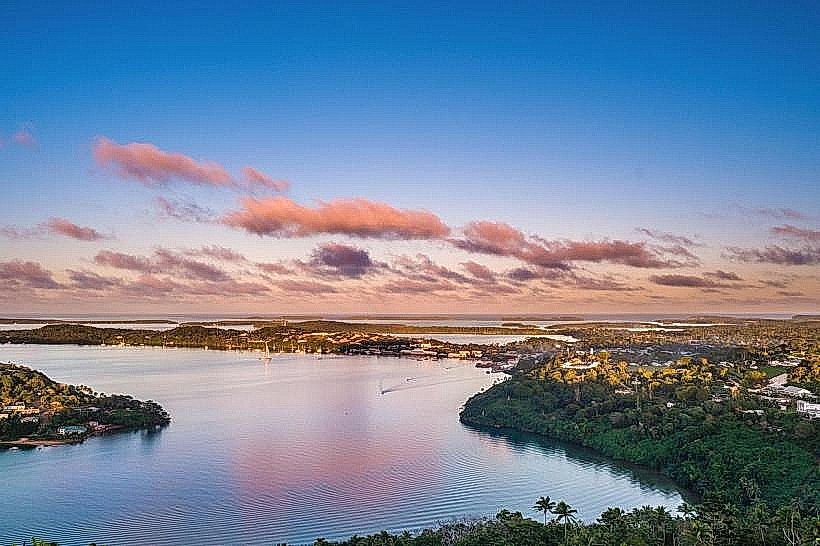
Vavaʻu Group: Northern island cluster serviced by the administrative hub city of Neiafu.
Haʻapai Group: Central low-lying coral atoll region centered around the hub town of Pangai.
ʻEua: Southern high-elevation island accessed via the main settlement of ʻOhonua.
Local Cost Index
1L Bottled Water: 2.50 TOP ($1.05 USD)
1 Domestic Beer (330ml): 6.00 TOP ($2.50 USD)
1 SIM Card with Starter Data Plan: 15.00 TOP ($6.30 USD)
Facts & Legends
Tonga is the only Pacific island nation never to have formally lost its sovereignty to a foreign power, maintaining its native monarchical lineage continuously throughout European colonial expansion in the Pacific. Local mythology attributes the creation of the island archipelago to the demigod Maui, who fished the islands up from the ocean floor using a magic bone hook.