Information
Landmark: Punchbowl Crater (National Memorial Cemetery of Pacific)City: Honolulu
Country: USA Hawaii
Continent: North America
Punchbowl Crater (National Memorial Cemetery of Pacific), Honolulu, USA Hawaii, North America
Punchbowl Crater, officially the National Memorial Cemetery of the Pacific, is a volcanic tuff cone located in Honolulu, Hawaii, USA.
Visual Characteristics
The crater is a large, bowl-shaped depression with steep, vegetated slopes. The interior is a meticulously maintained cemetery with uniform headstones. The rim of the crater offers panoramic views of Honolulu and the Pacific Ocean. Vegetation consists primarily of grasses and scattered trees.
Location & Access Logistics
The cemetery is situated approximately 5 kilometers northwest of downtown Honolulu. Access is via Puowaina Drive, which leads directly to the cemetery entrance. Ample free parking is available within the grounds. Public transportation options include TheBus routes 15 and 22, with stops near the cemetery entrance.
Historical & Ecological Origin
Punchbowl Crater is a volcanic tuff cone formed by a phreatomagmatic eruption approximately 75,000 to 100,000 years ago. The site was designated as a national cemetery in 1948. The first interments occurred in 1949.
Key Highlights & Activities
Visitors can walk through the cemetery grounds, observing the memorial sites. The Courts of the Missing, featuring the names of those lost at sea or missing in action, is a significant area. The Honolulu Memorial, with its large statue and chapel, is also a focal point. Observation points along the crater rim provide views of the surrounding landscape.
Infrastructure & Amenities
Restrooms are available near the main entrance and administrative building. Shaded areas are limited, primarily found near the memorial structures. Cell phone signal (4G/5G) is generally available within the cemetery. No food vendors are present within the cemetery; visitors should bring their own provisions.
Best Time to Visit
For optimal lighting for photography, early morning or late afternoon is recommended. The weather in Honolulu is generally pleasant year-round. Visiting during weekdays can result in fewer crowds compared to weekends.
Facts & Legends
The crater's Hawaiian name, Puʻu ʻUalakaʻa, translates to "rolling hill." During World War II, the crater was used as a military target practice area before its designation as a cemetery.
Nearby Landmarks
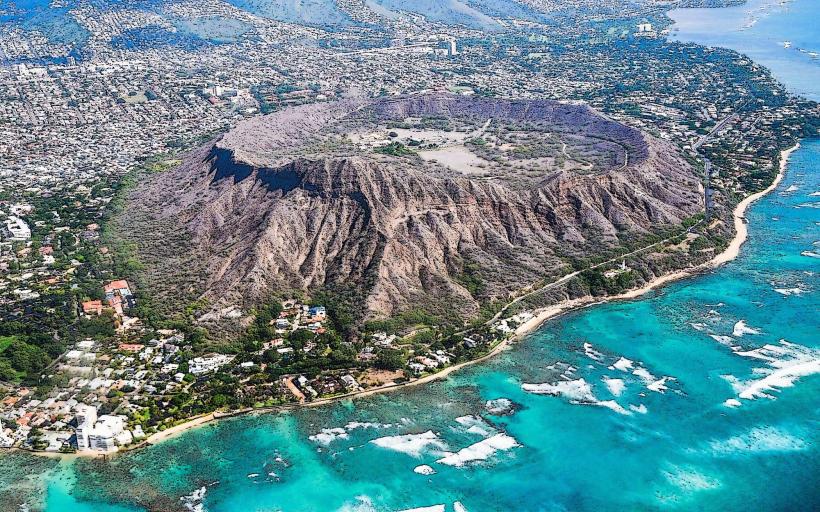
- Diamond Head State Monument (3.5km Southeast)
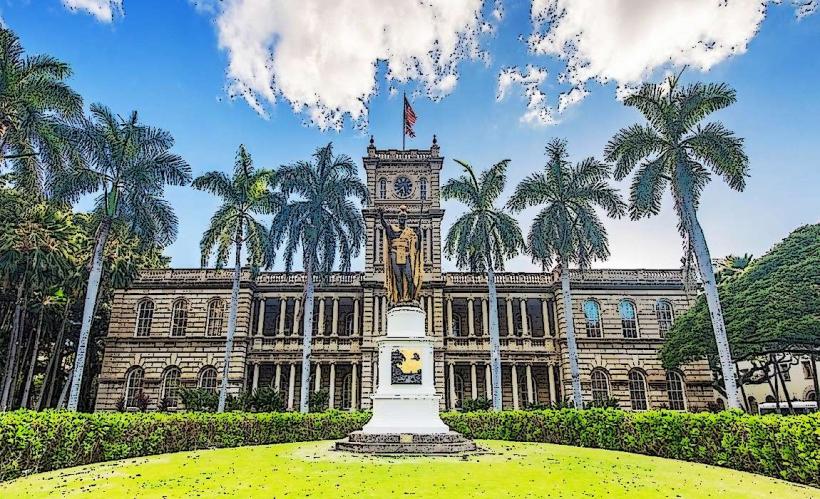
- Iolani Palace (4.2km Southeast)
- Pearl Harbor National Memorial (8.0km West)
- Ala Moana Center (4.8km South)
- Kualoa Ranch (25.0km Northeast)