Information
Landmark: Waikiki BeachCity: Honolulu
Country: USA Hawaii
Continent: North America
Waikiki Beach, Honolulu, USA Hawaii, North America
Waikiki Beach is a 2-mile stretch of sand located on the southern shore of Honolulu, Hawaii, USA.
Visual Characteristics
The beach consists of fine, light-tan sand. The ocean water is typically clear with a turquoise hue, transitioning to deeper blue further offshore. The shoreline is lined with palm trees and hotels.
Location & Access Logistics
Waikiki Beach is situated approximately 15 kilometers (9 miles) east of Daniel K. Inouye International Airport (HNL). Access is via Kalakaua Avenue, which runs parallel to the beach. Numerous public parking lots are available along Kalakaua Avenue and side streets, with hourly and daily rates. Public bus routes 2, 13, 20, 42, and E operate frequently along Kalakaua Avenue, providing direct access from various parts of Honolulu.
Historical & Ecological Origin
Historically, Waikiki was a favored retreat for Hawaiian royalty. The area's sand composition is primarily biogenic, derived from the breakdown of coral and shells over millennia. The shoreline has undergone significant artificial nourishment and modification over the past century to maintain its width.
Key Highlights & Activities
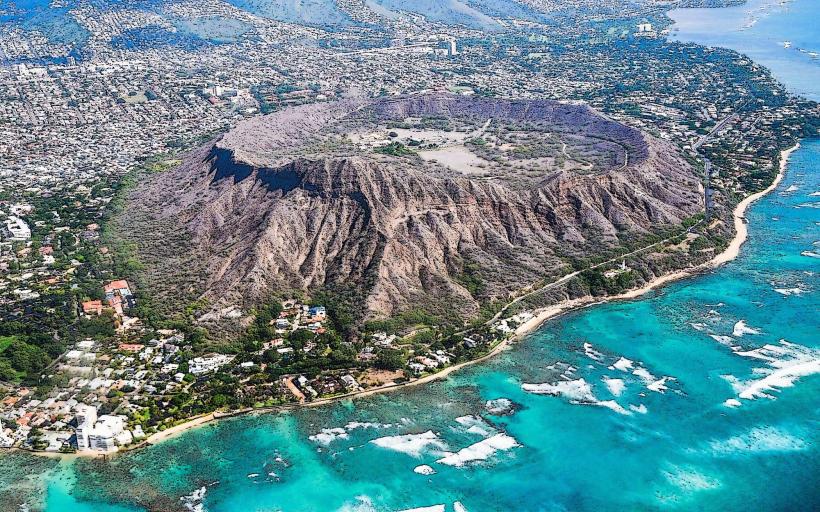
Activities include swimming, sunbathing, surfing (especially in the Kuhio Beach area), stand-up paddleboarding, and outrigger canoe rides. Lessons for surfing are available from multiple vendors along the beach. Walking the promenade offers views of Diamond Head.
Infrastructure & Amenities
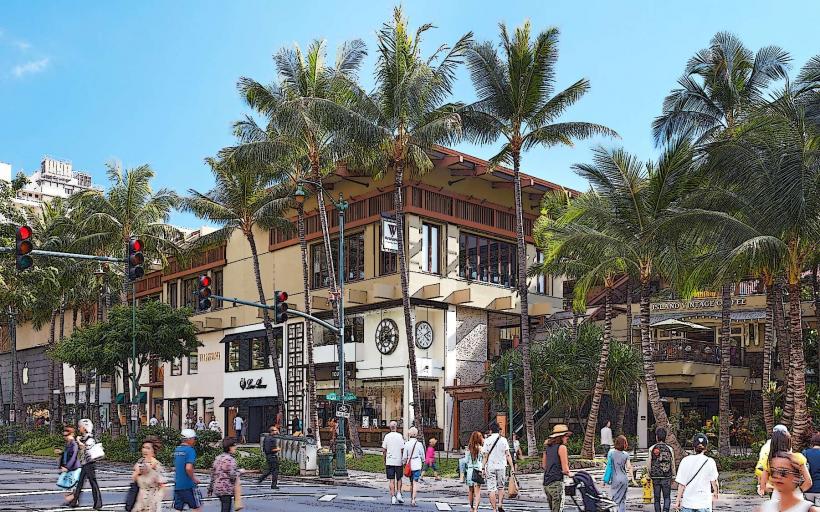
Restrooms and shower facilities are located at various points along the beach, particularly near lifeguard stations. Shade is limited, primarily provided by palm trees and rented umbrellas. Cell phone signal (4G/5G) is generally strong. Food vendors and restaurants are abundant along Kalakaua Avenue and within adjacent hotel properties.
Best Time to Visit
For photography, early morning (sunrise) and late afternoon (pre-sunset) offer optimal lighting conditions with fewer crowds. The best months for consistent weather are generally April through September, with lower rainfall. Ocean conditions are suitable for swimming year-round, though surf can be larger during winter months (November-February).
Facts & Legends
The name "Waikiki" translates to "spouting water" in Hawaiian, likely referring to the freshwater springs that once fed the area's wetlands. A specific tip for visitors is to observe the Duke Kahanamoku statue, a tribute to the father of modern surfing, located near the Duke Kahanamoku Beach section.
Nearby Landmarks
- Diamond Head State Monument (1.5km Southeast)
- Kapiolani Park (1km East)
- Honolulu Zoo (1.2km East)
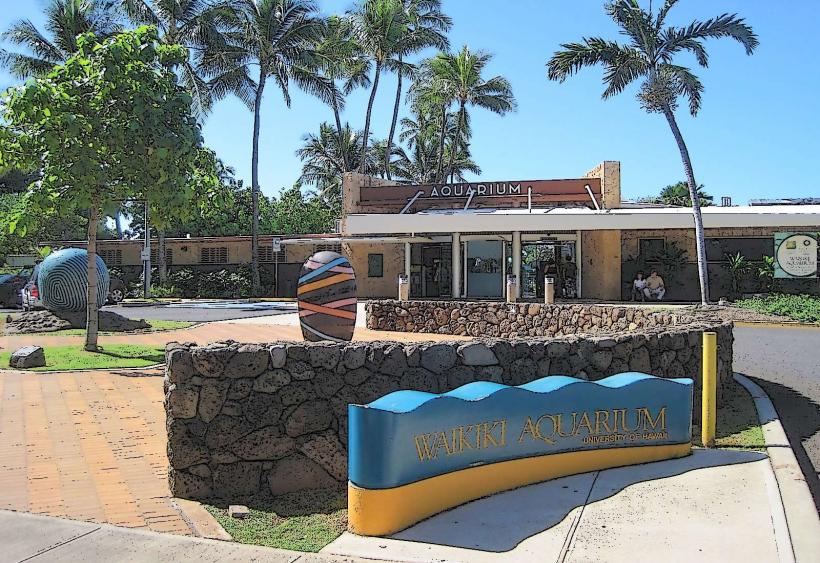
- Waikiki Aquarium (1.8km East)
- Fort DeRussy Beach Park (1km West)