Landmark: Ribeira da Prata Valley
City: Tarrafal
Country: Cabo Verde
Continent: Africa
Ribeira da Prata Valley, Tarrafal, Cabo Verde, Africa
Ribeira da Prata Valley is a geological formation located on the island of Santiago in Cabo Verde, near the town of Tarrafal.
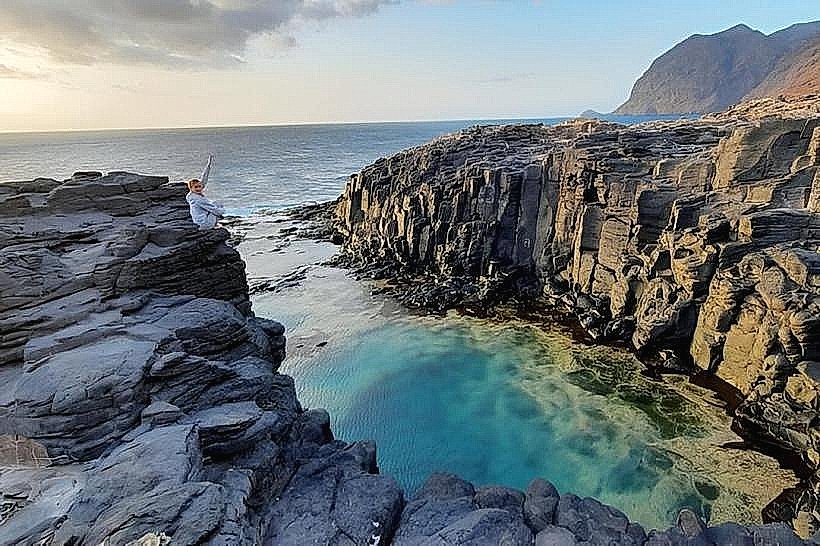
This valley is characterized by its arid landscape and the presence of volcanic rock formations.
Visual Characteristics
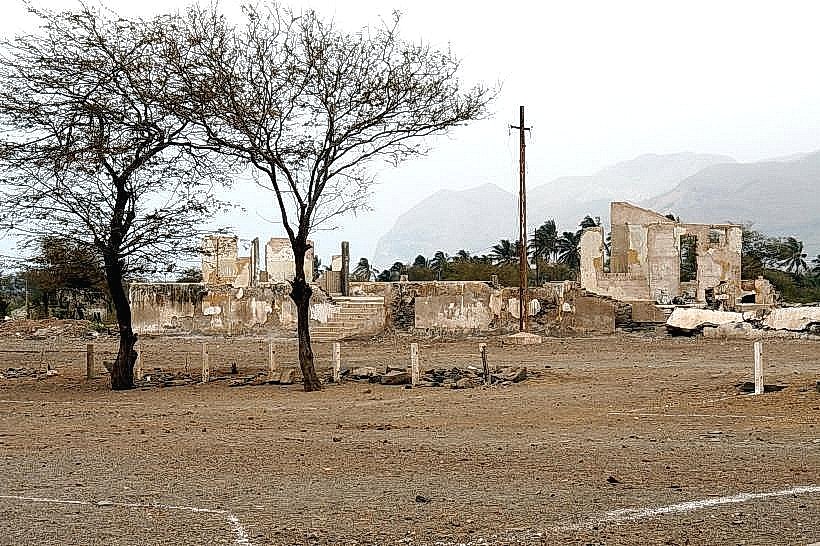
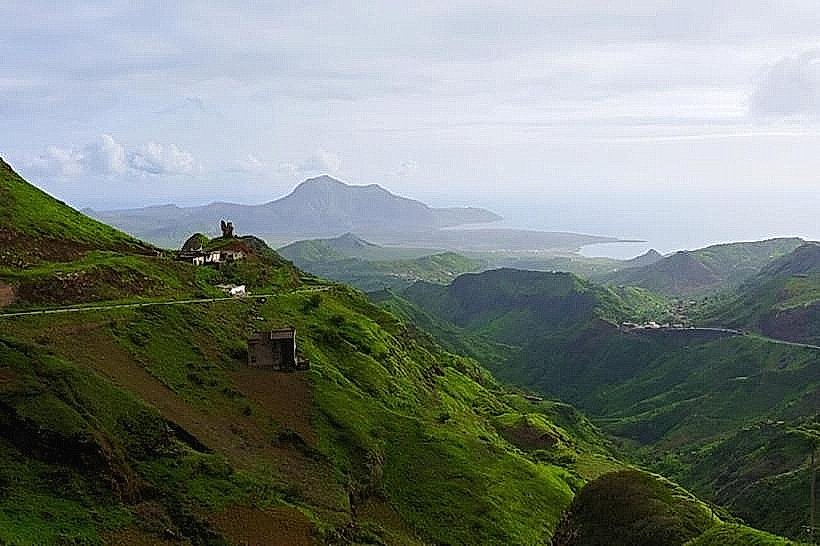
The valley floor is composed of dark, weathered volcanic rock and gravel. Sparse, drought-resistant vegetation, primarily low-lying shrubs and grasses, dots the landscape. The surrounding hillsides are steep and eroded, displaying layers of volcanic sediment. The dominant color palette is earthy browns, grays, and muted greens.
Location & Access Logistics
Ribeira da Prata Valley is situated approximately 5 kilometers inland from Tarrafal. Access is via the unpaved road connecting Tarrafal to Assomada (EN1-ST01). Turn off the main road at the sign for Ribeira da Prata. The final approach involves a rough track suitable for 4x4 vehicles; standard vehicles may struggle. Parking is informal and available at the valley entrance. No public transport directly serves the valley.
Historical & Ecological Origin
The valley is a product of volcanic activity that formed the island of Santiago millions of years ago. Its current arid state is a result of the semi-arid climate of Cabo Verde, with minimal rainfall leading to erosion and the development of a xerophytic ecosystem.
Key Highlights & Activities
Hiking through the valley to observe the geological formations. Birdwatching for endemic species adapted to the arid environment. Photography of the volcanic rock structures and sparse vegetation.
Infrastructure & Amenities
No formal infrastructure exists within Ribeira da Prata Valley. There are no restrooms, designated shade structures, or food vendors. Cell phone signal is intermittent to non-existent.
Best Time to Visit
The best time for photography is in the late afternoon when the low sun angle creates shadows that highlight the rock formations. The dry season, from November to May, offers the most stable weather conditions. Avoid visiting during the brief rainy season (August-October) when flash floods are a risk.
Facts & Legends
Local folklore suggests that the valley was once a source of fresh water, but its flow ceased after a volcanic eruption. Geologically, the valley's erosion patterns reveal distinct layers of ancient lava flows.
Nearby Landmarks
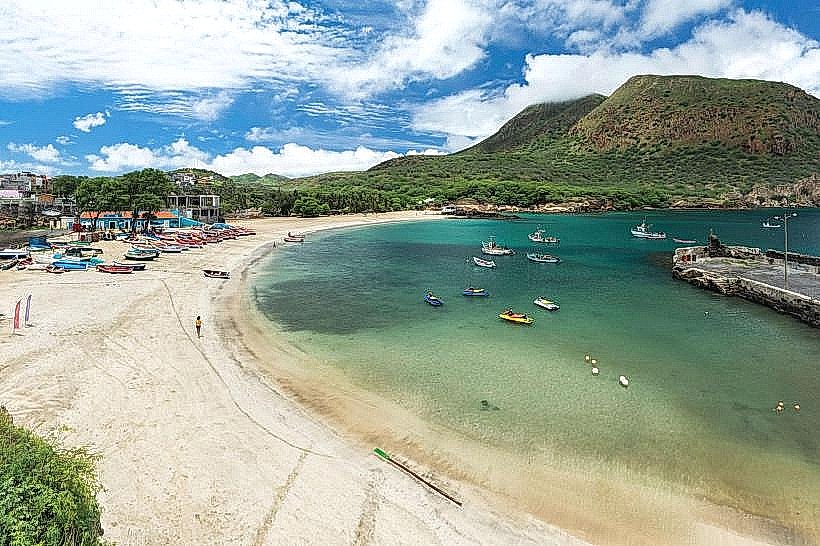
- Tarrafal Beach (3.5km Southwest)
- Monte Graciosa (4.0km East)
- Assomada Market (12.0km Southeast)
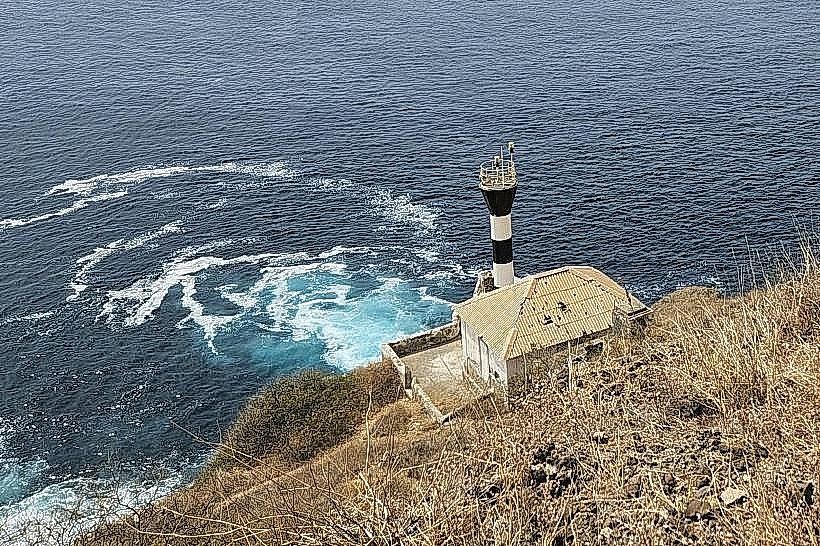
- Poilão Lighthouse (6.0km West)