Landmark: Tarrafal Beach
City: Tarrafal
Country: Cabo Verde
Continent: Africa
Tarrafal Beach, Tarrafal, Cabo Verde, Africa
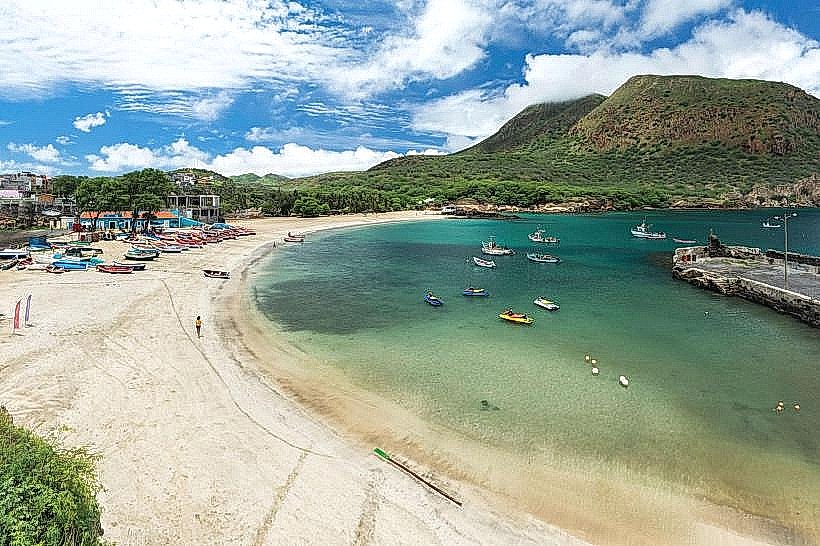
Tarrafal Beach is a coastal area located in the town of Tarrafal, on the island of Santiago, Cabo Verde.
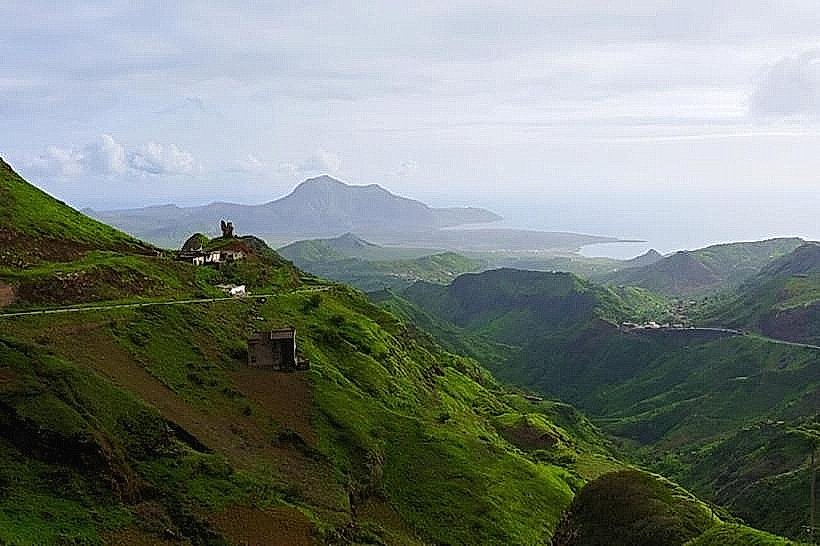
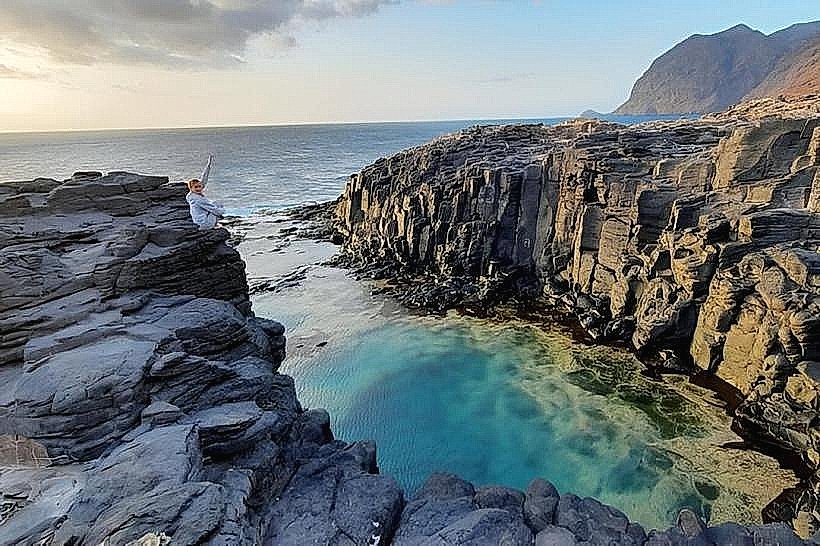
This beach is characterized by its crescent shape, approximately 600 meters in length, with fine, light-colored sand. The water is typically clear and exhibits shades of turquoise and blue. The beach is bordered by low-lying hills covered in sparse vegetation.
Location & Access Logistics
Tarrafal Beach is situated at the northern end of the town of Tarrafal. It is approximately 70 kilometers northwest of Praia, the capital city. Access is via the EN1-ST01 national road, which leads directly into Tarrafal. Parking is available along the beachfront road and in designated areas near the town center. Public transport options include shared taxis (aluguers) departing from Praia's main bus station, typically running throughout the day.
Historical & Ecological Origin
The beach is a natural formation, part of the coastal geology of Santiago Island. Its formation is attributed to marine erosion and sediment deposition over geological time. The surrounding hills are volcanic in origin, common to the Cape Verde archipelago.
Key Highlights & Activities
Swimming is possible in the generally calm waters. Snorkeling can be done around the rocky outcrops at the southern end of the beach. Boat trips to nearby fishing spots or other coastal areas can be arranged with local fishermen. Walking along the shoreline is a common activity.
Infrastructure & Amenities
Restrooms are available in some of the beachfront establishments. Shade is provided by palm trees and umbrellas at some of the beachside restaurants. Cell phone signal (4G) is generally available. Food vendors and small restaurants are located along the beachfront, offering local cuisine.
Best Time to Visit
The best time of day for photography is generally in the late afternoon, approximately one hour before sunset, for softer lighting. The dry season, from November to June, offers the most favorable weather conditions with less rainfall and lower humidity. High tide can reduce the visible sand area.
Facts & Legends
A notable historical feature is the nearby Ponta Preta, a rocky promontory that was once a site for clandestine slave trade activities during the colonial era, though the beach itself was primarily a fishing and agricultural area.
Nearby Landmarks
- Ponta Preta (0.3km South)
- Monte Amarelo (2.5km East)
- Ribeira da Prata (4.0km Southeast)