Landmark: Senckenberg Museum
City: Frankfurt
Country: Germany
Continent: Europe
Senckenberg Museum, Frankfurt, Germany, Europe
Senckenberg Nature Museum (Senckenberg Naturmuseum) is the second-largest natural history museum in Germany and one of the most significant in Europe. It is operated by the Senckenberg Nature Research Society.
Visual Characteristics
The museum is housed in a grand Neo-Baroque building constructed between 1904 and 1907. It is immediately recognizable by the life-sized dinosaur models (a T-Rex and a Diplodocus) positioned in its front courtyard. Internally, the galleries are expansive, featuring high-ceilinged halls dominated by skeletal mounts and meticulously detailed taxidermy displays.
Location & Access Logistics
Located at Senckenberganlage 25, 60325 Frankfurt am Main.
Public Transit: Served by Bockenheimer Warte (U-Bahn lines U4, U6, U7 and Tram 16).
Access: Requires a paid entry ticket.
Hours: Generally open daily 9:00 AM–5:00 PM (until 8:00 PM on Wednesdays; until 6:00 PM on weekends).
Parking: Limited. Use the "Parkhaus Messeturm" or "Parkhaus Ladengalerie."
Historical & Ecological Origin
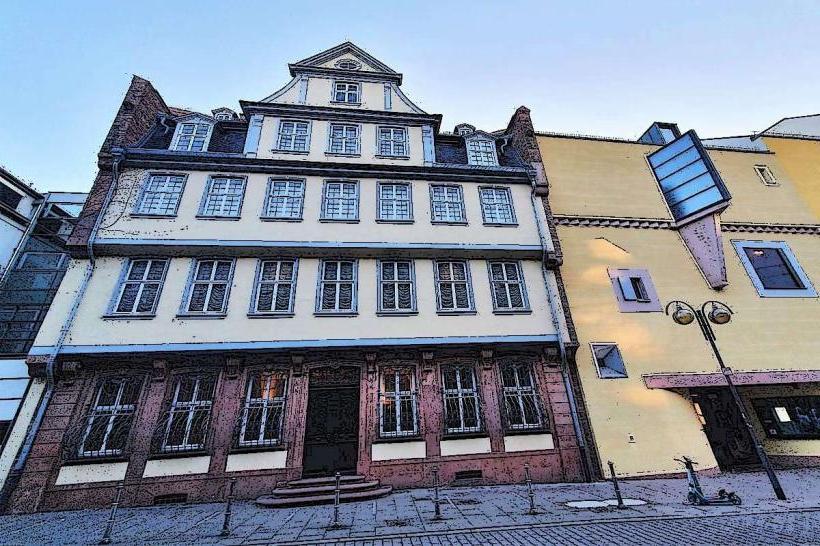
The museum was founded in 1821 by the Senckenberg Nature Research Society, which was established by Frankfurt citizens inspired by Johann Wolfgang von Goethe. It serves as a major center for research into biodiversity and evolution. The collection includes approximately 40 million items, ranging from geological specimens to biological archives.
Key Highlights & Activities
Dinosaur Hall: One of the most comprehensive collections in Europe, featuring a nearly complete Diplodocus and unique mummified dinosaur skin impressions.
Messel Pit Fossils: A significant display of Eocene-era fossils (including early horses and primates) from the nearby Messel Pit UNESCO World Heritage site.
Evolution of Humans: A dedicated section tracing the biological history of the hominid lineage.
Taxidermy Collection: Includes the world-famous "Giant Anaconda" swallowing a capybara.
Geology & Planets: Exhibits on the formation of the Earth, plate tectonics, and a large meteorite collection.
Infrastructure & Amenities
The museum includes the Senckenberg Bistro and a specialized museum shop. The building is largely wheelchair accessible via a side entrance and elevators, though some historic wings have specific navigation routes. Public restrooms and lockers are available on the lower levels. 5G signal is strong throughout the Bockenheimer Warte area.
Best Time to Visit
To avoid school groups, visit on weekday afternoons or during the extended Wednesday evening hours. The museum is highly popular with families on weekends.
Facts & Legends
A technical oddity is the museum's role as a global research hub; many of the scientists working in the building are actively naming new species discovered in the field today. Historically, the museum was almost destroyed in 1944 but was rebuilt to preserve its central role in German scientific education.
Nearby Landmarks
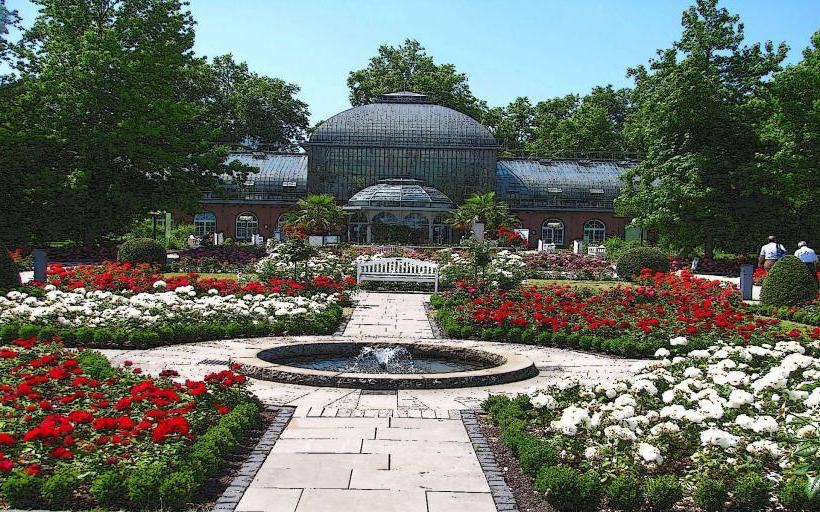
Palmengarten – 0.6km East
Goethe University (Bockenheim Campus) – Adjacent (North)
Messe Frankfurt (Trade Fair) – 0.4km South
Naturmuseum Senckenberg (Research Institute) – Adjacent (West)