Landmark: Sinharaja Forest Reserve
City: Ratnapura
Country: Sri Lanka
Continent: Asia
Sinharaja Forest Reserve, Ratnapura, Sri Lanka, Asia
Sinharaja Forest Reserve is a primary tropical rainforest located in southwestern Sri Lanka, near the city of Ratnapura.
It is a UNESCO World Heritage Site recognized for its significant biodiversity.
Visual Characteristics
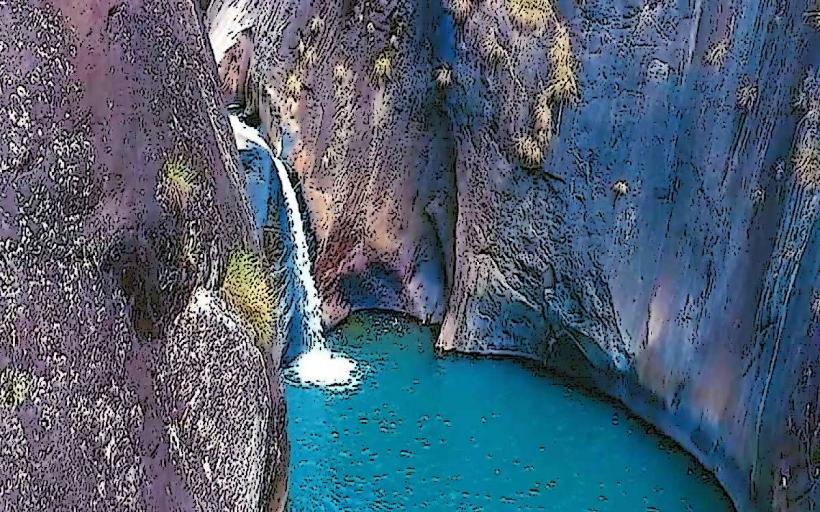
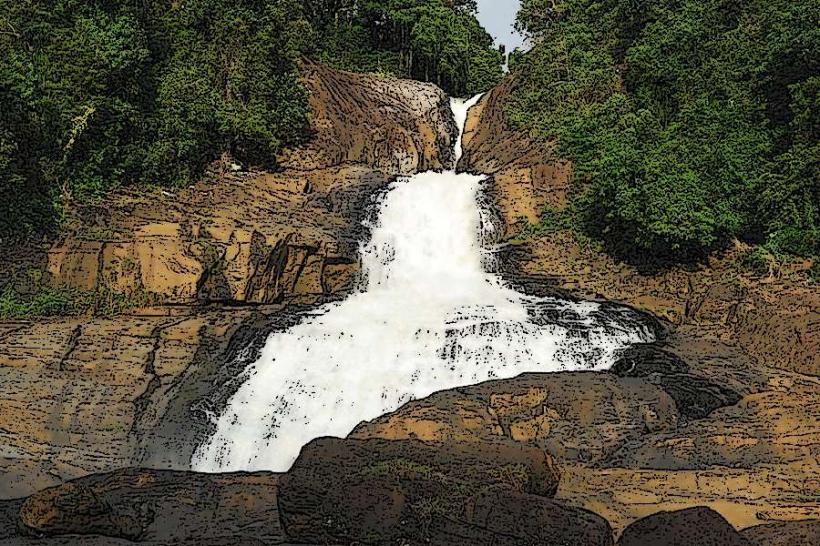
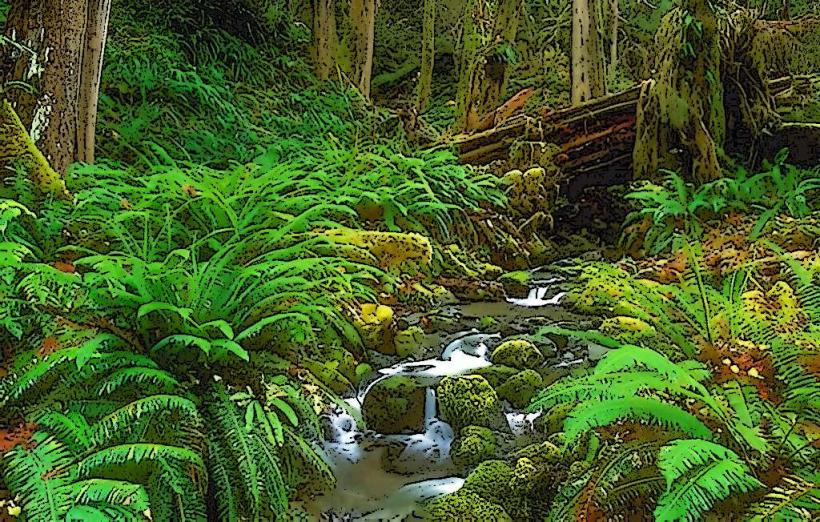
The reserve is characterized by dense, multi-layered canopy cover reaching up to 45 meters. Dominant tree species include Dipterocarpus species (Hora) and Mesua ferrea (Na). The undergrowth is thick with ferns, lianas, and epiphytes. Streams and small waterfalls are present throughout the terrain, with water color typically clear to slightly brown due to tannins from decaying vegetation. Rock formations are primarily laterite and gneiss.
Location & Access Logistics
Sinharaja Forest Reserve is accessible via multiple entry points. The Kudawa entrance is approximately 20 km southwest of Balangoda and 30 km north of Deniyaya. The Mulawella entrance is near the village of Warukandeniya, about 15 km from Deniyaya. Access roads are often unpaved and can be challenging, especially during the monsoon season; a 4WD vehicle is recommended for optimal access. Public transport involves buses to Deniyaya or Balangoda, followed by local taxi or tuk-tuk services to the reserve entrances. No direct public transport reaches the reserve gates.
Historical & Ecological Origin
Sinharaja is a remnant of the island's last surviving primary tropical rainforest. Its ecological significance lies in its status as a biodiversity hotspot, particularly for endemic species. The forest has remained largely undisturbed due to its inaccessibility and historical protection. It is classified as a lowland wet evergreen forest.
Key Highlights & Activities
Hiking is the primary activity, with marked trails available. The Sinharaja Trail (approx. 3 km loop) and the Mulawella Trail (approx. 2 km loop) are common routes. Birdwatching is a significant draw due to the high number of endemic avian species. Observing endemic amphibians and reptiles is also possible. Guided walks with local naturalists are available at entry points.
Infrastructure & Amenities
Basic facilities are available at the main entry points, including rudimentary restrooms and small visitor centers. Shade is abundant within the forest canopy. Cell phone signal is intermittent and generally unreliable within the reserve. Food vendors are typically located in nearby villages rather than at the reserve entrances.
Best Time to Visit
The best months for visiting are generally from December to April, which corresponds to the drier season. However, rain can occur at any time of year. For photography, early morning (6:00 AM - 9:00 AM) and late afternoon (4:00 PM - 6:00 PM) offer softer light. No specific tide requirements apply.
Facts & Legends
The name "Sinharaja" translates to "Lion King," referencing a legend that the forest is the domain of lions. While no lions inhabit the reserve, the name reflects its ancient and formidable presence. A specific tip for visitors is to carry insect repellent, as mosquitoes and leeches are common, especially after rainfall.
Nearby Landmarks
- Deniyaya Town (15km South)
- Kudawa Nature Study Centre (1km West)
- Mulawella Entrance (1km East)
- Rakwana Town (25km Northeast)