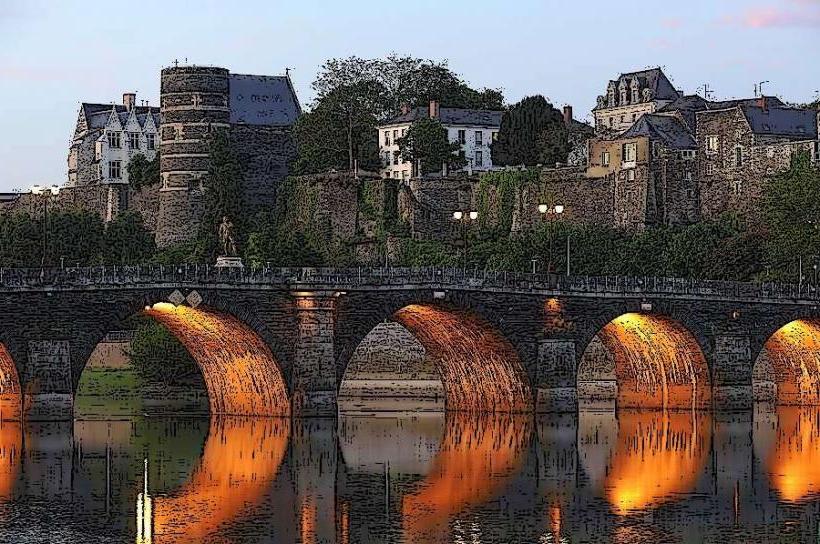
Landmark: Tapestry of the Apocalypse
City: Angers
Country: France
Continent: Europe
Tapestry of the Apocalypse, Angers, France, Europe
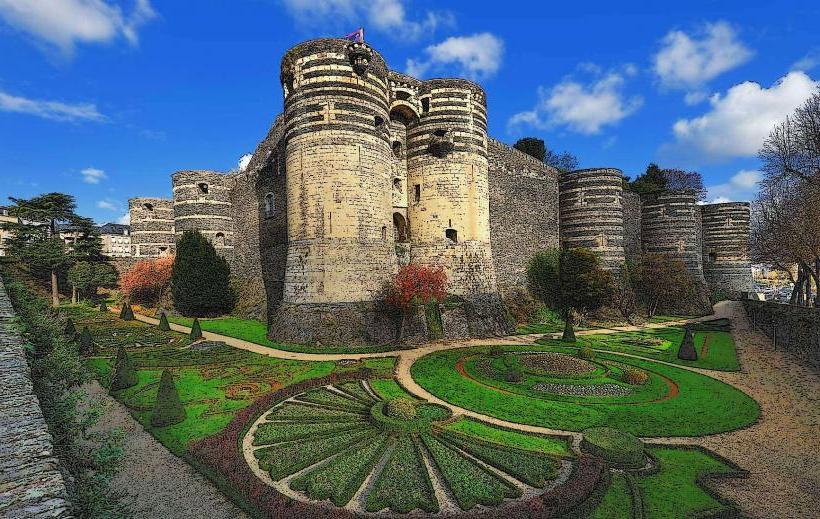
The Apocalypse Tapestry (Tenture de l'Apocalypse) is the largest and oldest surviving set of medieval tapestries in the world. Commissioned in the 14th century, it depicts the story of the Apocalypse from the Book of Revelation by Saint John. It is housed in a dedicated gallery within the Château d'Angers.
Visual Characteristics
The tapestry originally measured 140 meters in length and 6 meters in height, though approximately 100 meters remain. It consists of six distinct sections, each containing 14 individual scenes. The visual style is characterized by alternating red and blue backgrounds and the use of "fine-weave" wool techniques. The imagery features symbolic figures such as the Four Horsemen, the Seven-Headed Beast, and the New Jerusalem, rendered in a late Gothic aesthetic with intricate floral motifs known as "millefleurs" in certain sections.
Location & Access Logistics
The tapestry is located at 2 Promenade du Bout du Monde, inside the Château d'Angers. It is displayed in a specialized, darkened, climate-controlled gallery designed to prevent the fading of its natural dyes. The chateau is a 10-minute walk from the Angers Saint-Laud train station. Access to the gallery is included in the general admission ticket for the fortress.
Historical & Ecological Origin
The work was commissioned around 1375 by Louis I, Duke of Anjou, and completed by 1382. The cartoons (preparatory drawings) were created by the Flemish court painter Jean de Bondol, and the weaving was executed in the Paris workshop of Nicolas Bataille. The materials used are wool and silk, colored with plant-based dyes such as madder (red), woad (blue), and weld (yellow). After being neglected for centuries, it was restored in the mid-19th century by Canon Joubert.
Key Highlights & Activities
Visitors follow a linear path through the darkened gallery, viewing the narrative in chronological order. Significant panels include the "Great Prostitute on the Beast" and "The Fall of Babylon." The gallery provides detailed multilingual descriptions explaining the theological and political symbolism of each scene, which often mirrored the contemporary anxieties of the Hundred Years' War.
Infrastructure & Amenities
The gallery is kept at a constant temperature and very low light levels to protect the fibers. It is fully wheelchair accessible via a ramp and elevator from the main courtyard. Public restrooms and a gift shop specializing in textile history are located within the chateau grounds. 5G signal is non-existent inside the gallery due to the reinforced concrete and schist walls required for preservation.
Best Time to Visit
To avoid peak crowds and school groups, visit during the first hour of opening (10:00) or during the lunch hour (12:00–14:00). The gallery is open year-round, but the interior remains significantly cooler than the exterior in summer, providing a thermal refuge.
Facts & Legends
A verified historical oddity is that during the 18th century, the tapestry was considered "out of fashion" and parts were used as blankets for horses, rugs for greenhouses, and even to wrap orange trees to protect them from frost. Legend and historical analysis suggest that the "Beast" in the tapestry was intentionally designed to resemble the English invaders of the time, turning a religious narrative into political propaganda for the House of Valois.
Nearby Landmarks
Château d'Angers (Exterior Walls): 0.0km (Immediate site)
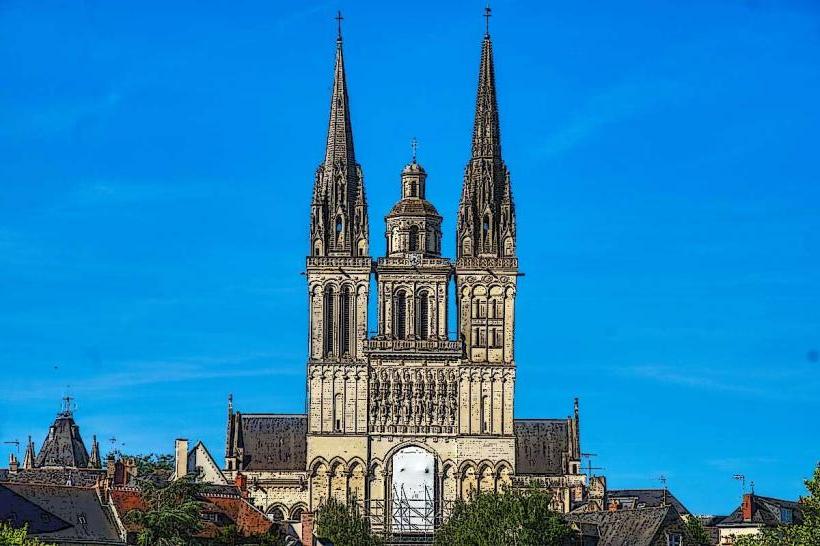
Angers Cathedral: 0.3km East
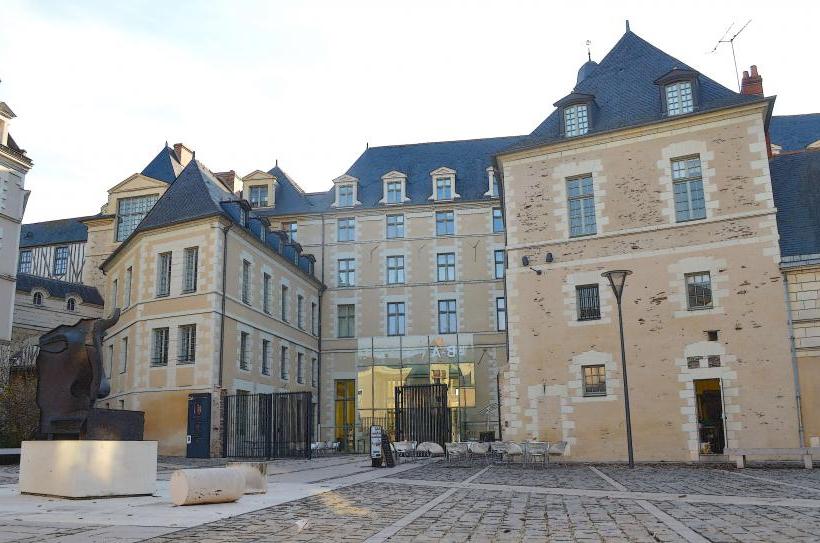
Galerie David d'Angers: 0.4km South
Maine River: 0.1km West
Musée Jean-Lurçat (Modern Tapestry Museum): 1.2km North