Landmark: Udawatta Kele Sanctuary
City: Kandy
Country: Sri Lanka
Continent: Asia
Udawatta Kele Sanctuary, Kandy, Sri Lanka, Asia
Udawatta Kele Sanctuary is a protected forest reserve located within the city limits of Kandy, Sri Lanka.
This urban forest serves as a vital ecological zone and a historical site within the Kandy metropolitan area.
Visual Characteristics
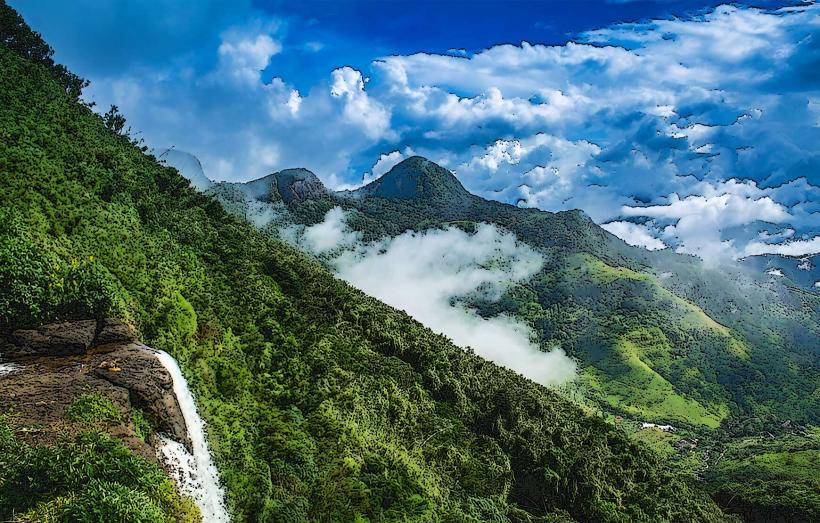
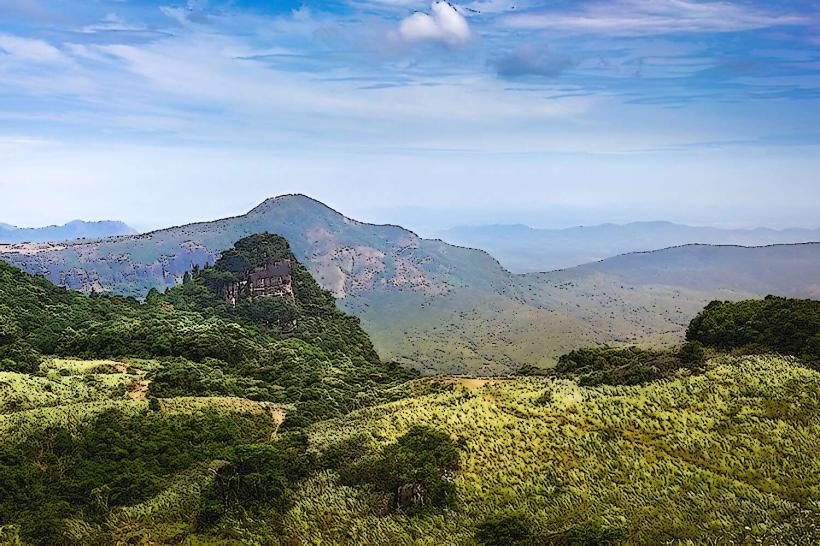
The sanctuary is characterized by dense tropical moist evergreen forest. Dominant tree species include Mesua ferrea (Na) and Cullenia rosayrosea (Dutugala). The forest canopy reaches heights of 20-30 meters. Undergrowth is thick, with ferns and various shrub species. Several small streams traverse the terrain, feeding into a central pond. Rock outcrops are present in certain areas.
Location & Access Logistics
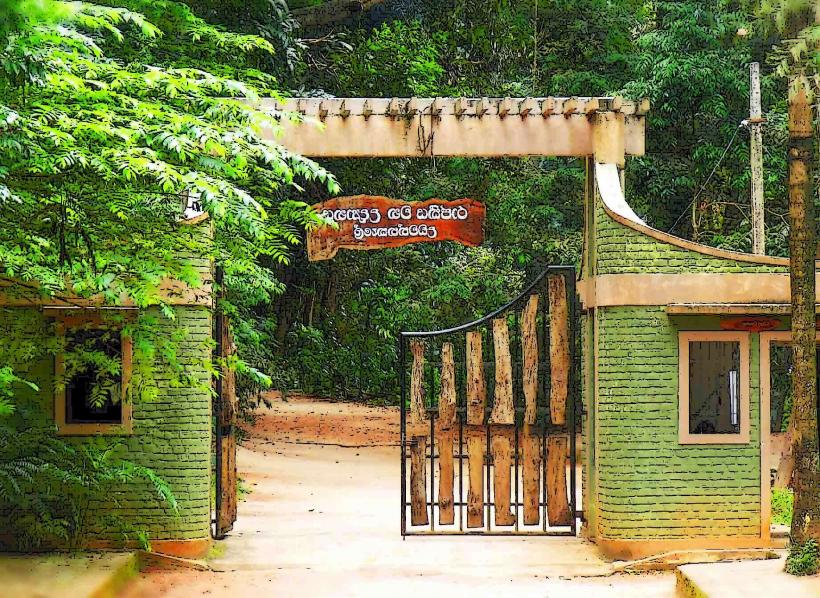
Udawatta Kele Sanctuary is situated approximately 2 kilometers north of the Kandy city center. Access is primarily via the main road leading towards the Royal Botanical Gardens, Peradeniya. Turn off at the signposted entrance. Parking is available at the main entrance gate. Public transport options include Kandy city buses that run along the main road; disembark at the sanctuary entrance stop. The nearest train station is Kandy Railway Station, from which a tuk-tuk or taxi can be hired.
Historical & Ecological Origin
Historically, the forest was designated as a royal forest reserve by the Kings of Kandy. It was later declared a sanctuary in 1938. Ecologically, it is classified as a tropical moist evergreen forest, supporting a diverse range of flora and fauna endemic to the region. The forest plays a crucial role in maintaining the microclimate of Kandy city.
Key Highlights & Activities
Hiking is permitted on designated trails, including the main loop trail and the Senkadagala trail. Birdwatching is a primary activity, with over 80 species recorded. Observation of primate species, such as toque macaques, is common. The forest contains several ancient caves and a Buddhist monastery (Forest Hermitage) within its boundaries. Photography of flora and fauna is encouraged.
Infrastructure & Amenities
Basic restroom facilities are located near the main entrance. Limited shaded rest areas are available along the main trails. Cell phone signal (4G) is generally available within the sanctuary. No food vendors are present inside the sanctuary; visitors should carry their own provisions. Water sources are present but should be treated before consumption.
Best Time to Visit
The best time of day for wildlife observation and photography is early morning (6:00 AM - 9:00 AM) and late afternoon (3:00 PM - 5:00 PM) when animals are most active. The dry season, from December to March, offers the most favorable weather conditions with less rainfall. The sanctuary is open year-round.
Facts & Legends
A notable feature is the "Three Dumbara" cave, believed to have been used by monks for meditation. Local folklore suggests the forest was once a royal hunting ground. A specific tip for visitors is to wear insect repellent, as mosquitoes can be prevalent, especially during dawn and dusk.
Nearby Landmarks
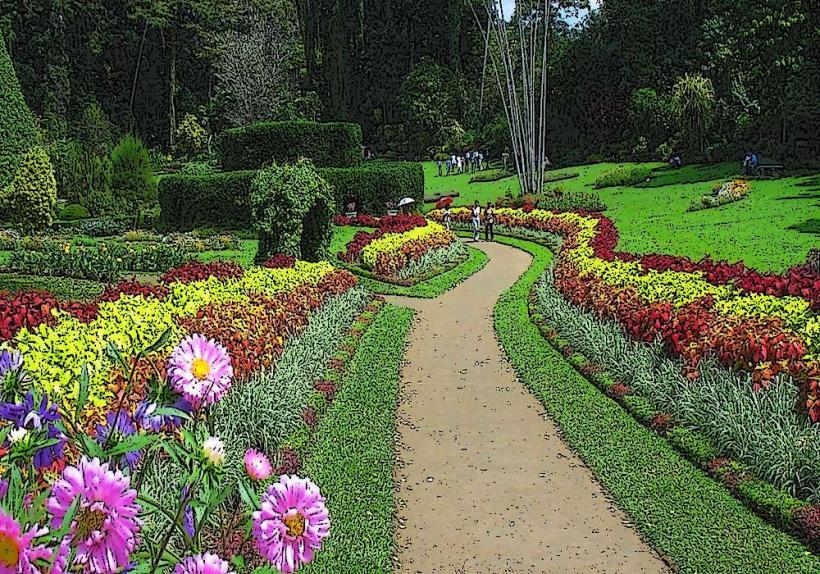
- Royal Botanical Gardens, Peradeniya - 3.5km Southwest
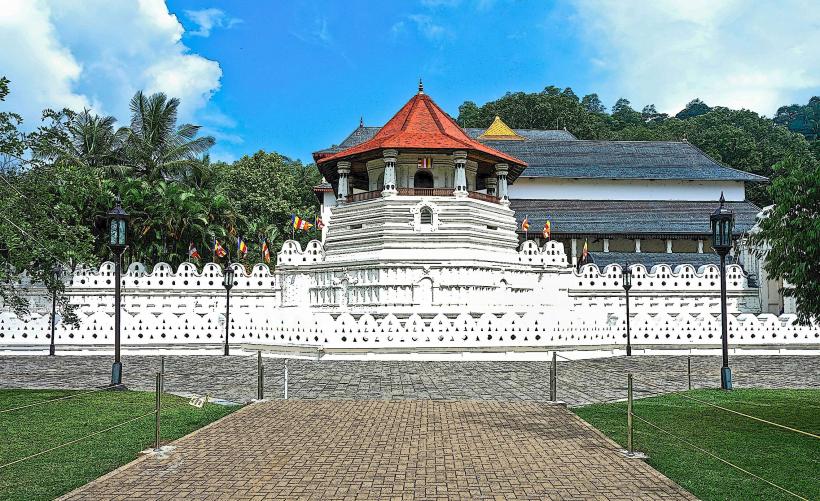
- Temple of the Tooth Relic - 2.2km South
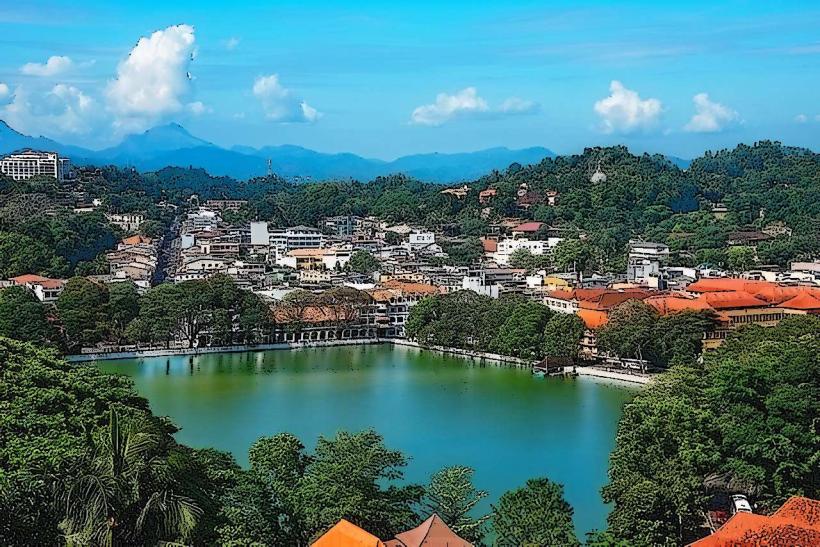
- Kandy Lake - 2.0km South
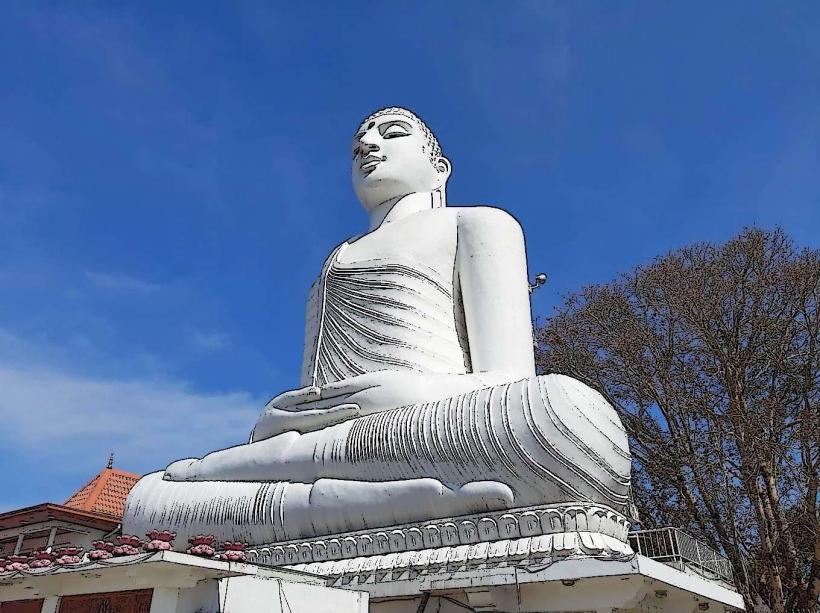
- Bahirawakanda Vihara Buddha Statue - 2.8km South
- Lakeside Adventist Hospital - 2.5km South