Landmark: Váci Street
City: Budapest
Country: Hungary
Continent: Europe
Váci Street, Budapest, Hungary, Europe
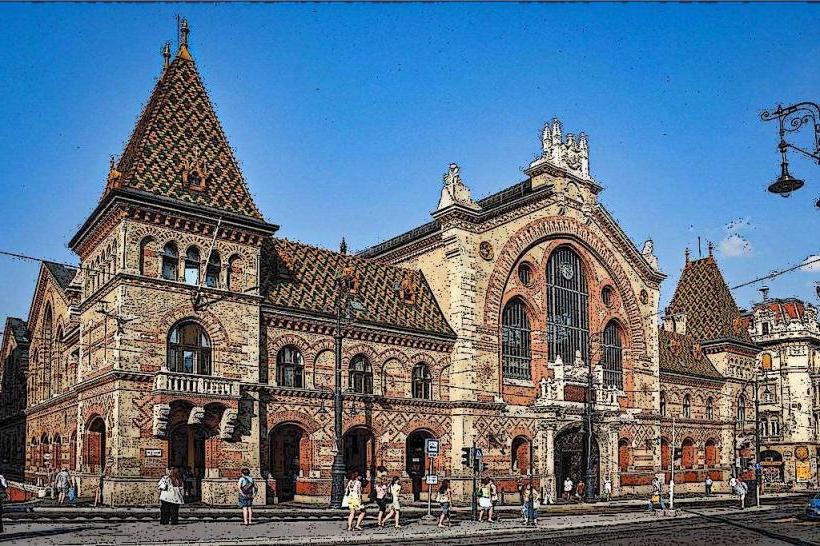
Váci Street (Váci utca) is the primary pedestrian thoroughfare and most famous shopping street in Budapest. It runs parallel to the Danube on the Pest side, extending from Vörösmarty Square to the Central Market Hall.
Visual Characteristics
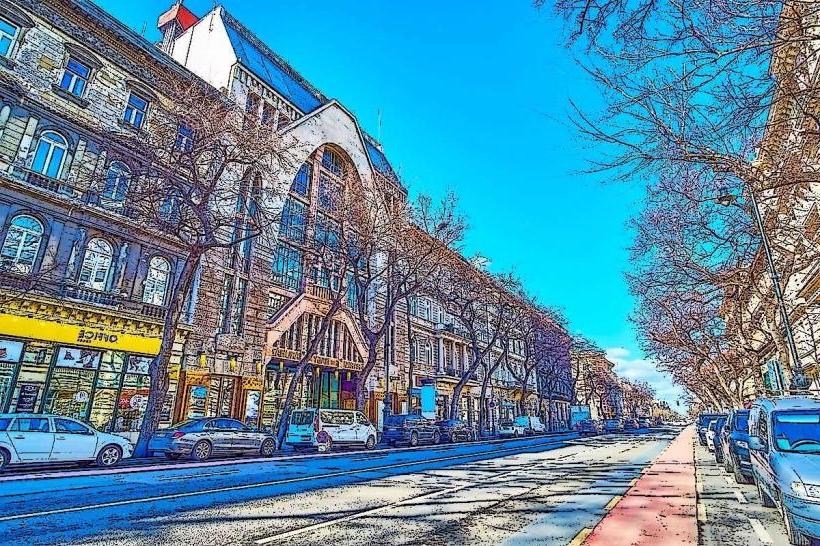
The street is characterized by late 19th and early 20th-century eclectic and Art Nouveau architecture. The northern section is densely packed with international retail storefronts, ornate stone facades, and wrought-iron balconies. The street is entirely paved with decorative stone and is free of vehicular traffic, featuring antique-style street lamps and narrow side alleys that lead toward the Danube embankment.
Location & Access Logistics
Váci Street is located in the heart of District V (Belváros).
Northern End: Accessible via Metro Line M1 at Vörösmarty tér or M2/M3 at Deák Ferenc tér.
Southern End: Accessible via Metro Line M4 or Tram lines 47, 48, and 49 at Fővám tér.
Access: The street is split into two halves by the busy Kossuth Lajos utca (at the foot of the Elisabeth Bridge). Both sections are strictly pedestrianized.
Historical & Ecological Origin
The street follows the line of a medieval road that led to the city of Vác. In the 18th century, it was the main street of Pest, housing the city’s wealthiest residents and most exclusive shops. Much of its current architectural profile dates to the 1880–1910 period, during Budapest's rapid expansion. It was one of the first streets in the city to be fully pedestrianized in the mid-20th century.
Key Highlights & Activities
Shopping: The northern half (Vörösmarty tér to Elisabeth Bridge) contains major international fashion brands and department stores.
Dining: The southern half (Elisabeth Bridge to Fővám tér) is more traditional, featuring gift shops, galleries, and numerous restaurants with outdoor terraces.
Architecture: Notable buildings include the Thonet House (Váci u. 11/a) with its colorful Zsolnay ceramic facade and the Philanthia Flower Shop (Váci u. 9), which retains its original Art Nouveau interior.
Infrastructure & Amenities
The street has consistent 5G cellular coverage throughout its length. Benches are positioned at regular intervals in the southern section. Public restrooms are scarce on the street itself, though facilities are available at the Vörösmarty tér metro station and the Central Market Hall. Numerous banks, currency exchange offices, and hotels are situated along the route.
Best Time to Visit
For shopping, standard business hours are 10:00 AM to 8:00 PM. Weekday mornings (before 11:00 AM) are the quietest times for walking. The street is most crowded during the December Christmas market season and summer afternoons. Evening visits provide a characteristically European atmosphere with illuminated facades and active outdoor dining.
Facts & Legends
During the medieval era, the city wall of Pest stood at the current location of the northern entrance; a commemorative plaque marks the site of the former Vác Gate. A common local tip: prices for meals and souvenirs on Váci Street are significantly higher than in the side streets; walking just two blocks away from the main thoroughfare typically yields more authentic prices.
Nearby Landmarks
Vörösmarty Square – 0.0km (Northern tip)
Central Market Hall – 0.0km (Southern tip)
St. Stephen's Basilica – 0.6km North
Elisabeth Bridge – 0.1km West (Midpoint)
Danube Promenade – 0.2km West