Landmark: Washoe Lake State Park
City: Carson City
Country: USA Nevada
Continent: North America
Washoe Lake State Park, Carson City, USA Nevada, North America
Washoe Lake State Park is a protected area situated in Washoe Valley, Nevada, between Reno and Carson City.
The park encompasses Washoe Lake, a shallow, alkaline body of water, and surrounding desert scrubland and grasslands.
Visual Characteristics
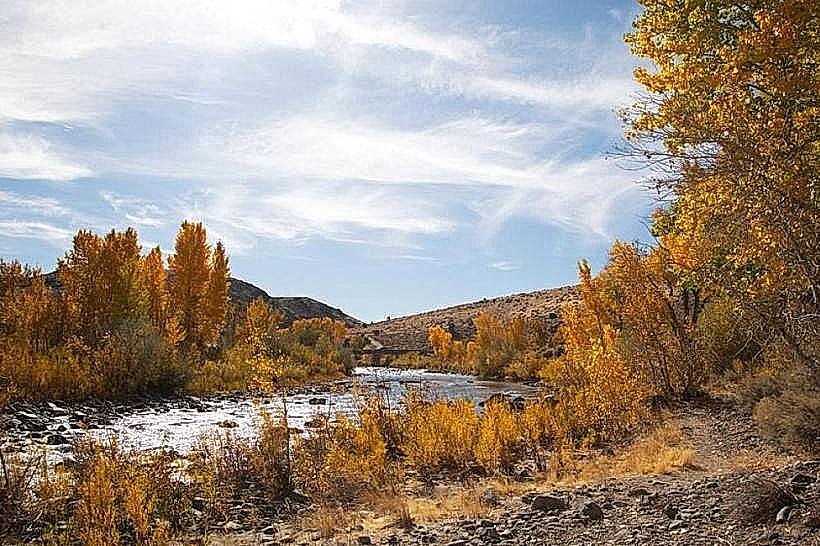
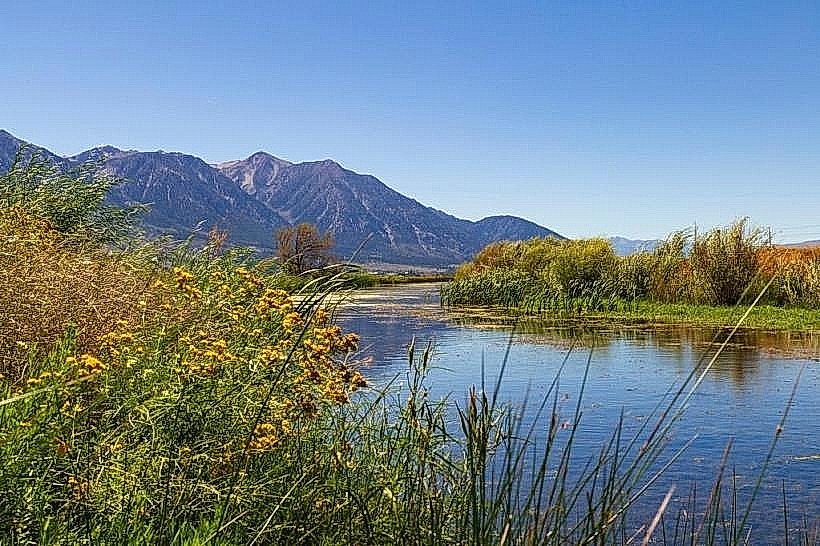
Washoe Lake is a shallow, saline lake with variable water levels. The lakebed is composed of fine silt and clay. The surrounding terrain consists of rolling hills covered in sagebrush, greasewood, and various grasses. Elevation ranges from approximately 4,900 feet (1,490 meters) at the lake surface to over 5,500 feet (1,680 meters) on the surrounding ridges. The dominant colors are muted earth tones, with blues and grays of the lake contrasting with the greens and browns of the vegetation.
Location & Access Logistics
The park is accessible via Interstate 580/U.S. Route 395. Take Exit 44 (Eastlake Boulevard) for the main park entrance. The park is approximately 10 miles north of Carson City and 15 miles south of Reno. Ample parking is available at designated lots near the lake and trailheads. No public transport directly serves the park; private vehicle is required.
Historical & Ecological Origin
Washoe Lake is a remnant of the much larger prehistoric Lake Lahontan, which covered a significant portion of western Nevada during the Pleistocene epoch. The lake is endorheic, meaning it has no outlet and water levels are primarily determined by precipitation and evaporation. The surrounding land is part of the Great Basin Desert ecosystem, characterized by arid conditions and specialized plant and animal life adapted to low water availability.
Key Highlights & Activities
Activities include birdwatching, particularly during spring and fall migration periods. Windsurfing and kiteboarding are popular when wind conditions are favorable. Hiking is available on trails such as the Washoe Lake Overlook Trail. Fishing for stocked rainbow trout is permitted in designated areas. Picnicking is possible at developed sites.
Infrastructure & Amenities
Restrooms are available at the main entrance and picnic areas. Some shaded picnic tables are provided. Cell phone signal (4G/5G) is generally available but can be intermittent in more remote park areas. No food vendors are located within the park; visitors should bring their own provisions.
Best Time to Visit
For birdwatching, the spring (March-May) and fall (September-November) months offer the highest diversity of species. Windsurfing and kiteboarding are best during afternoons when thermal winds typically develop, usually from April through October. Summer (June-August) can be very hot, with daytime temperatures frequently exceeding 90°F (32°C). Winter (December-February) can bring cold temperatures and occasional snow.
Facts & Legends
Washoe Lake is known for its fluctuating water levels, which can significantly impact its size and suitability for water sports. In dry years, large portions of the lakebed can become exposed. A local tip for photographers is to visit during the golden hour, shortly after sunrise or before sunset, for softer light on the surrounding hills and lake.
Nearby Landmarks
- Carson City Mint (4.5km South)
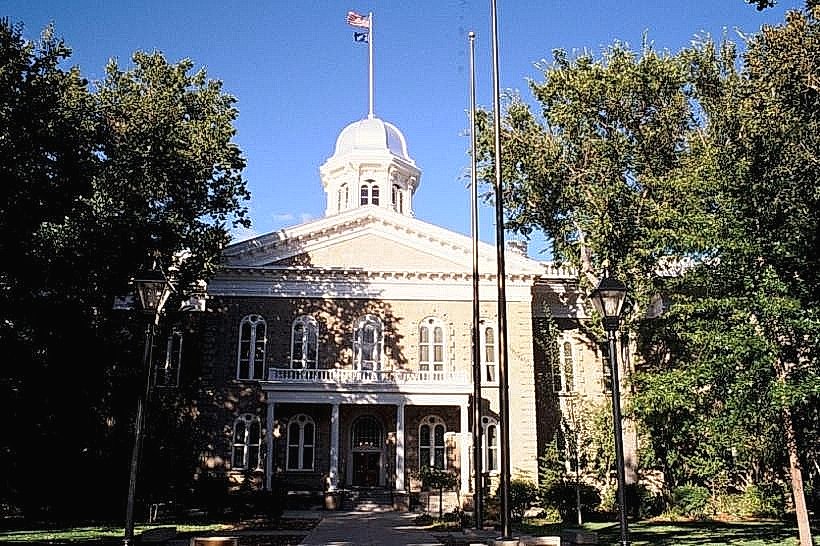
- Nevada State Capitol Building (5km South)
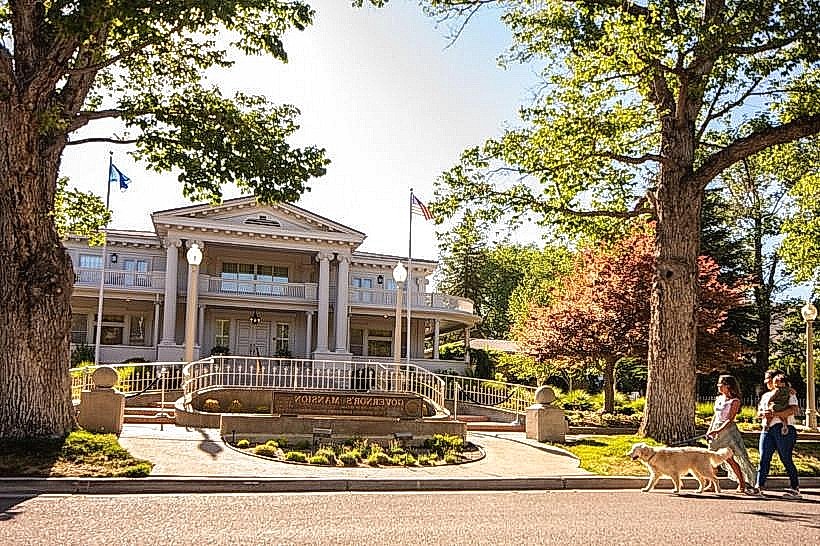
- Governor's Mansion (5.5km South)
- Virginia City Historic District (15km Southeast)
- Lake Tahoe (25km West)