Landmark: Qalhat Archaeological Site
City: Sur
Country: Oman
Continent: Asia
Qalhat Archaeological Site, Sur, Oman, Asia
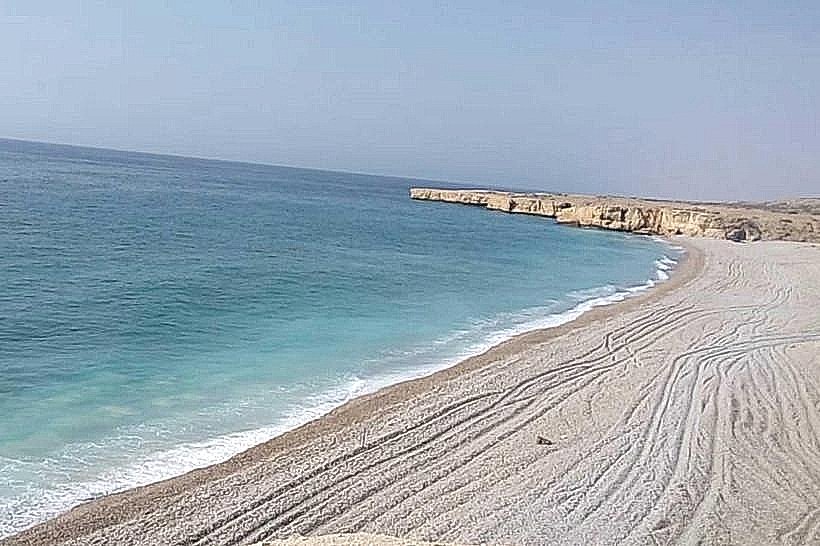
Qalhat Archaeological Site is a medieval coastal settlement located in the Al Sharqiyah South Governorate of Oman, approximately 20km north of Sur. It covers approximately 60 hectares and is a designated UNESCO World Heritage site situated on the shores of the Gulf of Oman.
Visual Characteristics
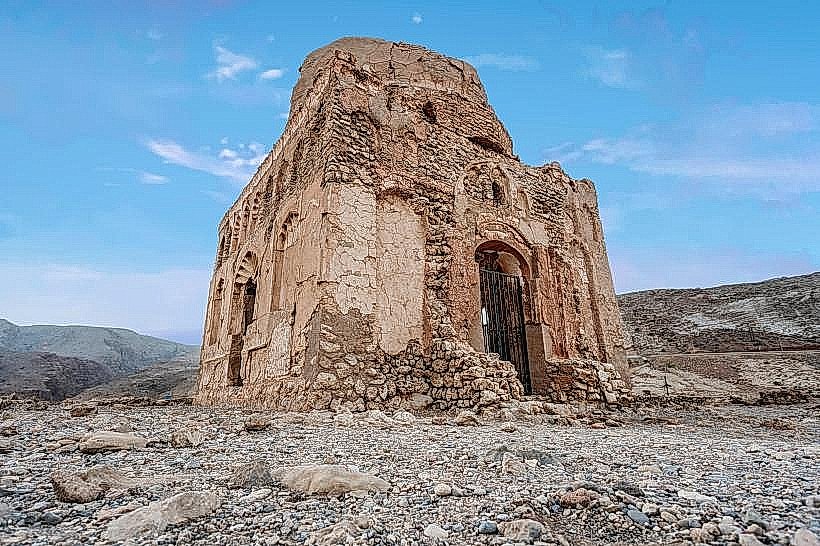
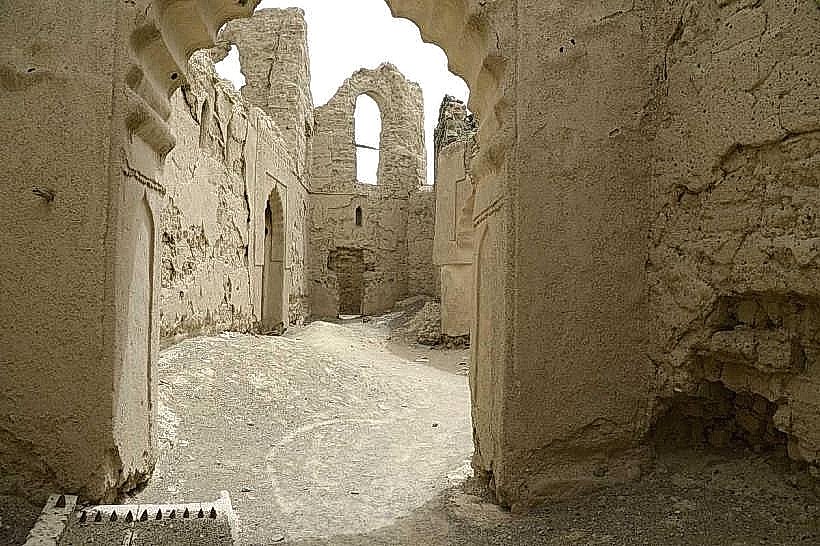
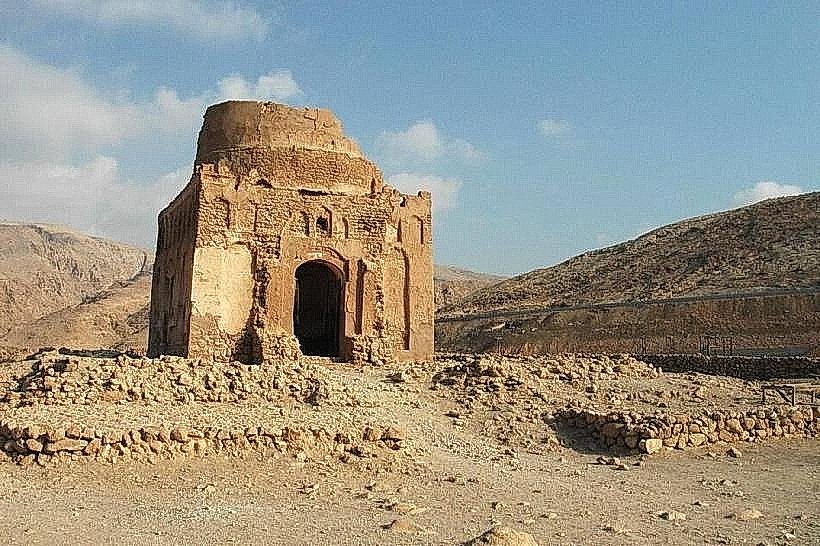
The site is characterized by an expansive field of grey limestone rubble, coral stone foundations, and sun-bleached masonry. The most prominent feature is the Bibi Maryam Mausoleum, a domed structure made of sarooj mortar and stone with faded turquoise glazed tile remnants. The topography is arid, flat, and lacks significant vegetation, bordered by a steep maritime cliff.
Location & Access Logistics
Access is via the Route 17 highway (Muscat-Sur Highway), with a marked turn-off between Tiwi and Sur. Visitors arrive at a gravel parking area near the visitor center. While the highway is accessible by any vehicle, the site requires walking on unpaved, rocky terrain; public transport options are limited to regional buses that drop passengers on the highway shoulder.
Historical & Ecological Origin
Founded as a major trading hub between the 11th and 15th centuries, Qalhat served as the second capital of the Kingdom of Hormuz. It was constructed on a natural terrace formed by tectonic uplift and coastal erosion. The city was abandoned following a series of earthquakes and Portuguese raids in the early 16th century.
Key Highlights & Activities
Walking tours are restricted to designated paths to preserve the fragile archaeological remains. Visitors can observe the Bibi Maryam Mausoleum and the ruins of the Great Friday Mosque, which features subterranean water cisterns. Self-guided exploration is facilitated by informational placards detailing the city's former residential and commercial sectors.
Infrastructure & Amenities
The site features a modern visitor center with climate-controlled exhibition space and restrooms. There is no shade available on the archaeological grounds themselves, and no food vendors are located on-site. 4G and 5G cellular signals are consistently strong across the plateau.
Best Time to Visit
The optimal months for visiting are November through February to avoid extreme desert heat. Photography is best during the "golden hour" (16:00 to 17:30) when the low sun emphasizes the textures of the stone ruins and the mausoleum’s remaining architectural details. The site is closed during high-wind events due to dust.
Facts & Legends
Legend states the Bibi Maryam Mausoleum was built by Bahauddin Ayez, the King of Hormuz, for his wife Maryam, though some historical accounts suggest she ruled the city herself after his death. A verified oddity is the presence of ancient Chinese porcelain shards embedded in the site's soil, proving the city's role in the transcontinental Silk Road trade.
Nearby Landmarks
Bibi Maryam Mausoleum (0.1km East)
Tiwi Village (20km North)
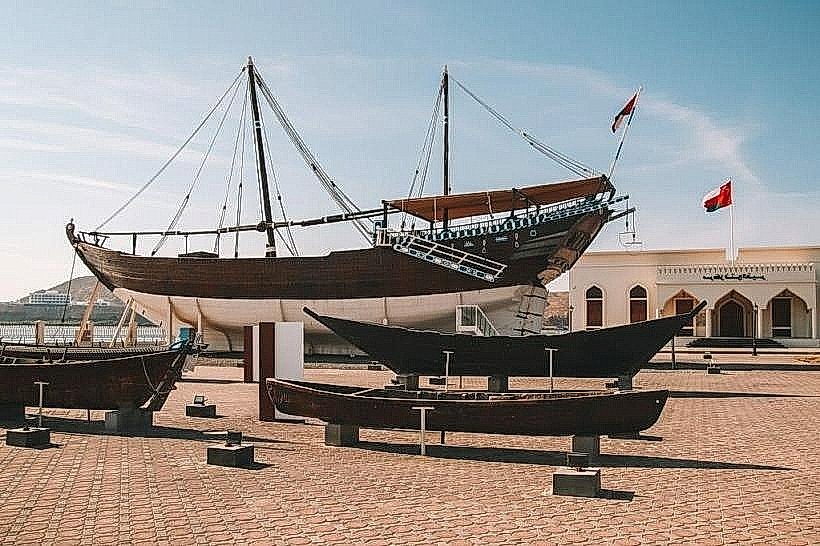
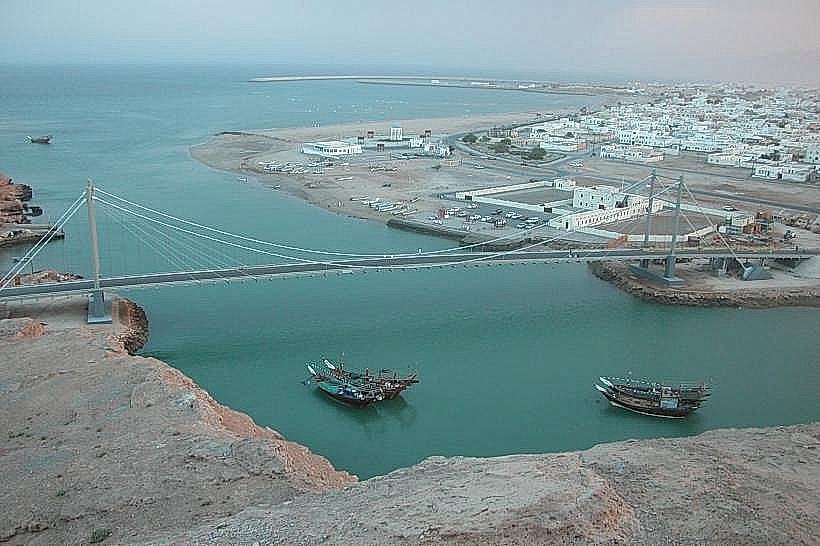
Sur Maritime Museum (22km South)
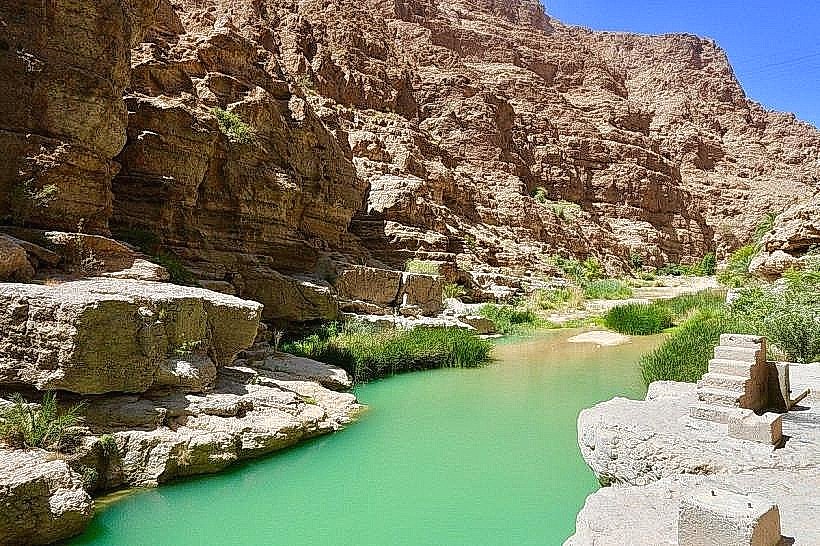
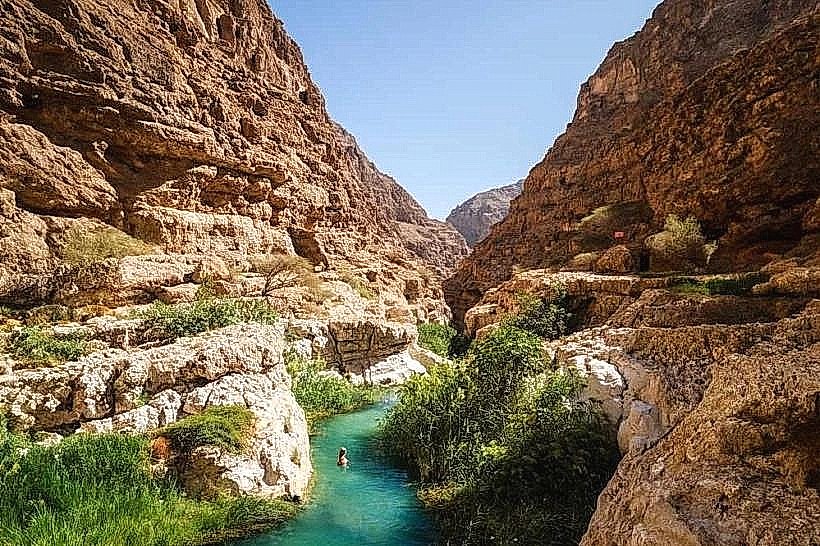
Wadi Shab (22km North)