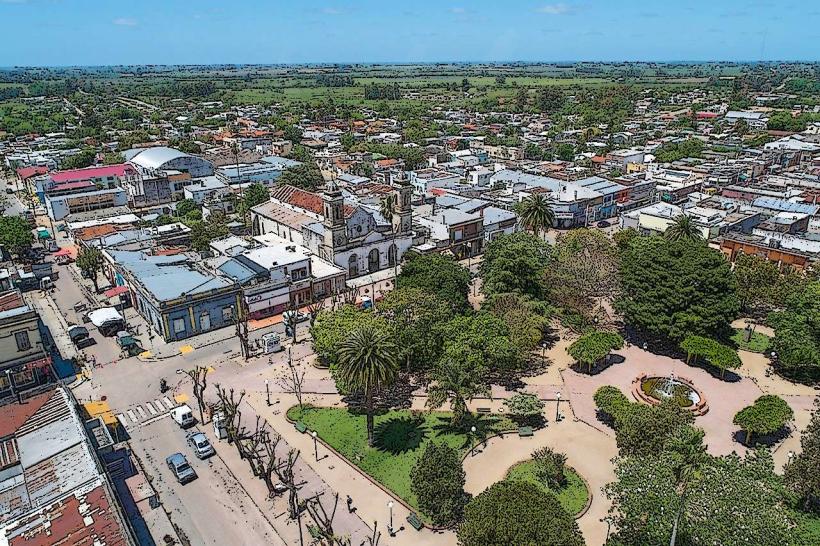
City: Canelones
Country: Uruguay
Continent: South America
Canelones, Uruguay, South America
Canelones serves as the administrative capital of the Canelones Department and the primary hub for Uruguay's viticulture and small-scale agriculture. It is located in the southern region of the country, approximately 45 kilometers north of Montevideo along the National Route 5.
Historical Timeline
The city was founded on June 10, 1782, by Juan Miguel de la Laguna, originally named Villa de Nuestra Señora de Guadalupe. Its governance transitioned from a colonial parish to a pivotal political site during the independence era, serving as the seat of the first Patriotic Government in 1813. The most significant architectural and political reconstruction occurred in the mid-20th century as it transitioned from a rural village to a satellite city within the metropolitan area. The 1813 creation of the first national flag (Pabellón Nacional) in this city remains the primary event shaping its historical identity.
Demographics & Population
The population within the city limits is approximately 20,000, while the department as a whole exceeds 520,000. The demographics are 91% of European descent (primarily Spanish and Italian), with small minorities of Mestizo and Afro-Uruguayan residents. The median age is 34.2 years.
Urban Layout & Key Districts
The city is organized on a traditional Spanish grid centered on the main plaza.
The Historic Center: Concentrated around Plaza 18 de Julio, containing the Cathedral and municipal buildings.
The Industrial Perimeter: Located along Route 5, housing the region’s primary wineries (bodegas) and cold storage facilities.
Paso de Palomeque: The southern entry point near the Canelón Chico stream, marking the city's geographical boundary.
Top City Landmarks
Cathedral of Our Lady of Guadalupe: A 19th-century church housing historical patriotic relics.
Poliportivo Las Piedras: A major regional sports and event complex located in the near vicinity.
The First Flag Monument: Commemorating the site where the national flag was designed.
Teatro Complejo Politeama: The city’s primary cultural venue, renovated for modern acoustics.
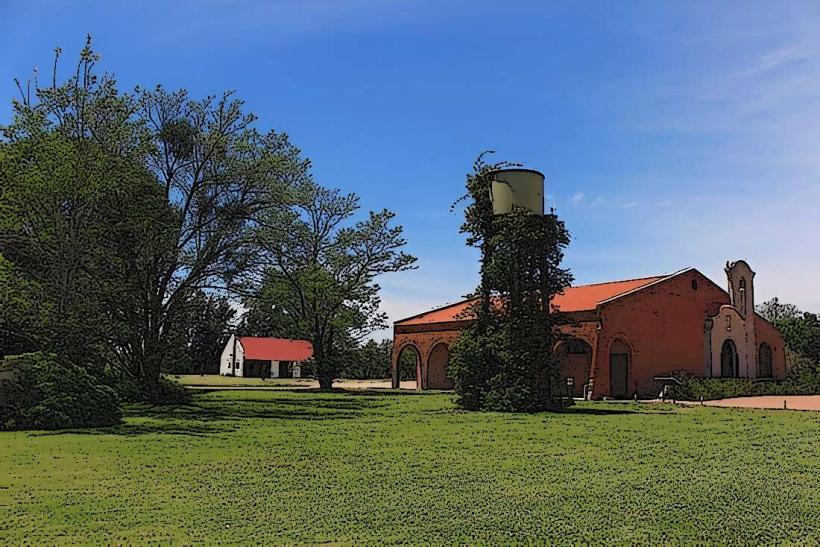
Juanicó Winery: Located 8km away, representing the region's industrial heritage.
Transportation Network
There are no metro or tram systems. Transit is facilitated by regional bus lines (COPSA and Zeballos) connecting to Montevideo every 15-30 minutes. Ride-sharing via Uber is available but less dense than in the capital. Official taxis are white and typically wait at the bus terminal or main plaza. Traffic density is low, though heavy truck traffic is constant on the bypass roads of Route 5.
Safety & "Red Zones"
The safety level is high, typical of provincial capitals. There are no designated "red zones." Safety risks are limited to minor petty theft during large public festivals. Avoid walking near unlit areas of the municipal park at late hours.
Digital & Financial Infrastructure
Average internet speed is 80 Mbps via Antel fiber. Main mobile carriers are Antel, Movistar, and Claro. Card acceptance is standard in supermarkets and gas stations, though smaller local shops prefer cash. ATMs (RedBROU/Banred) are concentrated in the central commercial district.
Climate & Air Quality
Temperatures range from 17°C to 31°C in summer (January–February) and 6°C to 14°C in winter (June–August). Air quality is exceptionally high due to the surrounding agricultural green belt. Frost is common in the early mornings of July.
Culture & Social Norms
Tipping: 10% is standard in restaurants.
Greeting: A single kiss on the cheek is the social standard.
Schedules: The city follows a traditional "siesta" schedule; most shops close between 12:30 and 15:00.
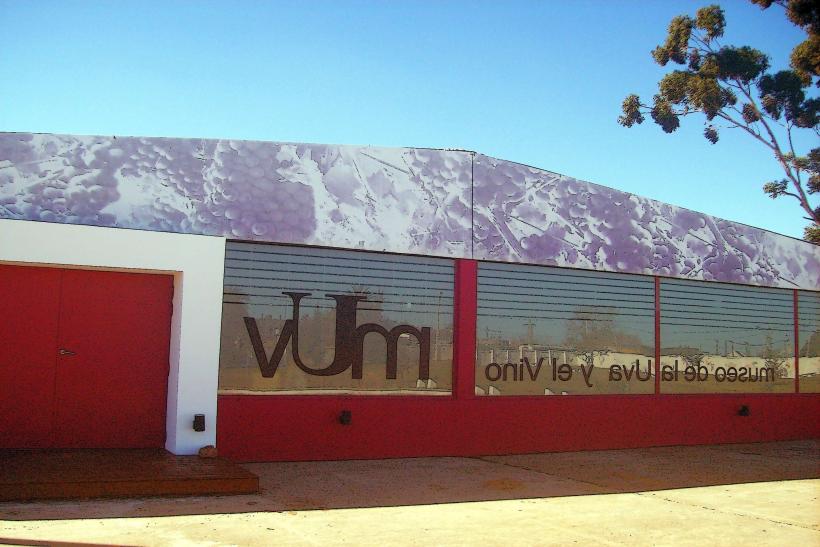
Tradition: The city is the center of the "Fiesta de la Vendimia" (Harvest Festival), celebrating its wine culture.
Accommodation Zones
City Center: Stay here for logistical access to government offices and historical sites.
Rural Estancias: Stay in the outskirts (e.g., near Juanicó) for vineyard stays and agritourism.
Local Cost Index
1 Espresso: 140 UYU ($3.60 USD)
1 Standard Lunch: 450 UYU ($11.50 USD)
1 Bus Ticket (to Montevideo): 95 UYU ($2.40 USD)
Nearby Day Trips
Areguá (Paraguay): N/A (International).
Santa Lucía: 20 km (Riverside parks and historical estates).
Las Piedras: 25 km (Historical battlefield and regional trade center).
Montevideo: 45 km (National capital).
Facts & Legends
A local legend claims that the ghost of a Spanish soldier guards the crypt of the Cathedral, dating back to the British Invasions. A verified historical oddity is that the city of Canelones was the "First Capital" of the independent Uruguay in 1813, long before the government was permanently established in Montevideo.