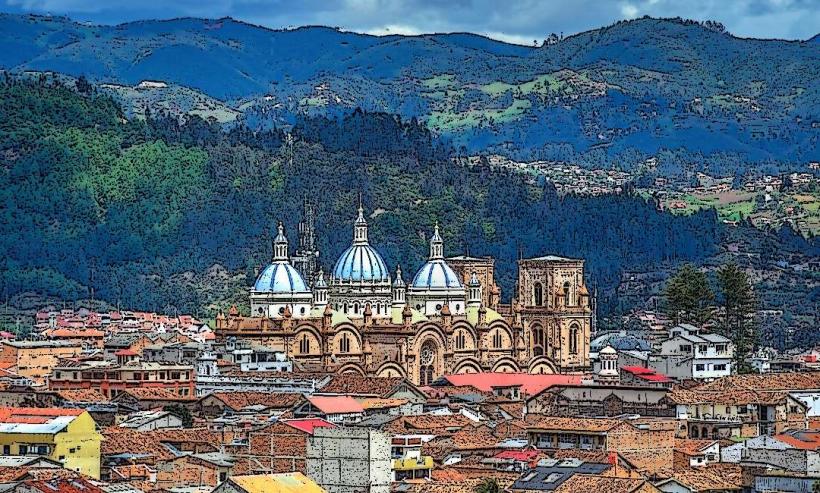
City: Cuenca
Country: Ecuador
Continent: South America
Cuenca, Ecuador, South America
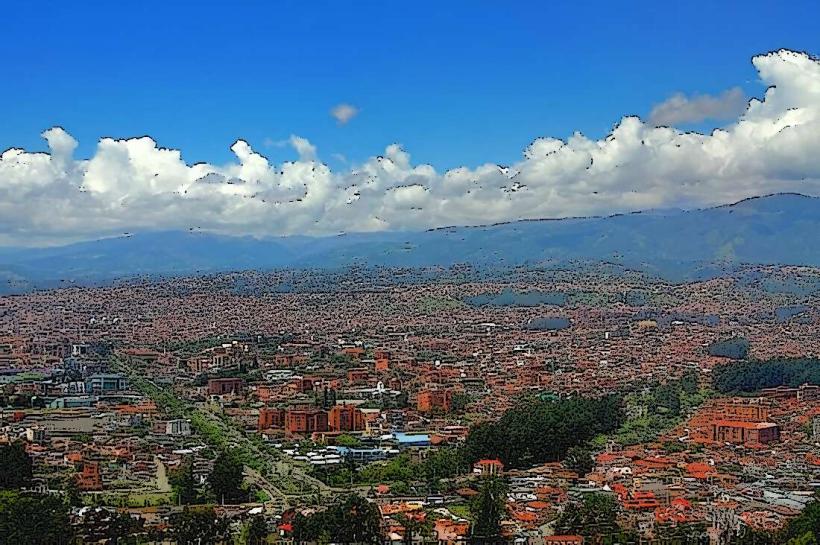
Cuenca (officially Santa Ana de los Cuatro Ríos de Cuenca) is the capital of the Azuay Province and the third-largest city in Ecuador. It is located in the southern highlands at an elevation of 2,560m.
Historical Timeline
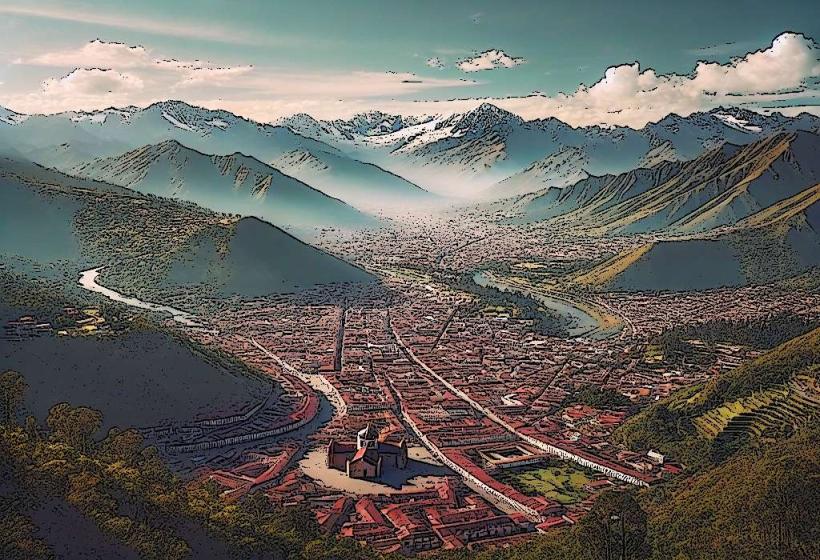
The city was founded on April 12, 1557, by Gil Ramírez Dávalos on the orders of Viceroy Andrés Hurtado de Mendoza. It was built on the ruins of the Inca city of Tomebamba, which itself had been built over the Cañari settlement of Guapondeleg. Cuenca was a pioneer in South American urban planning, earning its UNESCO World Heritage status in 1999 for its well-preserved, orthogonal (grid) colonial layout.
Demographics & Population
The estimated 2026 population for the metropolitan area is 730,000. The demographic is a mix of Mestizo, European-descendant, and Cañari-descendant populations. It is home to one of the largest communities of North American and European retirees in Latin America.
Urban Layout & Key Districts
The city is defined by the four rivers that cross it: Tomebamba, Yanuncay, Tarqui, and Machángara.
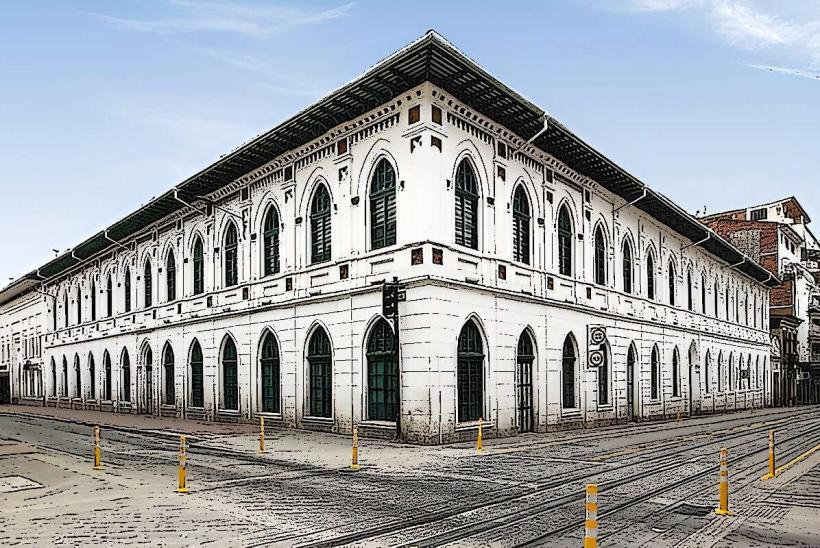
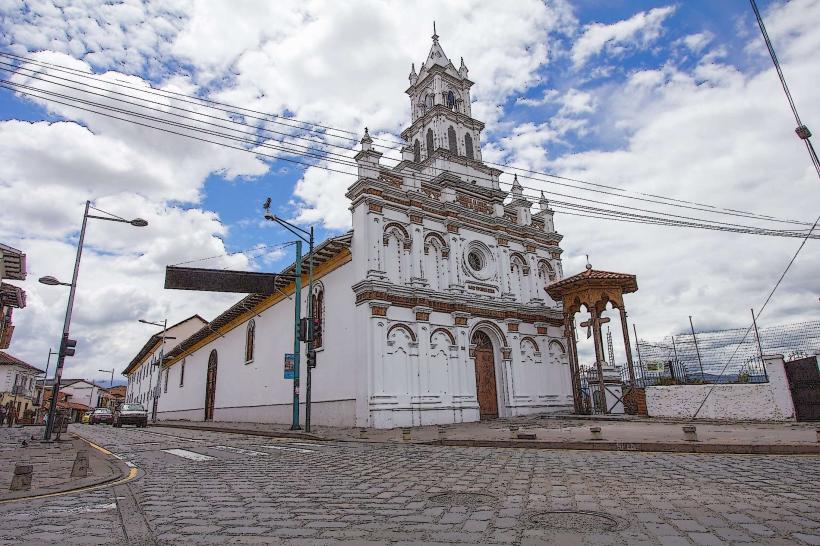
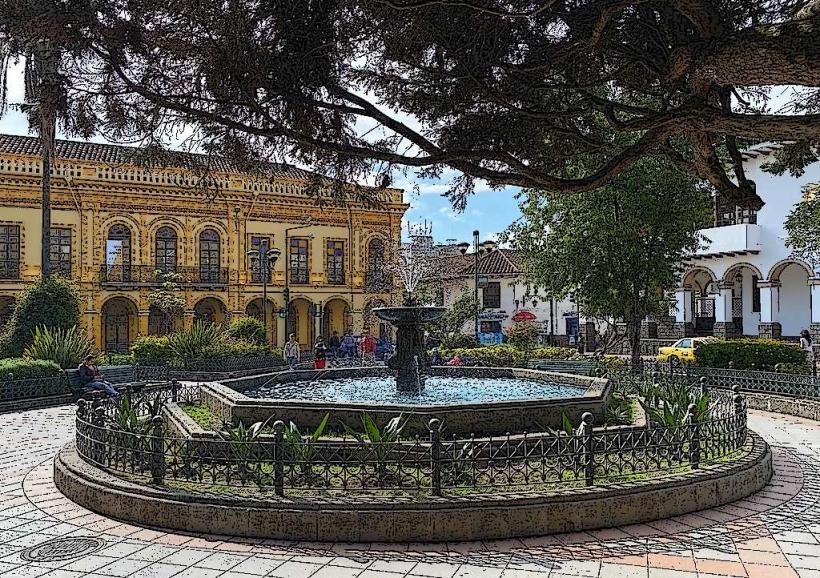
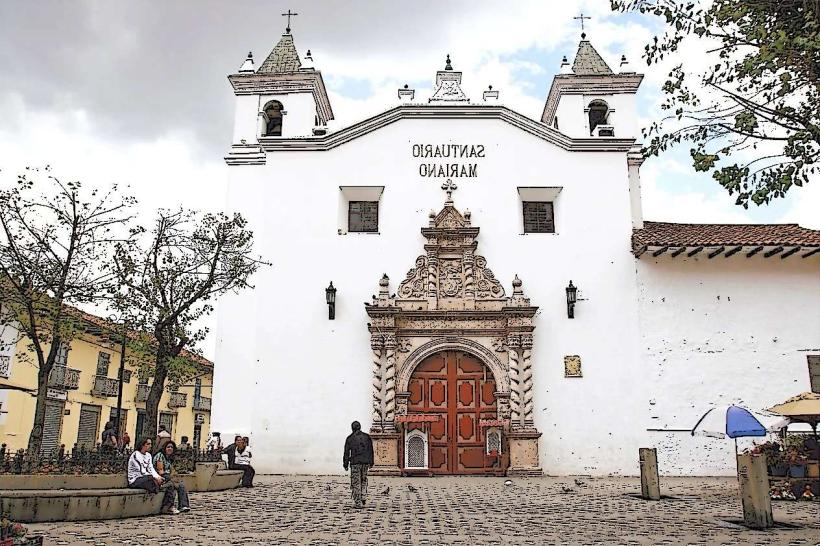
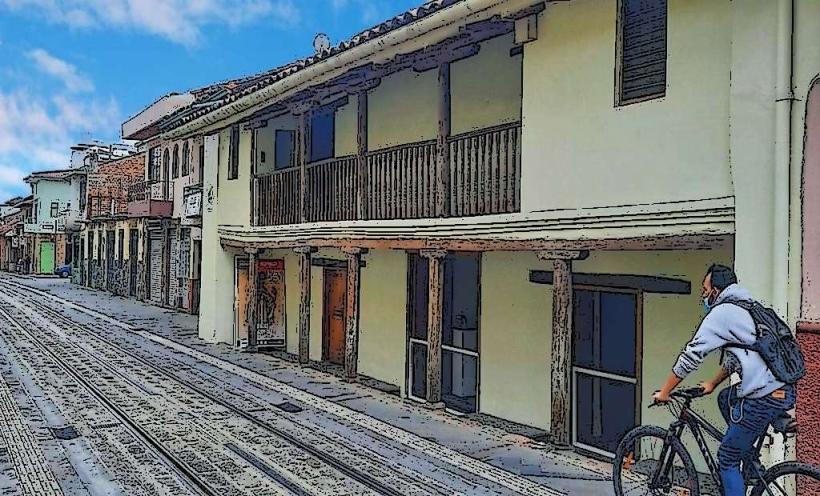
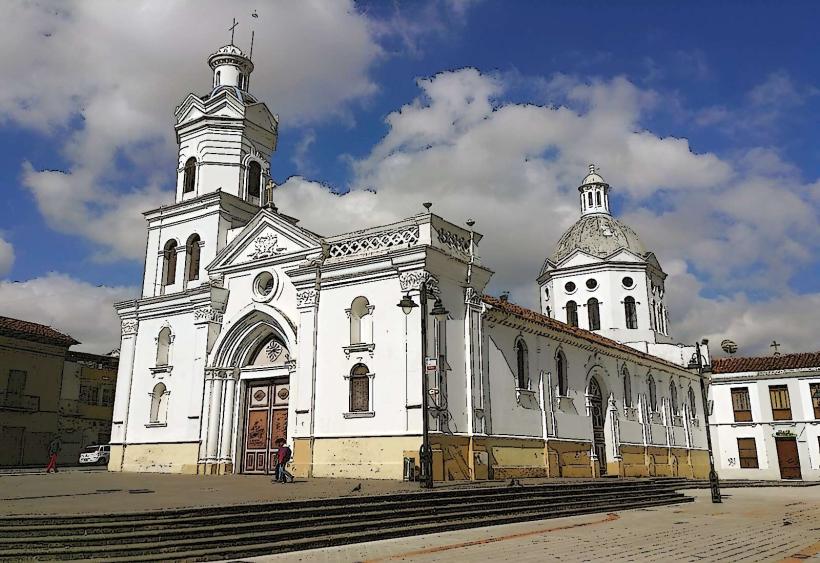
Centro Histórico: The colonial heart with cobblestone streets, white-walled houses, and iconic blue-domed cathedrals.
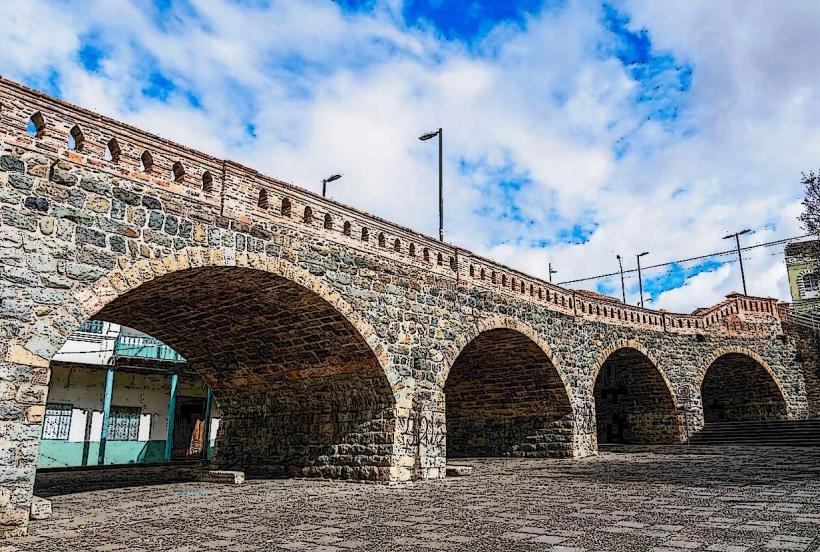
El Barranco: The picturesque cliffside area along the Tomebamba River that separates the old city from the modern districts.
Puertas del Sol: A modern residential and commercial area popular for its green spaces and riverfront paths.
Top City Landmarks
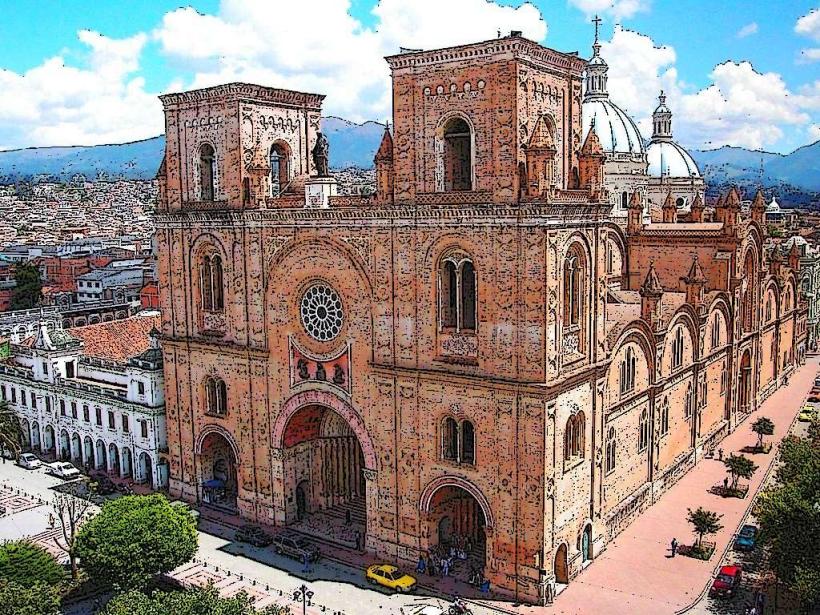
Catedral de la Inmaculada Concepción (New Cathedral): Famous for its giant sky-blue domes and Italian marble floors.
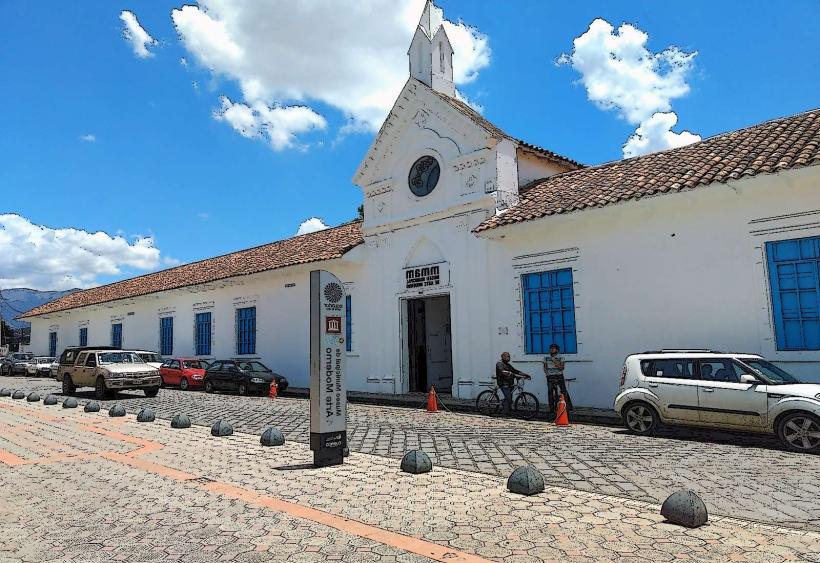
Catedral Vieja (Old Cathedral): Built in 1557; now functions as a museum of religious art.
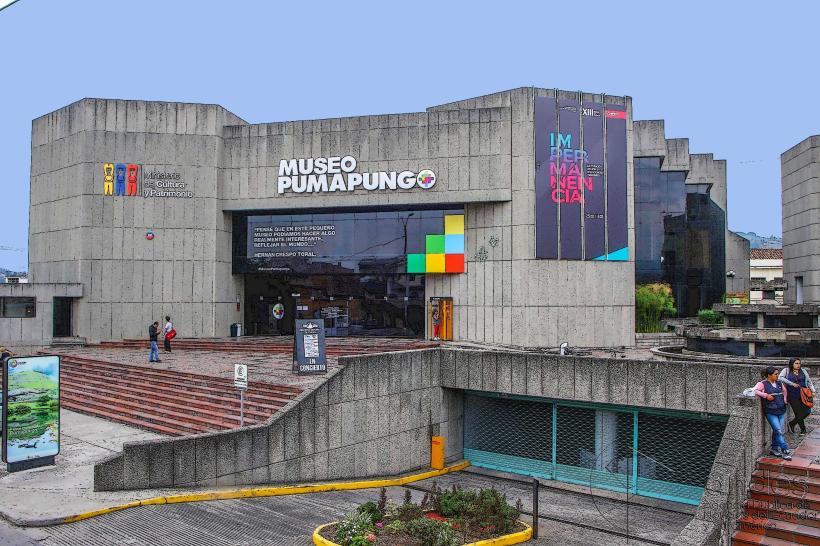
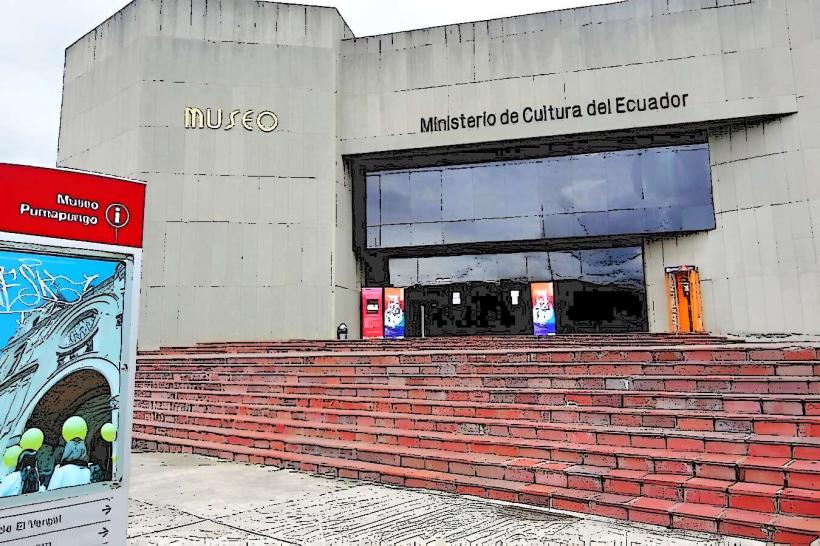
Pumapungo Archaeological Park: Site of Incan ruins, an ethnobotanical garden, and a museum.
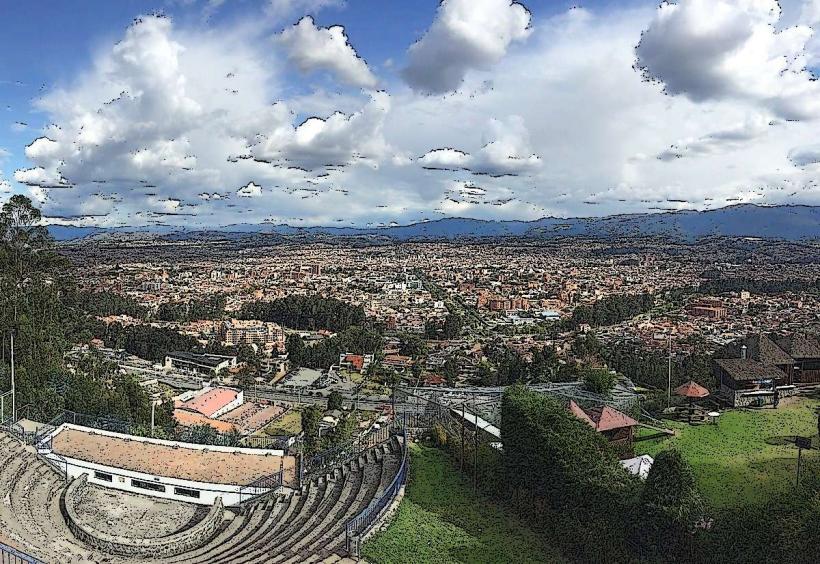
Mirador de Turi: A hilltop church and viewpoint offering a panoramic vista of the entire city.
Panama Hat Factories: Cuenca is the world's primary producer of authentic "Panama" hats (Toquilla straw hats).
Transportation Network
Tranvía de Cuenca: The city features a modern tram system, the largest in Ecuador, serving as the main north-south transit corridor.
Air: Mariscal Lamar International Airport (CUE) is located within the city limits.
Buses: A centralized terminal (Terminal Terrestre) connects to Quito (9 hours) and Guayaquil (3.5 hours).
Ride-sharing: Uber and Indriver are widely used.
Safety & "Red Zones"
Cuenca is considered the safest major city in Ecuador. However, basic precautions are necessary.
Red Zones: Avoid the area around 9 de Octubre Market and the Terminal Terrestre late at night.
Scams: Beware of unofficial "tour guides" in the main plaza (Parque Calderón).
Digital & Financial Infrastructure
Average internet speed is 100-200 Mbps via fiber optics (Etapa/Netlife). The official currency is the US Dollar ($). Card acceptance is very high in restaurants and shops. ATMs are ubiquitous throughout the historic center.
Climate & Health
The climate is subtropical highland, with average temperatures of 14°C to 22°C. The air quality is exceptionally high. Travelers may experience mild altitude symptoms, though it is less severe than in Quito or La Paz.
Local Cost Index
1 Standard Lunch (Almuerzo): $3.50–$5.50 USD
1 Espresso: $2.25 USD
1 Tram Fare: $0.35 USD
Nearby Day Trips
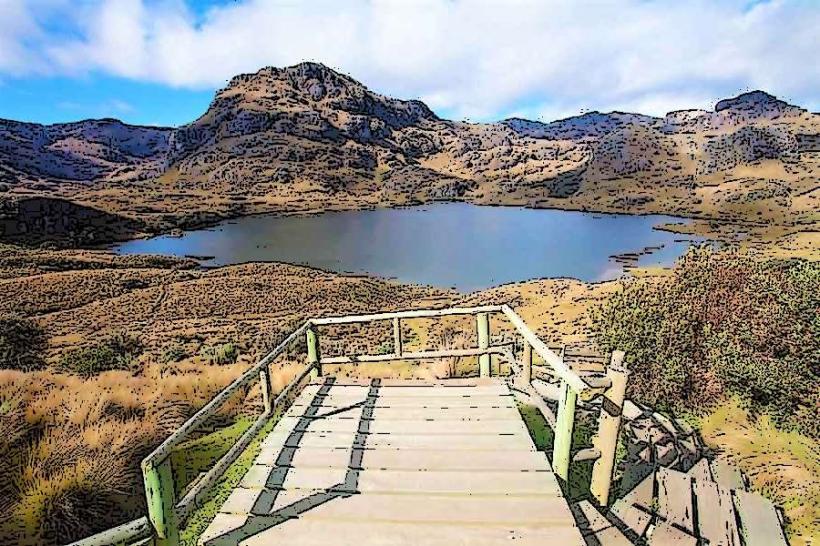
Cajas National Park: 30 km (High-altitude tundra with over 200 lakes).
Ingapirca: 80 km (Ecuador’s most significant Incan archaeological site).
Gualaceo and Chordeleg: 35 km (Known for traditional textiles and silver filigree jewelry).
Facts & Legends
A local legend claims that the Tomebamba River is protected by the "Mama Huaca," a spirit who lives in the surrounding mountains and can either bless the harvest or cause destructive floods depending on how the people treat the land. Historically, Cuenca was so isolated from the rest of Ecuador until the mid-20th century that it developed a distinct, sing-song accent and a highly conservative, aristocratic culture.