Information
City: LagosCountry: Nigeria
Continent: Africa
Lagos, Nigeria, Africa
Lagos is the largest city in Nigeria and the economic powerhouse of West Africa. As of January 2026, it is a rapidly expanding megacity characterized by extreme population density, massive infrastructure projects designed to mitigate its chronic traffic congestion, and a thriving tech and creative ecosystem.
Historical Timeline
1472: Named "Lagos" by Portuguese explorer Rui de Sequeira.
1861: Formally annexed as a British colony.
1960–1991: Served as the capital of independent Nigeria before the seat of government moved to Abuja.
2023–2024: Launch of the Blue Line and Red Line rail systems, marking the beginning of the city's modern mass transit era.
2026: In January 2026, the city is finalizing financing for the Lagos–Calabar Coastal Highway and preparing for the 10th anniversary of the SAIPEC energy conference.
Demographics & Population
The metro area population is estimated at 17.8 million in early 2026.
Growth: Increasing at an annual rate of approximately 3.78%, adding over 600,000 residents per year.
Urban Density: One of the most densely populated cities globally, with high-rise luxury on the "Islands" contrasting with massive, informal settlements on the "Mainland."
Urban Layout & Key Districts
Lagos Island: The historic business heart and central business district.
Victoria Island (VI): The primary financial hub, home to multinational corporations, luxury hotels, and upscale nightlife.
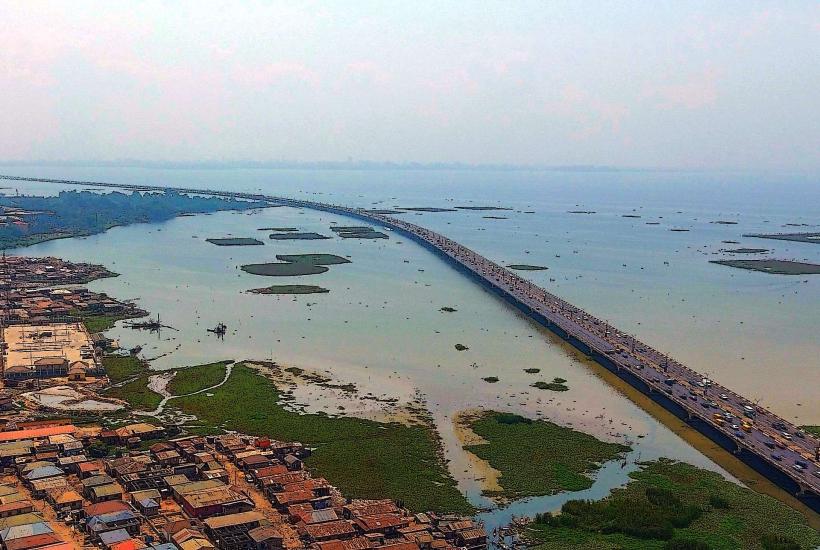
Ikoyi: An elite residential enclave featuring the city's most expensive real estate and the iconic Lekki-Ikoyi Link Bridge.
Lekki: A fast-developing peninsula hosting the Lekki Free Trade Zone, the Dangote Refinery, and numerous gated communities.
Ikeja: The state capital on the Mainland, housing government offices and the international airport.
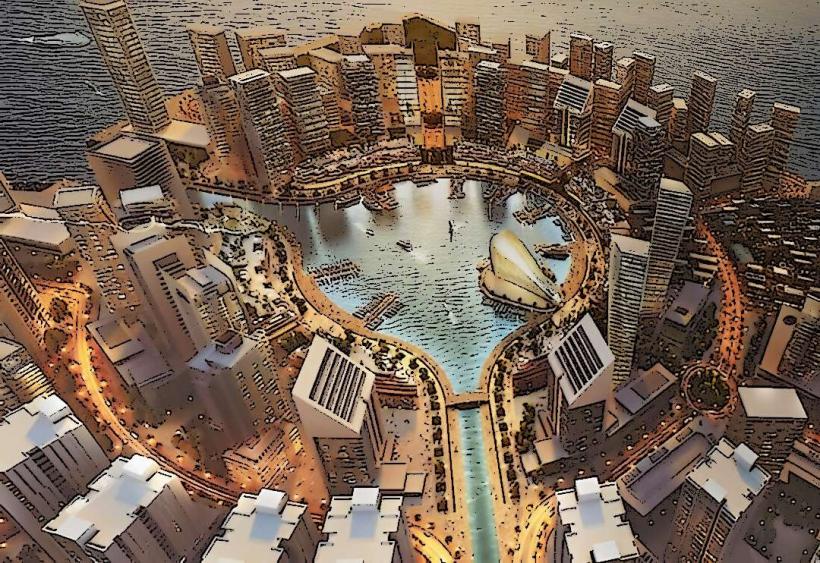
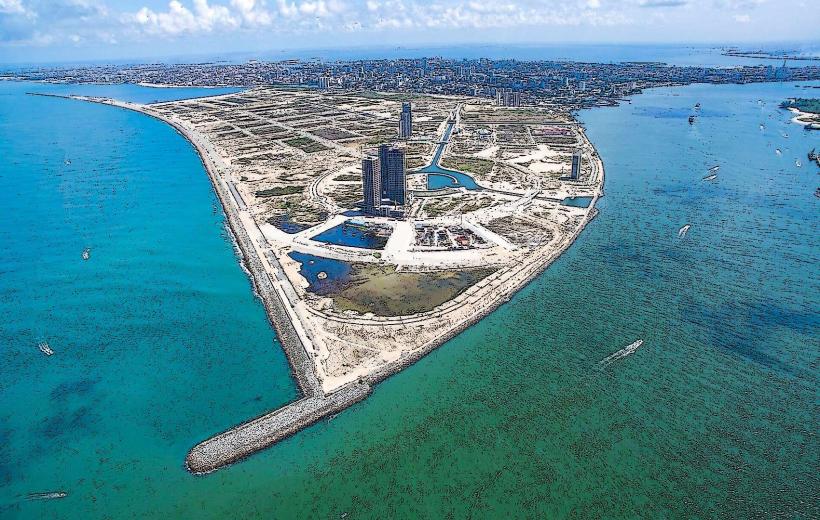
Eko Atlantic: A massive land reclamation project intended to be a new financial district protected by the "Great Wall of Lagos" sea barrier.
Top City Landmarks
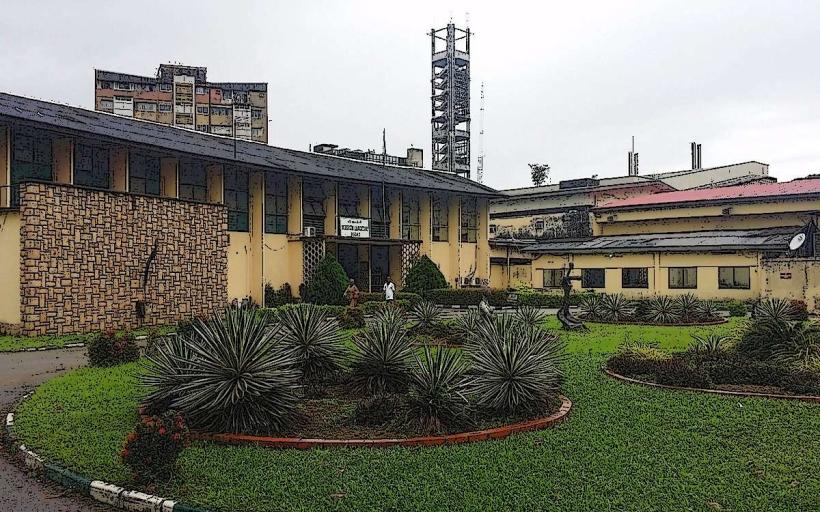
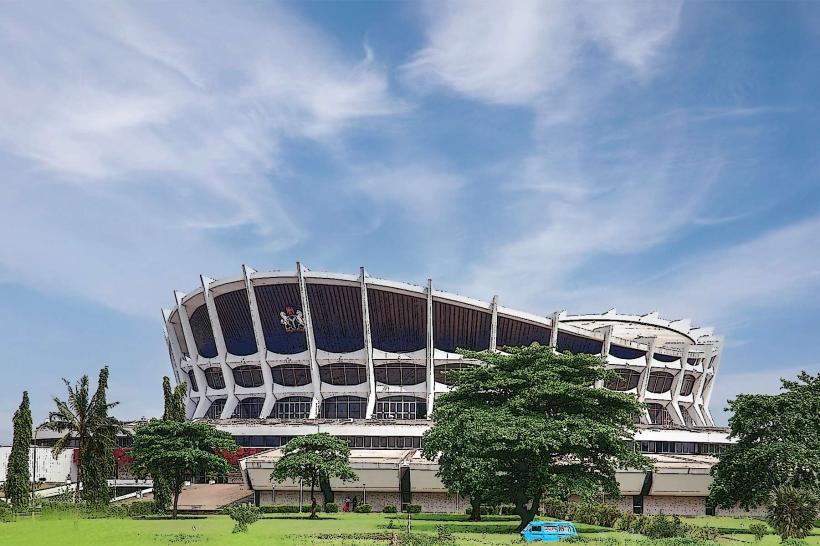
The National Museum: Located in Onikan; houses significant Nigerian art and archaeological artifacts.
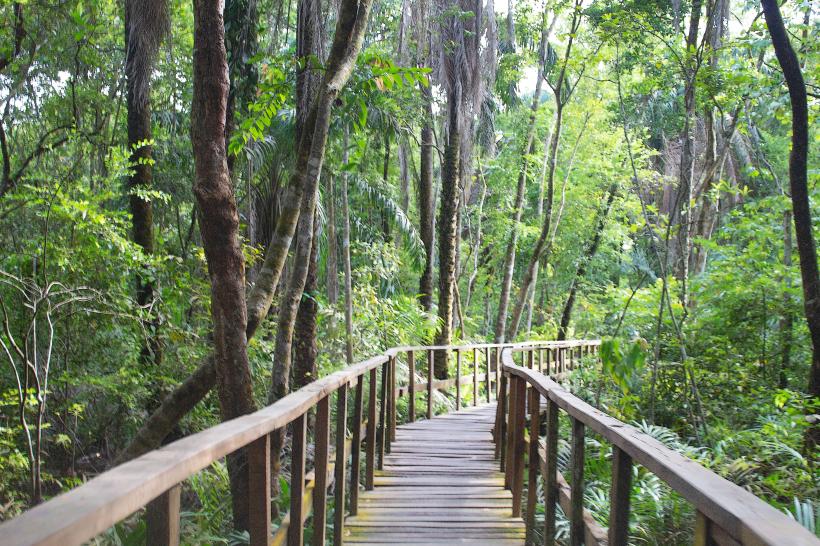
Lekki Conservation Centre: A $78\text{-hectare}$ nature reserve featuring the longest canopy walkway in Africa.
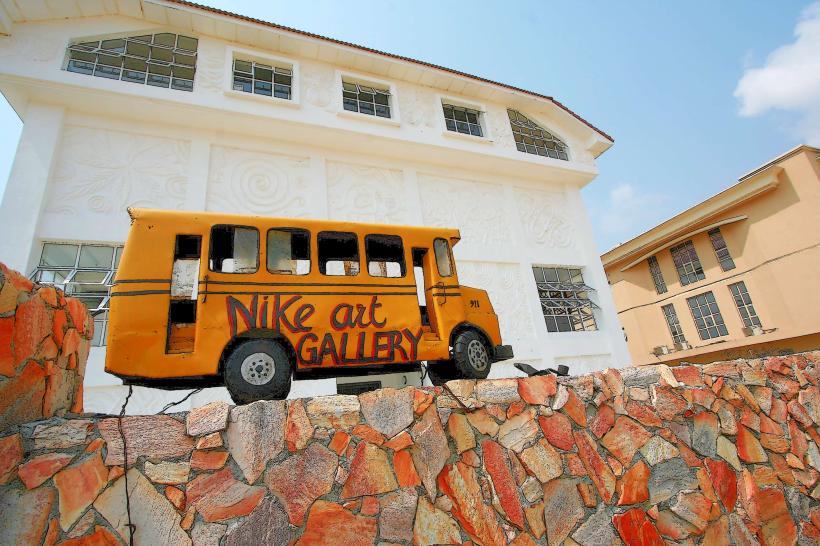
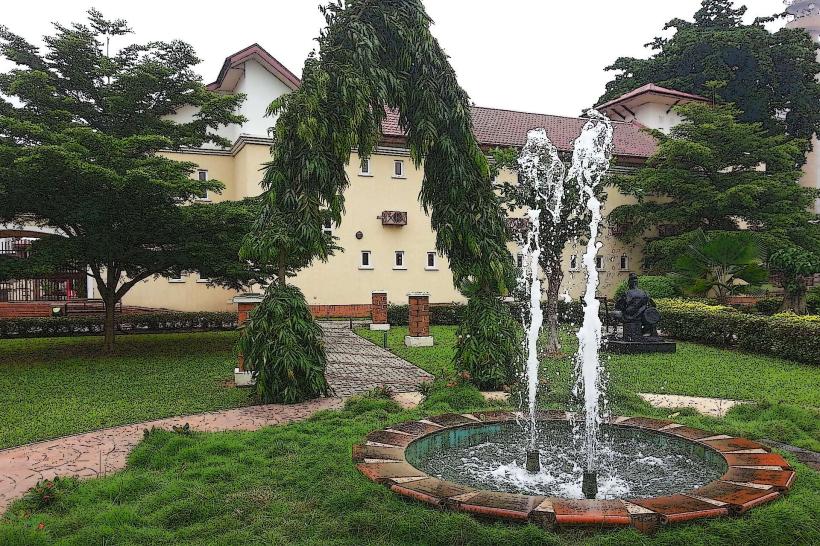
Nike Art Gallery: A four-story cultural center in Lekki containing thousands of pieces of contemporary and traditional Nigerian art.
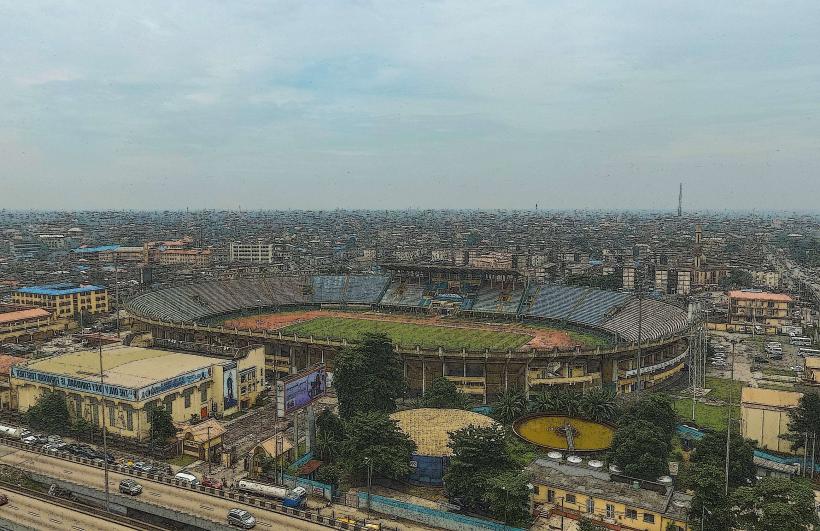
Tafawa Balewa Square (TBS): A massive ceremonial ground that hosts national festivals and large-scale religious gatherings.
Freedom Park: A memorial and leisure park on the site of a former colonial prison.
Transportation & Infrastructure
Lagos Rail Mass Transit (LRMT):
Blue Line: Electric-powered, running from Marina to Mile 2.
Red Line: Diesel-powered, operational between Agbado and Oyingbo as of late 2024. Phase 2 (extension to Marina) is under active construction in 2026.
Aviation: Murtala Muhammed International Airport (LOS) is the primary gateway, currently undergoing phased terminal modernizations.
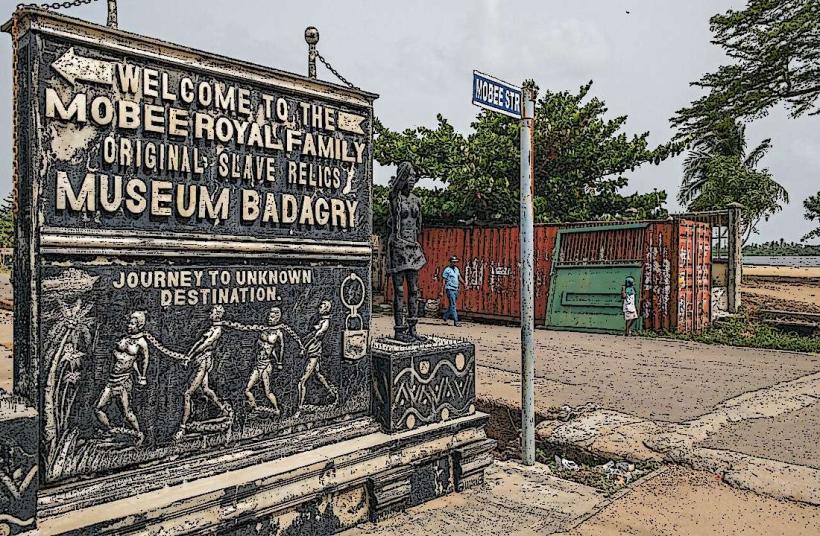
Waterways: The Lagos Ferry Services (LAGFERRY) has expanded significantly to bypass road traffic, connecting Ikorodu, Badagry, and VI.
Coastal Highway: Work is progressing on the $13B Lagos–Calabar Coastal Highway, with Phase 1 Section 2 (Eleko to Ode-Omi) securing major funding in December 2025.
Safety & Health
Travel Advice: As of January 19, 2026, international advisories (NZ/AU/CA) recommend "Exercise Increased Caution" within Lagos due to crime and the threat of terrorism. Avoid all non-essential travel to many northern and Delta states.
Crime: High rates of armed robbery, mugging, and carjacking occur, particularly after dark. Use pre-arranged transport or hotel cars; avoid public buses (danfos).
Health: Proof of Yellow Fever vaccination is mandatory for entry. Malaria is endemic; antimalarial prophylaxis is strongly recommended.
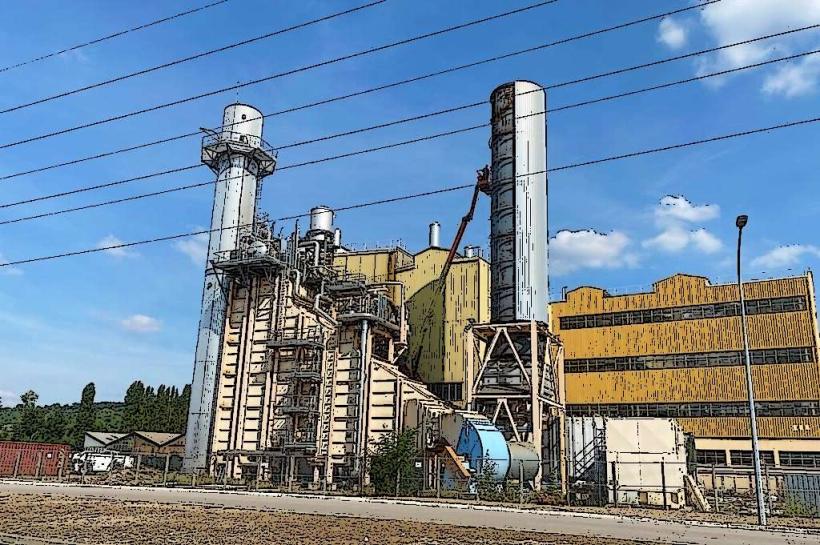
Pollution: Air quality in Lagos is often poor due to traffic emissions and private power generators.
Local Cost Index (2026 Estimates)
1 USD: 1,430–1,500 NGN (Stabilized range as of Jan 2026).
Monthly 1-Bedroom Rent (Island): ₦3M–₦6M annually ($2,000–$4,000 USD).
Mid-range Restaurant Meal: ₦8,000–₦15,000 ($5.50–$10 USD).
Petrol: ₦650 per litre.
1 Ride-hailing Trip (Short): ₦2,500+.
Facts & Legends
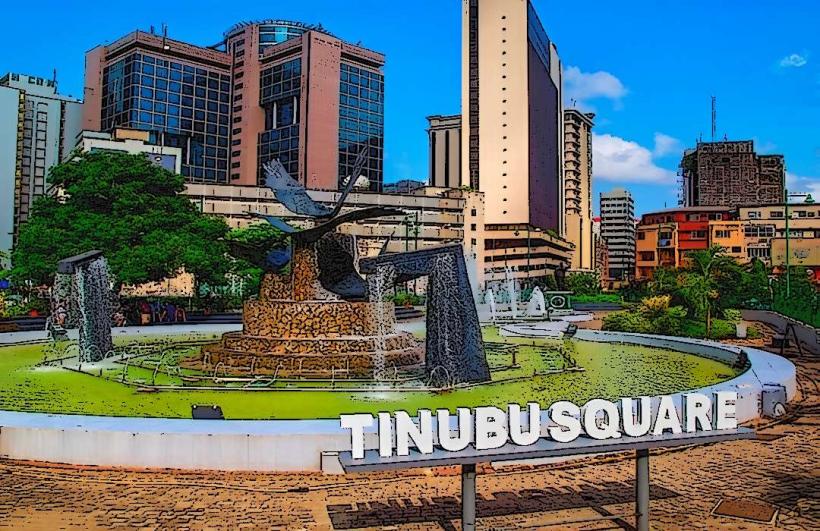
A verified historical oddity is that Eko Atlantic is built on land reclaimed from the Atlantic Ocean using 95 million tons of sand, effectively reversing 100 years of coastal erosion. A prominent local legend is that of the "Madam Tinubu" square; while now a commercial hub, it is named after a powerful 19th-century kingmaker and trader who was both a formidable anti-colonial figure and a controversial slave trader, personifying the complex layers of Lagosian history.