Information
Landmark: Badagry Slave MuseumCity: Lagos
Country: Nigeria
Continent: Africa
Badagry Slave Museum, Lagos, Nigeria, Africa
The Badagry Slave Museum is a historical site located in Badagry, a town within the Lagos State of Nigeria. It documents the history of the transatlantic slave trade in the region.
Visual Characteristics
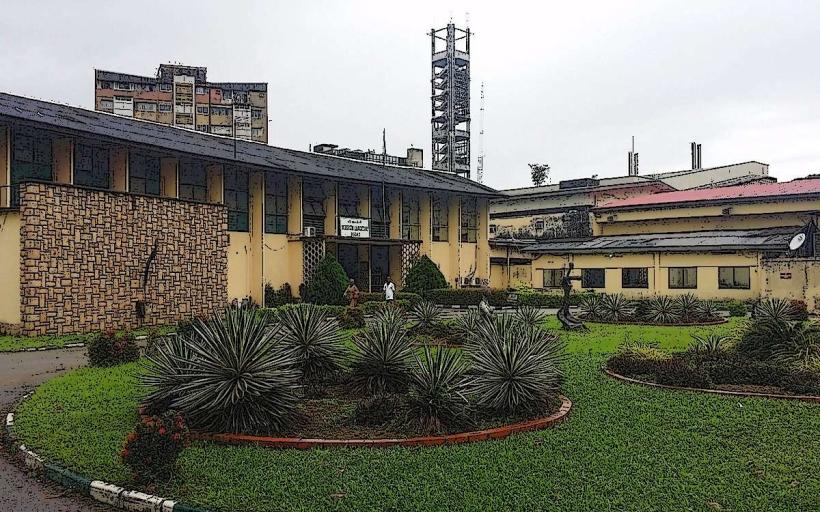
The museum is housed in a colonial-era building constructed primarily from red brick. The structure features a pitched roof and arched windows, typical of early 20th-century architecture in West Africa. The interior displays are organized within several rooms, featuring artifacts and informational panels.
Location & Access Logistics
The museum is situated in the heart of Badagry town, approximately 100 kilometers west of Lagos Island. Access is via the Lagos-Badagry Expressway. Public transportation options include commercial buses (danfo) and shared taxis traveling from Lagos to Badagry. Upon arrival in Badagry, local taxis or motorcycles can be hired to reach the museum, which is centrally located near the waterfront. Parking is available on adjacent streets, though it can be limited during peak hours.
Historical & Ecological Origin
The building itself dates back to the late 19th or early 20th century, serving various administrative purposes during the colonial period before its conversion into a museum. Its historical significance lies in its direct connection to the slave trade routes that passed through Badagry, a major port for the export of enslaved people.
Key Highlights & Activities
Visitors can view exhibits detailing the history of the slave trade, including chains, shackles, and personal accounts. A key feature is the "Point of No Return," a memorial marking the departure point for enslaved individuals. Guided tours are available, providing context and historical narrative.
Infrastructure & Amenities
Restrooms are available on-site. Limited shaded areas are present within the museum building. Cell phone signal (4G) is generally available in the vicinity. Food vendors and small shops are located on the main street leading to the museum.
Best Time to Visit
The best time to visit is during the dry season, from November to March, to avoid heavy rainfall. Mid-morning (9:00 AM - 11:00 AM) offers optimal lighting for viewing exhibits and generally fewer crowds. The site is accessible year-round during daylight hours.
Facts & Legends
A significant artifact displayed is the "Slave Cannon," a cannonball that was allegedly used to execute enslaved people who resisted during the journey to the ships. Local oral history also speaks of the "Tree of Remembrance," a tree under which enslaved people were allegedly forced to dance until they collapsed before being shipped.
Nearby Landmarks
- 0.3km West: Badagry Marina
- 0.8km North: First Story Building in Nigeria
- 1.2km Southwest: Slave Barracoon