Information
Landmark: Lagos IslandCity: Lagos
Country: Nigeria
Continent: Africa
Lagos Island, Lagos, Nigeria, Africa
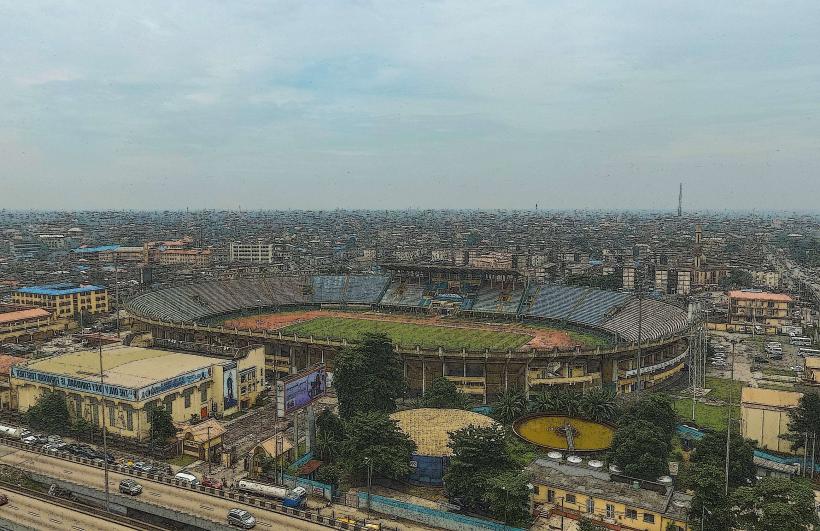
Lagos Island is a major commercial and administrative center located in Lagos, Nigeria. It is one of the principal islands that form the city of Lagos.
Visual Characteristics
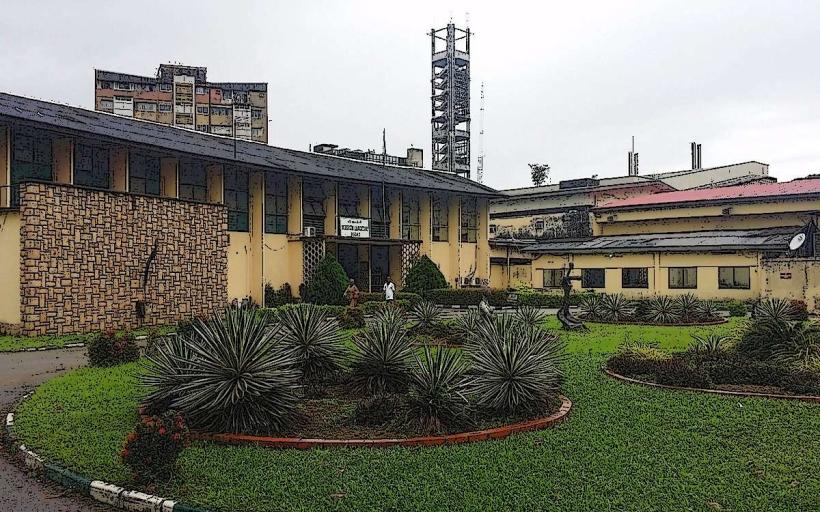
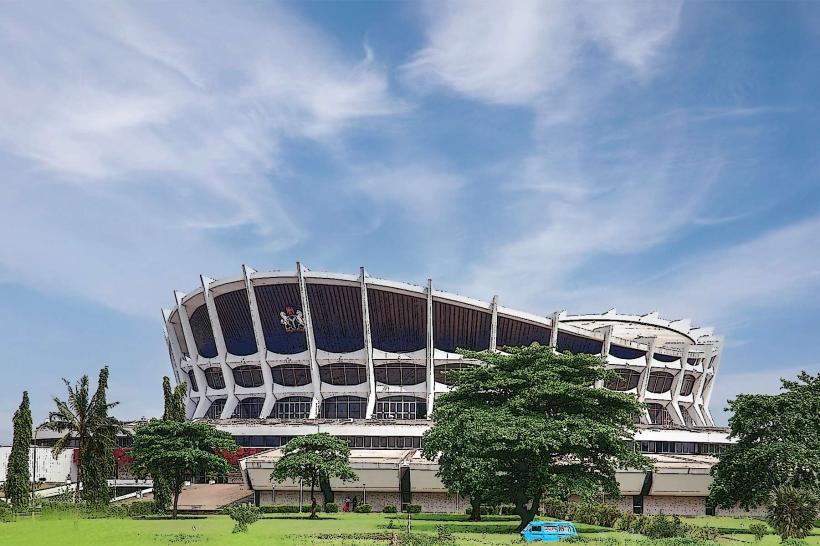
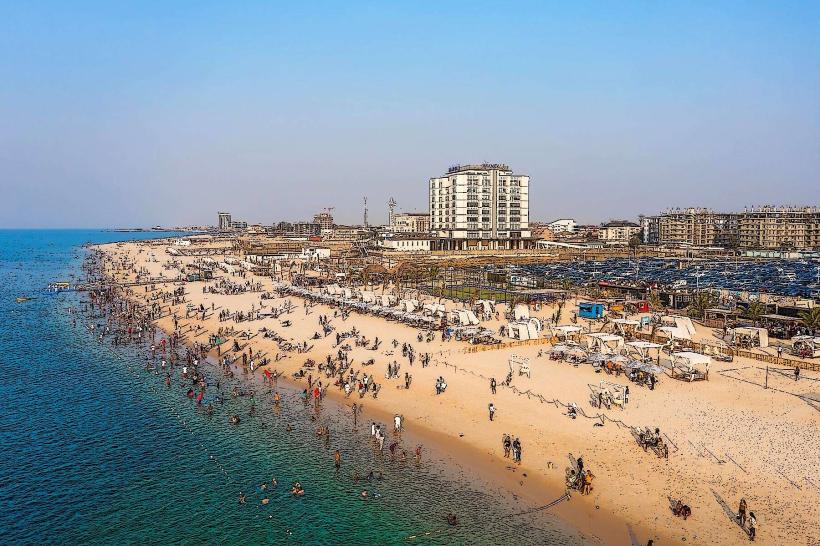
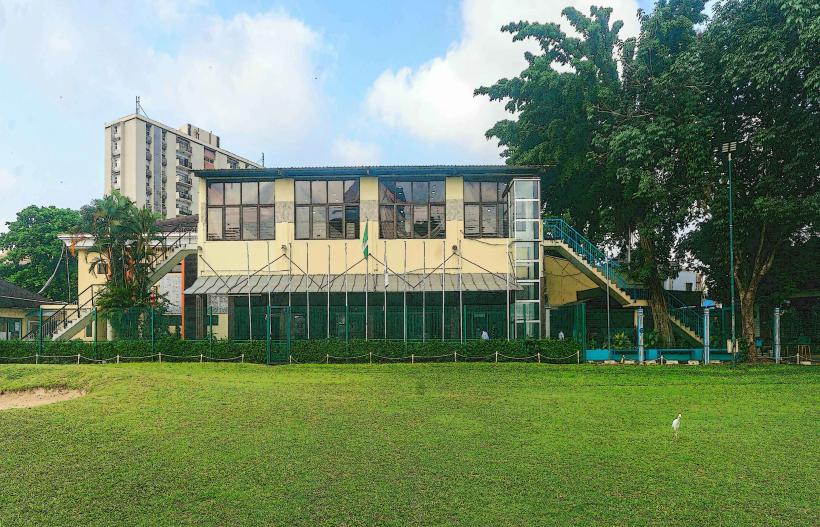
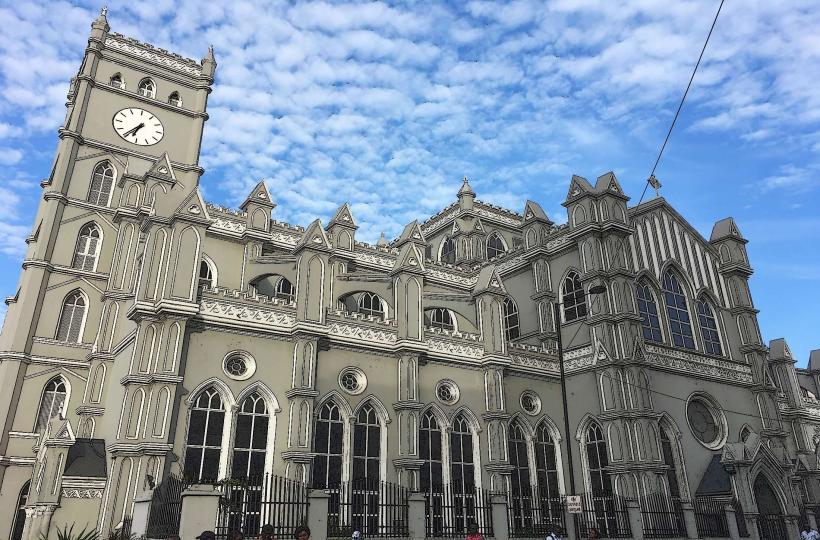
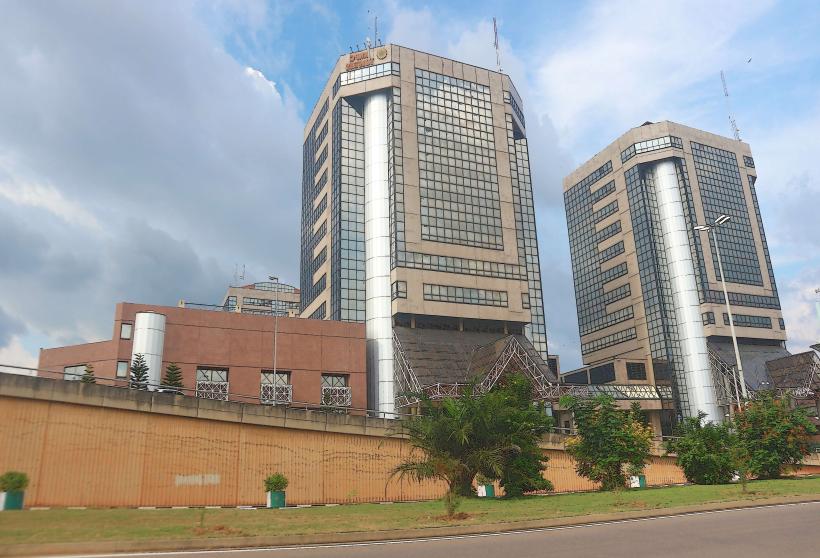
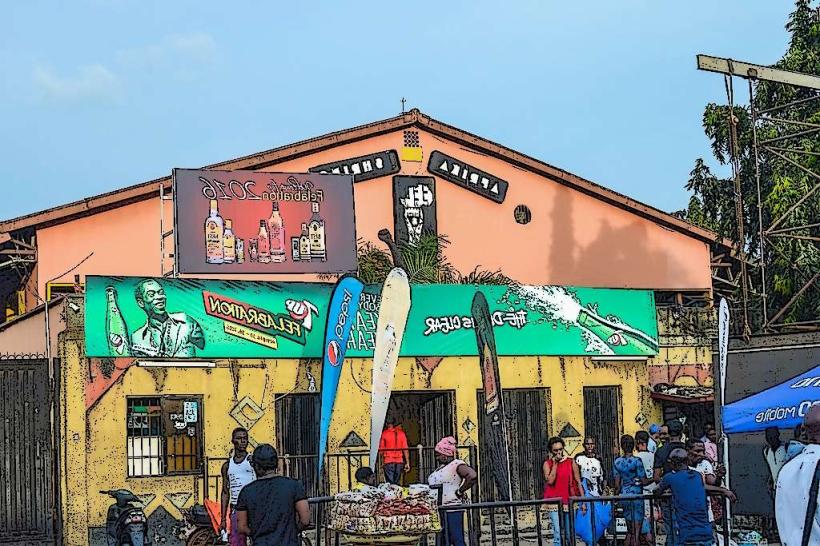
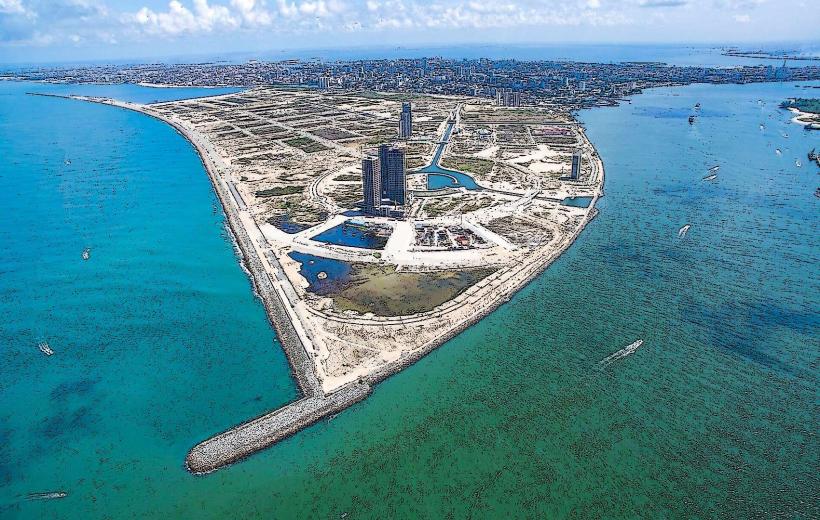
Lagos Island is characterized by a dense urban landscape featuring a mix of modern high-rise buildings and older colonial-era structures. The predominant materials include concrete, steel, and glass for contemporary edifices, with brick and stucco common in older sections. The island's topography is largely flat, with extensive waterfront development along its northern and southern shores.
Location & Access Logistics
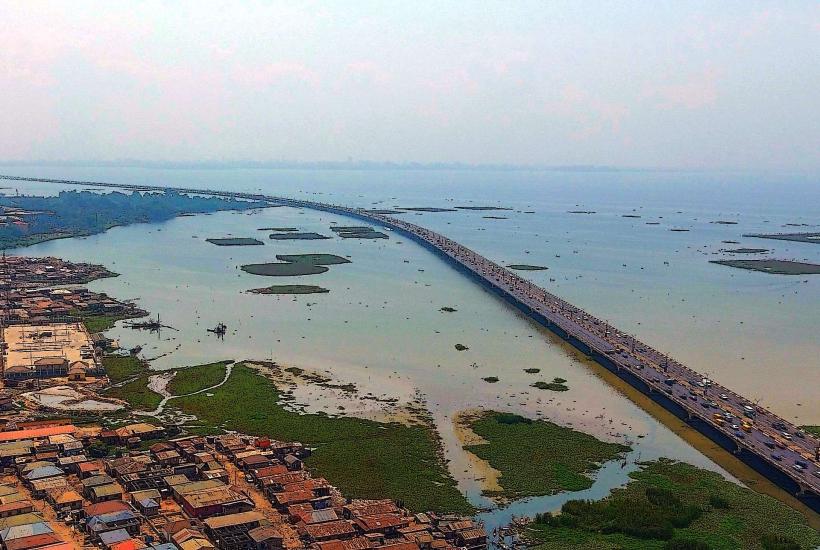
Lagos Island is situated in the Lagos Lagoon, south of the Nigerian mainland. Access is primarily via bridges connecting it to the mainland and other islands, including the Carter Bridge, Eko Bridge, and Third Mainland Bridge. The Murtala Muhammed International Airport (LOS) is approximately 25 kilometers northwest of the island. Within the island, transportation relies heavily on road networks with numerous bus routes (e.g., Bus Rapid Transit - BRT) and a significant presence of taxis and ride-sharing services. Ferry services also operate from various points on the island to other parts of Lagos State.
Historical & Ecological Origin
Historically, Lagos Island began as a small fishing settlement. It was later developed by Portuguese traders in the 15th century and subsequently became a British colony. The island's landmass has been significantly expanded through reclamation projects over the centuries. Ecologically, it is a low-lying island situated within a coastal lagoon system, influencing its susceptibility to flooding and its historical development patterns.
Key Highlights & Activities
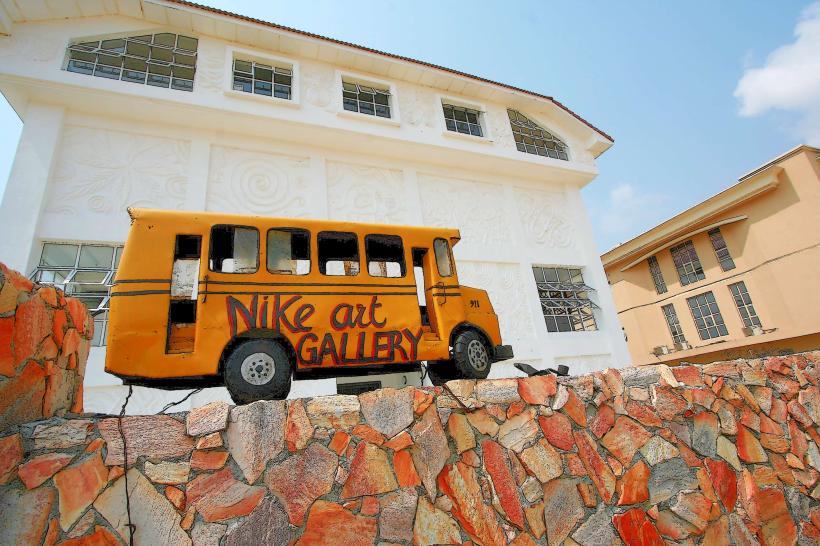
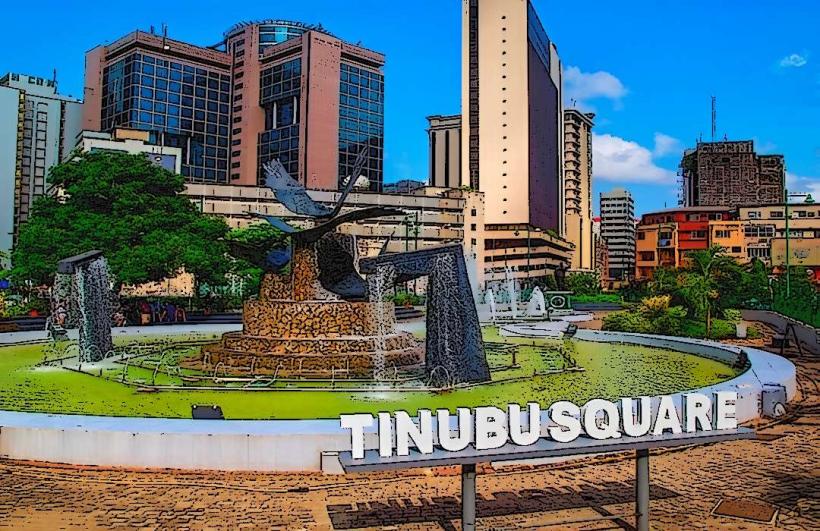
Visitors can explore the National Museum Lagos for historical artifacts. The Tinubu Square is a historical landmark. Shopping is concentrated in areas like Broad Street and Balogun Market. Business meetings and administrative functions are central to the island's activity.
Infrastructure & Amenities
Lagos Island possesses extensive urban infrastructure, including paved roads, electricity grids, and water supply systems. Numerous commercial banks, government offices, and corporate headquarters are located here. Restrooms are available in public buildings, hotels, and commercial centers. Cell phone signal (4G/5G) is generally strong across the island. Food vendors and restaurants are abundant throughout the commercial districts.
Best Time to Visit
The dry season, from November to March, offers the most favorable weather conditions with lower humidity and less rainfall. Mid-morning to late afternoon provides optimal natural light for observing the urban architecture. There are no specific tide requirements for visiting Lagos Island.
Facts & Legends
Tinubu Square on Lagos Island was once the site of a slave market. It is now a public square commemorating Madam Tinubu, a prominent merchant and slave trader who later became a prominent anti-slavery activist.
Nearby Landmarks
- Eko Atlantic City (1.5km Southwest)
- Victoria Island (2.0km Southeast)
- Apapa Port (3.0km North)
- Iga Idunganran Palace (0.8km Northwest)
- CMS Grammar School (1.2km West)