
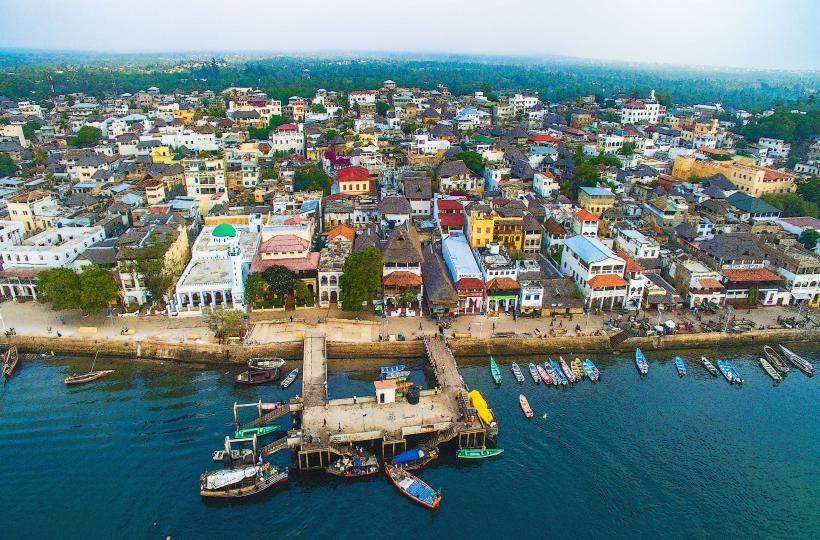
City: Lamu
Country: Kenya
Continent: Africa
Lamu, Kenya, Africa
Lamu is the oldest continuously inhabited Swahili settlement in East Africa and the headquarters of Lamu County. It is situated on Lamu Island within the Lamu Archipelago, off the northern coast of Kenya.
Historical Timeline
Founded in the 12th century, Lamu became a center of Islamic scholarship and a major port for the trade of timber, ivory, and spices. The primary event shaping its current urban form was the Omani Arab influence in the 18th and 19th centuries, which produced the town's unique coral-stone architecture. Lamu Old Town was designated a UNESCO World Heritage site in 2001. Since 2012, the LAPSSET (Lamu Port-South Sudan-Ethiopia Transport) corridor project has begun transforming the nearby mainland, though the island remains a preserved historic zone.
Demographics & Population
The estimated metropolitan population for 2026 is 32,000. The demographics are predominantly Swahili and Bajuni, with a significant community of expatriates and artists. The culture is deeply Islamic and traditional. The median age is approximately 19.1 years.
Urban Layout & Key Districts
The town is divided into two main areas:
Lamu Old Town: A dense maze of narrow streets, carved doors, and stone houses. There are no motorized vehicles; transport is via foot, donkey, or boat.
Shela Village: Located 3 km south, this is a more affluent, quieter area characterized by high-end guesthouses and dunes.
The town is oriented entirely toward the harbor (the "Seafront"), which serves as the primary public space.
Top City Landmarks
Lamu Fort: A 19th-century Omani fort that now houses a museum and community space.
Lamu Museum: Located on the seafront, documenting Swahili culture and maritime history.
German Post Office Museum: A relic of the late 19th-century colonial postal service.
Takwa Ruins: 16th-century coral-stone ruins on Manda Island (accessible via boat).
Donkey Sanctuary: A facility dedicated to the welfare of the island's primary mode of land transport.
Transportation Network
Intra-island transit is restricted to walking or donkeys. Motorized vehicles are banned in the Old Town. Inter-island and mainland transit is conducted via Dhows (traditional sailing vessels) and modern motorboats. Lamu (Manda) Airport (LAU) is located on the adjacent Manda Island, requiring a 10-minute boat transfer to the town.
Safety & "Red Zones"
The general safety level on the island is high. Petty crime is rare but snatch-and-grab can occur. Travelers should avoid the mainland Boni Forest area due to security operations targeting extremist groups. The "red zone" is strictly the coastal waters near the Somali border (100 km north), which are heavily patrolled. Ocean safety is critical; strong currents exist in the channel between Manda and Lamu.
Digital & Financial Infrastructure
Internet speeds average 20–35 Mbps. Main carriers are Safaricom and Airtel. M-Pesa is used for nearly all local transactions. There are very few ATMs on the island, primarily located near the seafront in the Old Town. Credit card acceptance is extremely low, limited to high-end resorts in Shela.
Climate & Air Quality
Temperatures range from 24°C to 31°C. The climate is tropical and humid. Air quality is exceptional due to the total absence of vehicle exhaust and consistent sea breezes. Significant weather risks include heavy monsoon rains (April–June) and high humidity.
Culture & Social Norms
Lamu is a conservative Muslim society. Modest dress is mandatory; shoulders and knees must be covered when walking in town. Public consumption of alcohol is restricted to specific licensed hotels. Public displays of affection are strictly discouraged. Tipping is standard at 10% for boat captains and guides.
Accommodation Zones
Old Town: Recommended for cultural immersion, history, and proximity to museums.
Shela: Recommended for beach access, luxury boutiques, and quiet retreats.
Local Cost Index
1 Espresso: 250 KES ($1.60 USD)
1 Standard Lunch (Swahili Fish Curry): 850 KES ($5.50 USD)
1 Boat Transfer (Lamu to Shela): 200–500 KES ($1.30–$3.25 USD)
Nearby Day Trips
Manda Island: For the Takwa ruins and quiet beaches.
Kiwayu Island: Located in the Kiunga Marine National Reserve (remote and pristine).
Matondoni: A village on the west side of the island known for traditional dhow building.
Facts & Legends
Lamu is known as the "Cradle of Swahili Civilization." A local legend claims that the island was founded by two brothers who arrived on a magic dhow. A verified historical oddity is that the town has no drainage or sewage system in the modern sense; it relies on a centuries-old system of deep-set lime-and-coral conduits that utilize the tides to flush waste. The island hosts an annual Maulidi festival and a Donkey Race that are central to the regional cultural calendar.


