City: Nairobi
Country: Kenya
Continent: Africa
Nairobi, Kenya, Africa
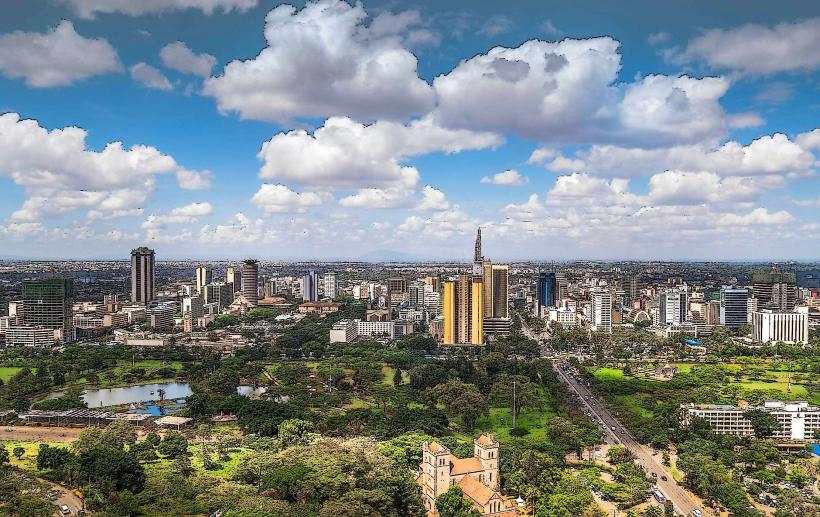
Nairobi is the capital and largest city of Kenya, serving as the primary financial, diplomatic, and logistical hub of East Africa. It is situated at an elevation of 1,795 meters on the Nairobi River in the southern part of the country.
Historical Timeline
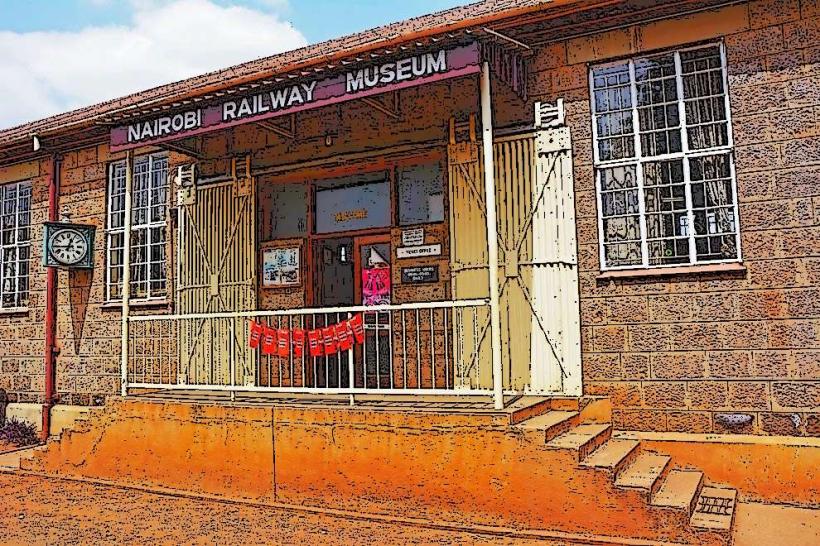
Nairobi was established in 1899 as a simple rail depot on the Uganda Railway. The name is derived from the Maasai phrase Enkare Nyrobi ("place of cool waters"). The primary event shaping its current urban form was the 1907 decision to move the capital of the British East Africa Protectorate from Mombasa to Nairobi, followed by the rapid post-independence expansion in 1963. The city has transitioned from a swampy outpost to a "Silicon Savannah" through massive investment in fiber optics and the construction of the Nairobi Expressway (2022).
Demographics & Population
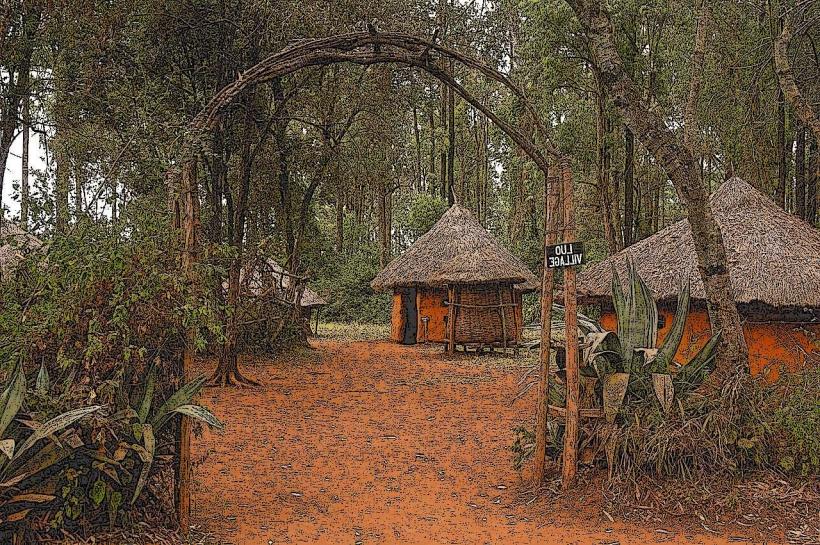
The estimated metropolitan population for 2026 is 5.4 million. The population is highly diverse, comprising all of Kenya's major ethnic groups (primarily Kikuyu, Luhya, Luo, and Kamba), a large Asian community, and a significant expatriate population due to the presence of the UN Headquarters (UNON). The median age is 20.1 years.
Urban Layout & Key Districts
The city is divided into several distinct zones:
Central Business District (CBD): The high-rise commercial core.
Upper Hill & Westlands: The modern secondary hubs for multinational corporations and nightlife.
Karen & Lang'ata: Low-density, affluent residential areas to the southwest.
Eastlands: High-density residential zones and industrial areas.
Kibera: One of Africa's largest informal settlements, located southwest of the CBD.
Top City Landmarks
Nairobi National Park: The only national park in the world within a capital city’s limits.
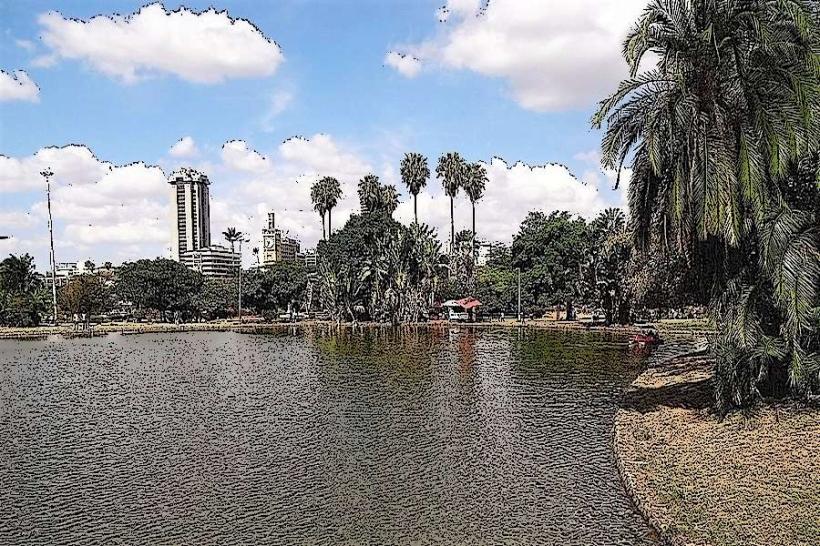
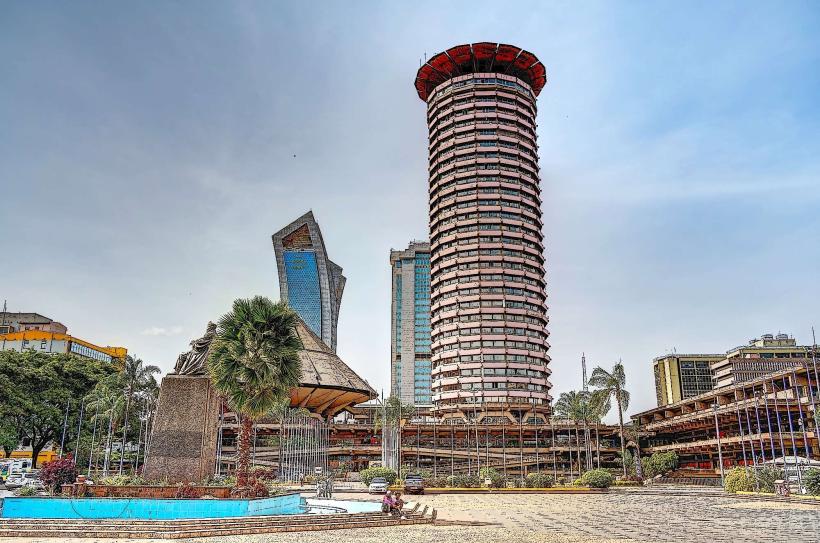
Kenyatta International Convention Centre (KICC): A 28-story brutalist landmark with a helipad view.
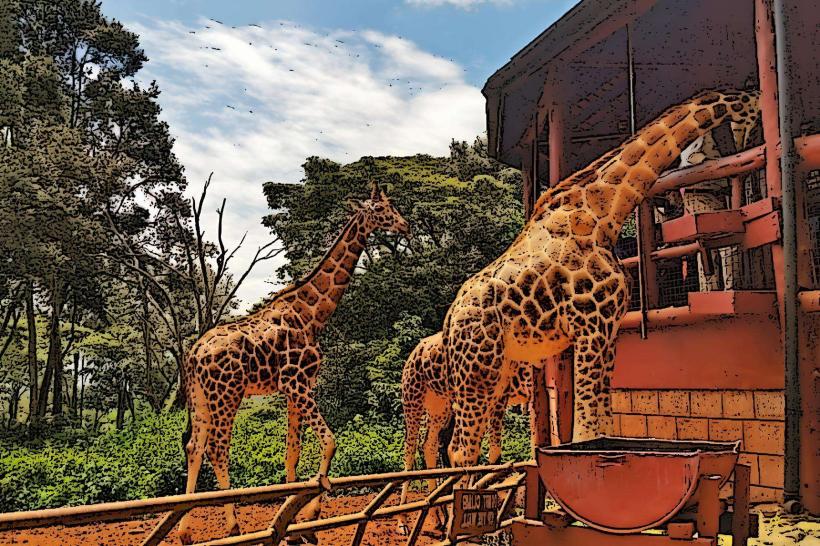
The Giraffe Centre: A conservation center for the endangered Rothschild giraffe.
David Sheldrick Wildlife Trust: An elephant and rhino orphanage.
Karen Blixen Museum: The former farmhouse of the Out of Africa author.
Transportation Network
The city's transport is dominated by Matatus (privately owned minibuses known for graffiti and loud music). Intra-city transit also includes the Boda Boda (motorcycle taxis). Ride-sharing via Uber and Bolt is highly developed. The Nairobi Expressway provides a high-speed link from Jomo Kenyatta International Airport (JKIA) to the city center. Traffic congestion remains extreme during peak hours.
Safety & "Red Zones"
The general safety level is moderate. Petty crime (snatch-and-grab) is common in the CBD. Specific "red zones" include the informal settlements (Kibera, Mathare) and Eastleigh after dark. Travelers are advised to avoid walking alone at night and to keep car windows rolled up in stationary traffic. Terrorist threats are monitored, with high security at malls and hotels.
Digital & Financial Infrastructure
Nairobi is a global leader in mobile money; M-Pesa is used for nearly all transactions, from street vendors to utility bills. Internet speeds are high, averaging 50–100 Mbps in commercial areas. Main mobile carriers are Safaricom, Airtel, and Telkom. ATMs are ubiquitous, but M-Pesa is the preferred local payment method.
Climate & Air Quality
Temperatures range from 12°C in July to 28°C in February. The high altitude results in a subtropical highland climate with cool evenings. Air quality varies significantly; it is high in the suburbs but poor in the CBD and industrial zones due to vehicular emissions. Significant weather risks include heavy flooding during the "long rains" (March–May).
Culture & Social Norms
English and Swahili are the official languages; Sheng (a Swahili-English slang) is common among youth. Tipping is standard at 10% in restaurants. Nairobi is cosmopolitan; dress codes are business-formal in the CBD and casual in Westlands. Shaking hands is the standard greeting.
Accommodation Zones
Westlands: Recommended for nightlife, shopping, and international hotels.
Karen: Recommended for luxury boutique stays, greenery, and proximity to wildlife attractions.
Local Cost Index
1 Espresso: 350 KES ($2.30 USD)
1 Standard Lunch (Nyama Choma/Ugali): 1,200 KES ($8.00 USD)
1 Short Uber Trip: 400 KES ($2.60 USD)
Nearby Day Trips
Ngong Hills: 25 km (Hiking and views of the Great Rift Valley)
Lake Naivasha: 90 km (Birdwatching and boating)
Hell’s Gate National Park: 100 km (Cycling among wildlife)
Facts & Legends
Nairobi is the only city in the world where you can take a photo of a lion with a skyscraper backdrop. A local legend suggests that the Maasai initially resisted the railway, believing it to be a "large iron snake" that would swallow the land. A verified historical oddity is that the city was almost abandoned in 1902 due to an outbreak of the bubonic plague, but the colonial administration decided to burn the original town and rebuild rather than move.