Landmark: Maasai Market
City: Nairobi
Country: Kenya
Continent: Africa
Maasai Market, Nairobi, Kenya, Africa
The Maasai Market is a rotating open-air craft market located in Nairobi, Kenya. It serves as a central point for artisans to sell traditional Maasai beadwork, carvings, and other Kenyan handicrafts.
Visual Characteristics
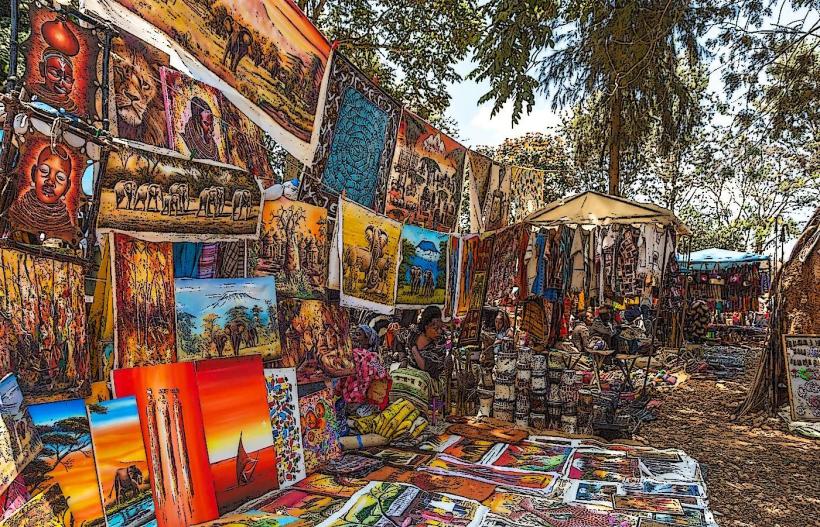
The market is characterized by temporary stalls constructed from tarpaulins and wooden frames. Goods are displayed on tables, mats, or directly on the ground. The visual focus is on the array of colorful beadwork, wooden sculptures, and textiles.
Location & Access Logistics
The Maasai Market operates on a rotating schedule across different locations within Nairobi. On Saturdays, it is typically held at the Capital Centre parking lot, located off Mombasa Road, approximately 5km southeast of the city center. On weekdays, it moves to various locations such as the Jevanjee Gardens (near the city center) or the Kariokor Market area. Access by private vehicle is straightforward, with parking available at each venue. Public transport options include matatus (minibuses) heading towards Mombasa Road or the city center, depending on the day's location.
Historical & Ecological Origin
The Maasai Market originated as a way for Maasai artisans to directly sell their crafts to tourists and locals, bypassing intermediaries. It evolved from informal roadside sales to a more organized, albeit temporary, marketplace. The crafts themselves are rooted in the traditional artistic practices of the Maasai people, a Nilotic ethnic group indigenous to Kenya and Tanzania.
Key Highlights & Activities
Visitors can purchase a wide range of handmade items including beaded jewelry (necklaces, bracelets, earrings), wooden carvings (masks, figurines), Maasai shuka (traditional cloth), leather goods, and paintings. Haggling is a common practice. Observing the craftsmanship and interacting with the vendors are primary activities.
Infrastructure & Amenities
The market is an open-air setup, meaning there is limited permanent infrastructure. Restrooms are generally not available within the immediate market area, though they may be found in nearby shopping centers or public facilities depending on the location. Shade is provided by the tarpaulin coverings of the stalls. Cell phone signal (4G/5G) is typically strong in all operating locations within Nairobi. Food vendors are often present, offering local snacks and beverages.
Best Time to Visit
The market is most active on Saturdays at the Capital Centre location. For optimal lighting for photography, early morning (9:00 AM - 11:00 AM) or late afternoon (3:00 PM - 5:00 PM) is recommended to avoid harsh midday sun. The best months for visiting are generally during the dry seasons (January-March and June-October) when outdoor conditions are more favorable.
Facts & Legends
A specific tip for visitors is to be prepared to negotiate prices firmly but respectfully. A common practice is to offer around 50-70% of the initial asking price, with the final price often settling somewhere in between. The intricate beadwork patterns often carry symbolic meanings related to age, social status, and marital status within Maasai culture.
Nearby Landmarks
- Capital Centre (0.1km West, if at Saturday location)
- Nyayo National Stadium (2km North, if at Saturday location)
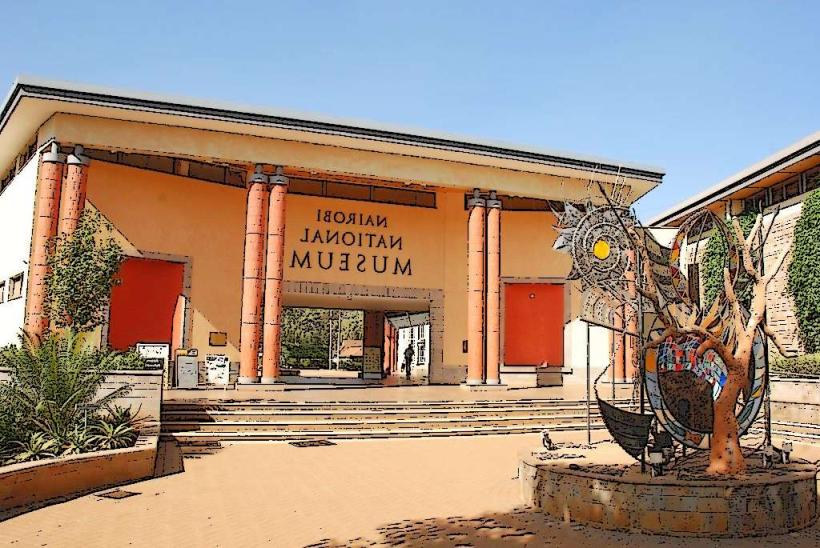
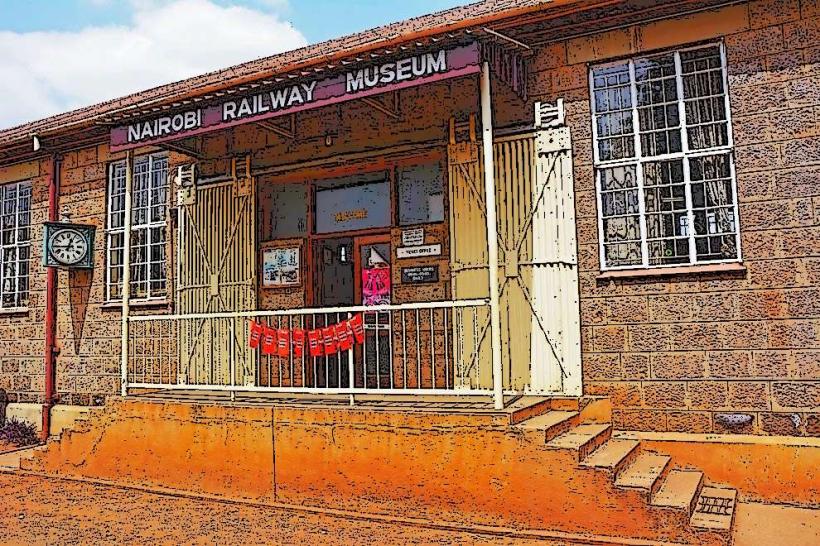
- Nairobi National Museum (4km Northwest, if at Jevanjee Gardens location)
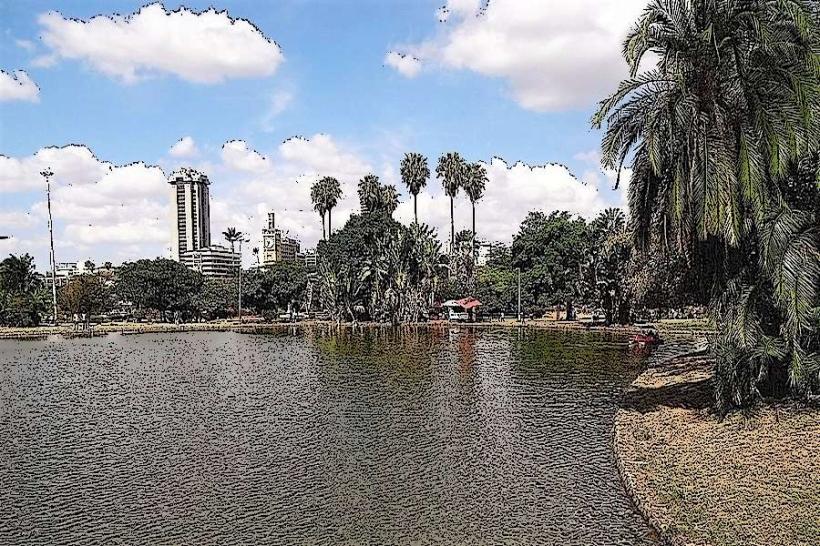
- Uhuru Park (3km Northwest, if at Jevanjee Gardens location)
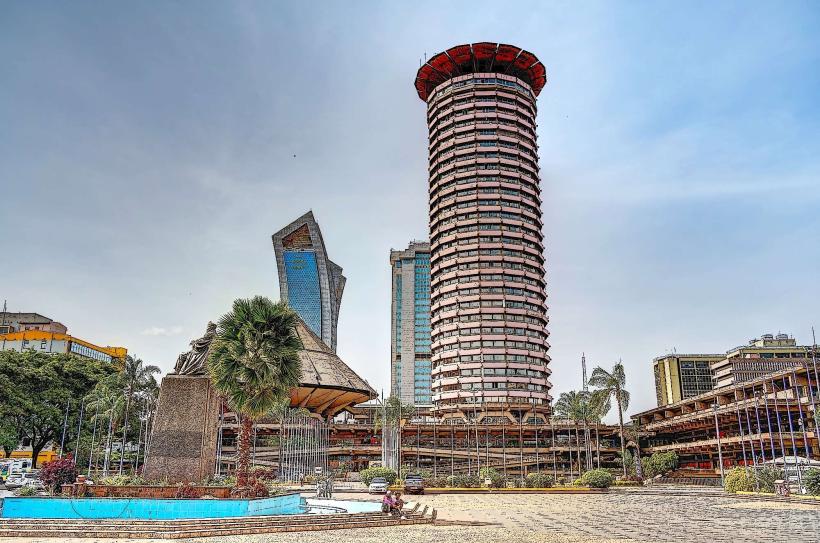
- KICC (Kenyatta International Convention Centre) (3.5km Northwest, if at Jevanjee Gardens location)