Landmark: Nairobi National Park
City: Nairobi
Country: Kenya
Continent: Africa
Nairobi National Park, Nairobi, Kenya, Africa
Nairobi National Park is an area of protected savanna grassland in Kenya, situated approximately 7 kilometers south of Nairobi's central business district.
Visual Characteristics
The park's landscape consists of open plains, rocky gorges, and riverine forests. Vegetation is primarily dry savanna grassland with scattered acacia trees. The Athi River forms a natural boundary along the southern edge. The terrain is generally flat with some undulating hills.
Location & Access Logistics
Access is via the A104 road (Mombasa Road) or the B102 road (Langata Road). The main entrance is located off Mombasa Road, approximately 7km from the city center. Ample parking is available at the main gate and designated picnic sites. Public transport options include matatus (minibuses) that run along Mombasa Road and Langata Road, with stops near the park entrances.
Historical & Ecological Origin
Established in 1946, Nairobi National Park was Kenya's first national park. It was created to protect wildlife from the expanding city and to preserve the savanna ecosystem. The park is a natural savanna ecosystem with a history of human settlement and land use prior to its designation as a protected area.
Key Highlights & Activities
Activities include game drives to observe wildlife such as lions, leopards, cheetahs, giraffes, zebras, and rhinos. The park is a key rhino sanctuary. Bird watching is also a significant activity, with over 400 species recorded. Picnicking is permitted at designated sites like the Impala Observation Point and the Mokoyet Picnic Site.
Infrastructure & Amenities
Restrooms are available at the main entrance and at designated picnic sites. Shade is provided by acacia trees and some covered picnic shelters. Cell phone signal (4G/5G) is generally available throughout the park. There are no food vendors within the park; visitors are advised to bring their own provisions.
Best Time to Visit
The best time for game viewing is during the dry seasons, from January to March and July to October, when animals congregate around water sources. Early morning (6:00 AM to 9:00 AM) and late afternoon (4:00 PM to 6:30 PM) offer optimal lighting for photography and increased animal activity.
Facts & Legends
Nairobi National Park is unique for being the only national park located within sight of a major city's skyline. A specific tip for visitors is to utilize the park's observation points, such as the one overlooking the Athi River, for better chances of spotting hippos and crocodiles.
Nearby Landmarks
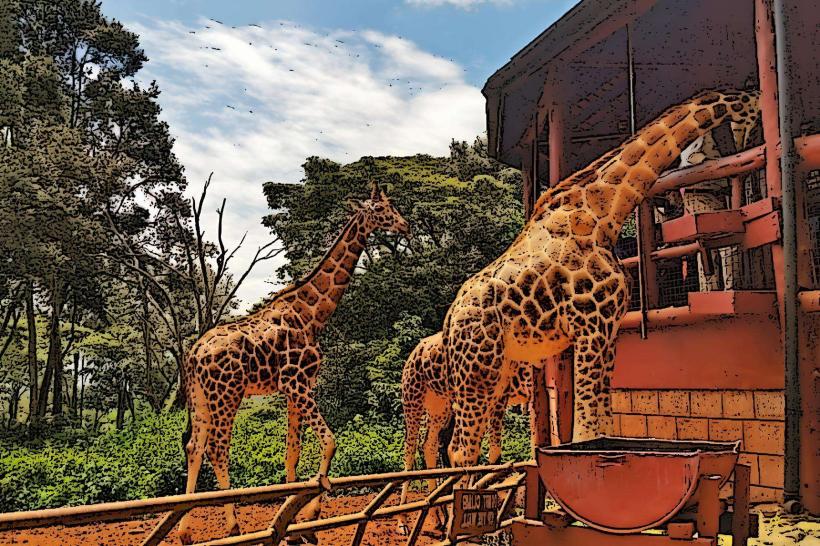
- Giraffe Centre (0.8km West)
- David Sheldrick Wildlife Trust (1.2km West)
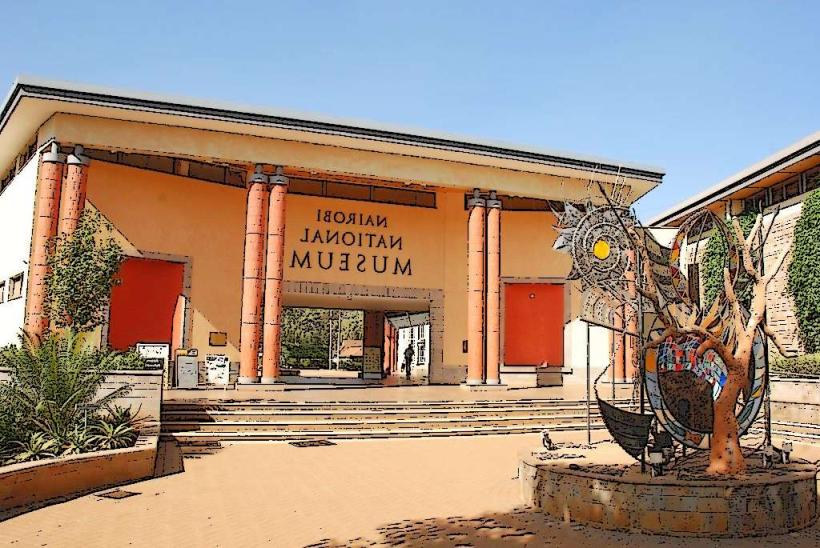
- Karen Blixen Museum (3.5km West)
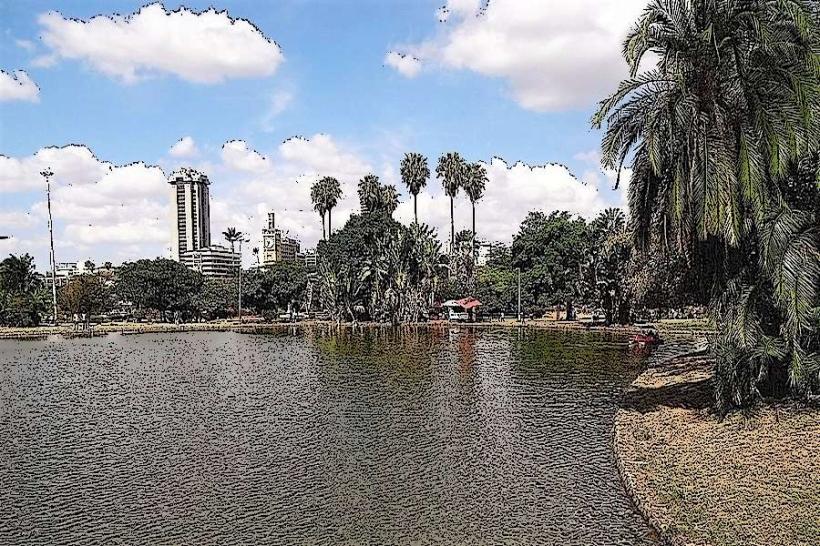
- Uhuru Gardens Memorial Park (6.0km North)
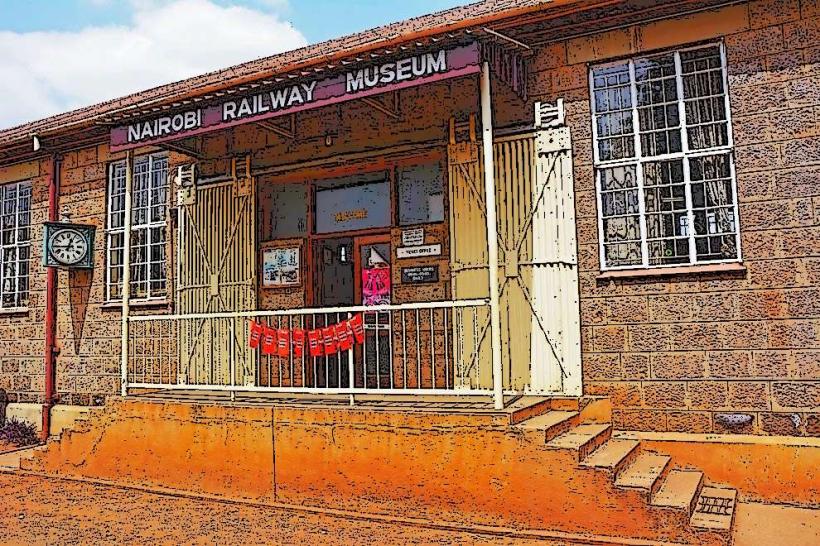
- Nairobi Railway Museum (6.5km North)