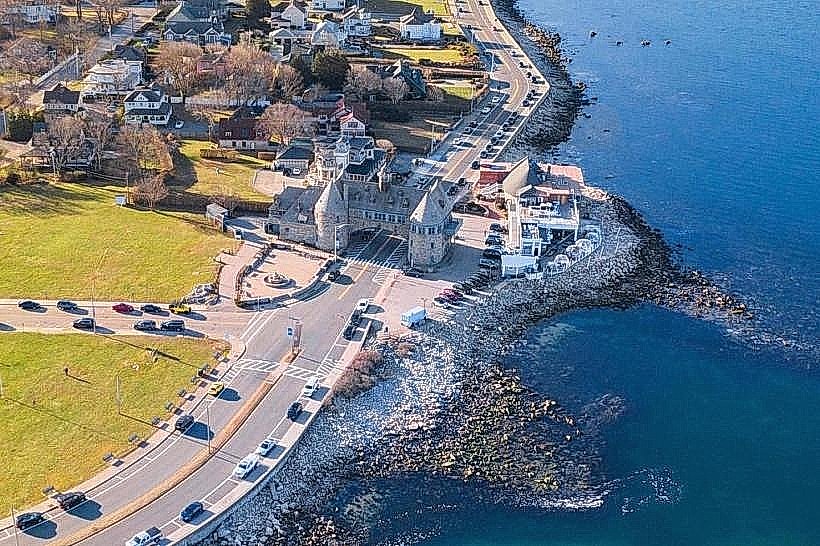
City: Narragansett
Country: USA Rhode Island
Continent: North America
Narragansett, USA Rhode Island, North America
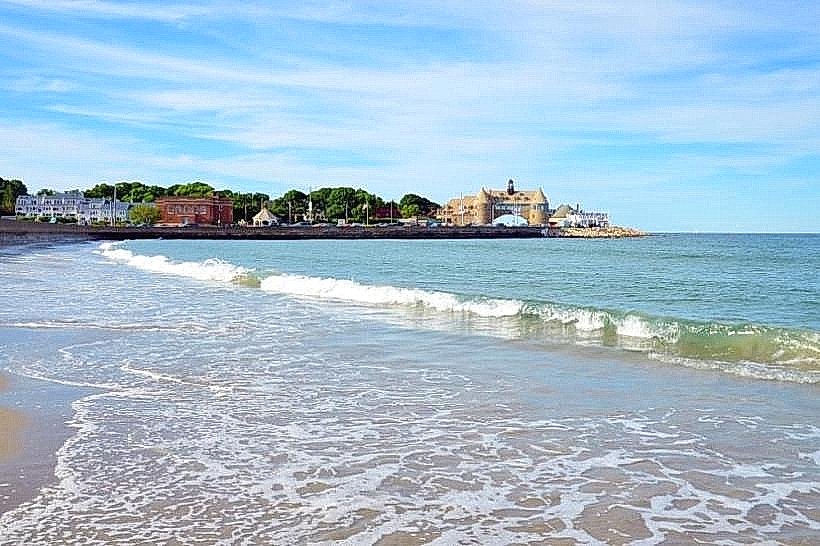
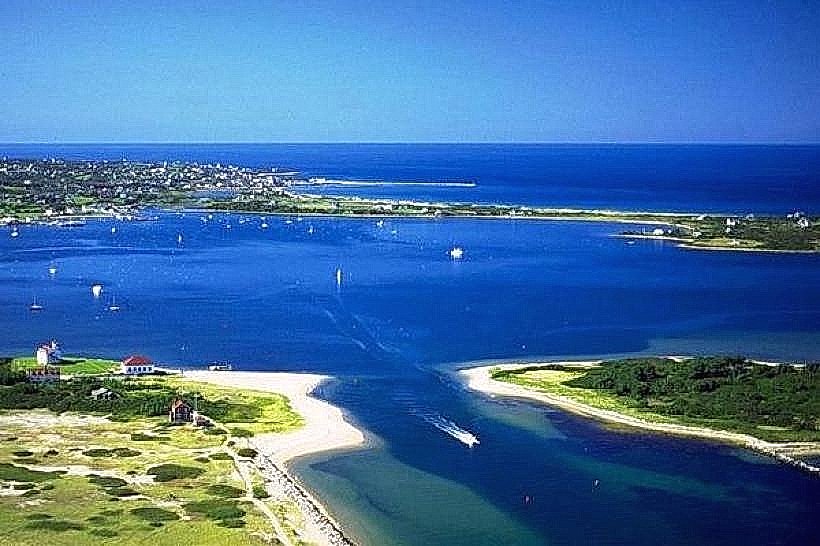
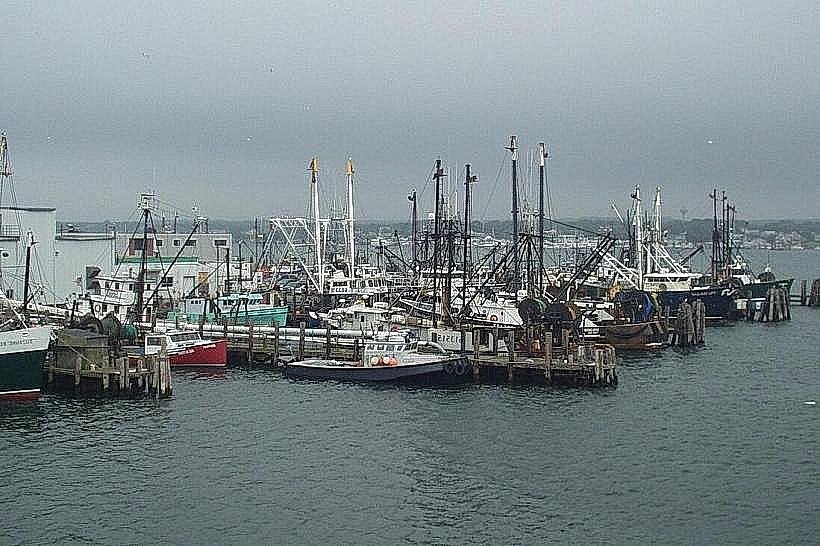
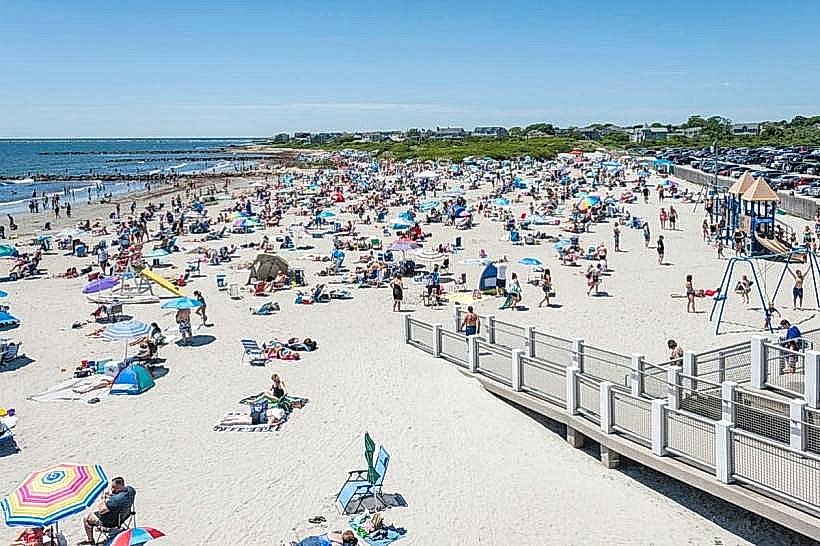
Narragansett serves as the primary coastal resort and commercial fishing hub for southern Rhode Island. It is located in Washington County on a narrow strip of land along the eastern bank of the Pettaquamscutt River and the western shore of Narragansett Bay.
Historical Timeline
Narragansett was originally part of South Kingstown until it was incorporated as a separate district in 1888 and a town in 1901. Primary governance eras include the Narragansett Indian dominance, the Victorian "Golden Age" of grand hotels, and the modern era of seasonal tourism. The most significant architectural reconstruction occurred after the Great Fire of 1900, which destroyed the Narragansett Pier Casino, leaving only the granite towers. The primary event shaping the current urban form was the mid-20th-century transition from luxury rail-based tourism to automobile-centered beach access.
Demographics & Population
The permanent population is approximately 14,500, though this fluctuates significantly with the University of Rhode Island student rental season and summer tourism. The top three ethnic demographics are White (90.5%), Hispanic or Latino (3.1%), and Asian (1.8%). The median age is 44 years.
Urban Layout & Key Districts
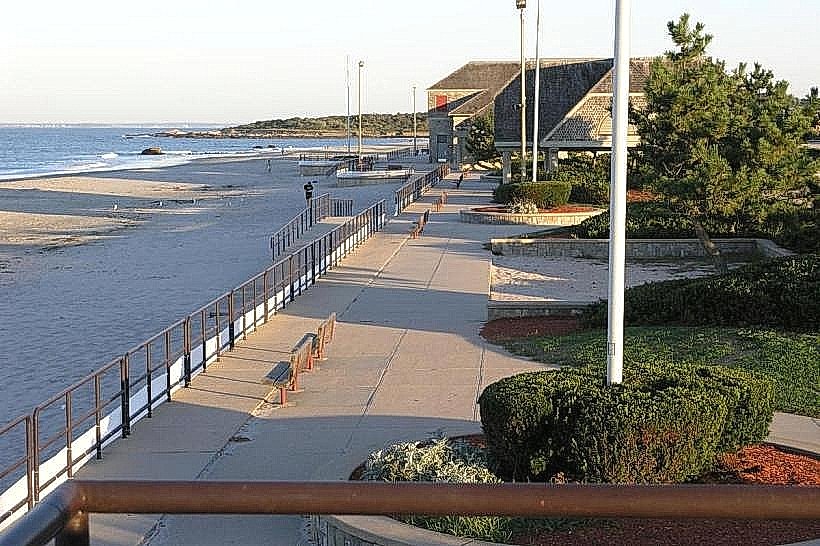
The town is organized linearly along the coastline. Key districts include Narragansett Pier (the historic and commercial center) to the east, Great Island/Galilee (a working fishing port) to the south, and Bonnet Shores (a dense residential beach community) to the north.
Top City Landmarks
The Towers (remnant of the 1883 Casino)
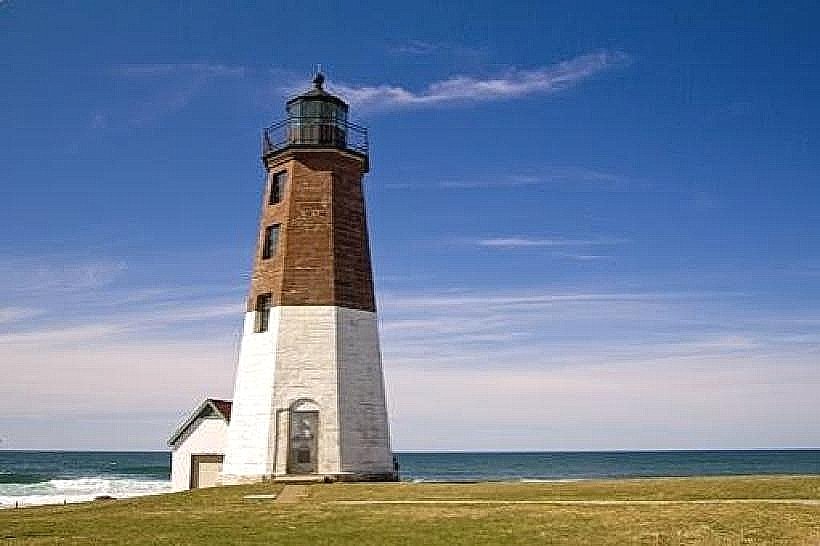
Point Judith Fishermen's Memorial
Transportation Network
Movement is primarily via personal vehicle. RIPTA bus route 66 connects the town to Providence and the URI campus. There is no metro or rail. Uber and Lyft have high availability during summer but decrease in winter. Taxis operate under the "South County" dispatch. Traffic density is extreme on Route 108 and Scenic 1A during July and August weekends.
Safety & "Red Zones"
Narragansett is exceptionally safe with low violent crime rates. There are no specific "red zones." The primary safety concerns involve heavy surf conditions at local beaches and increased incidents of driving under the influence during the summer season.
Digital & Financial Infrastructure
Average internet speed is 300–800 Mbps via Cox or Verizon. Main mobile carriers are Verizon, T-Mobile, and AT&T. Card acceptance is universal, including at beach parking lots and seasonal shacks. ATMs are concentrated in the Pier and Galilee districts.
Climate & Air Quality
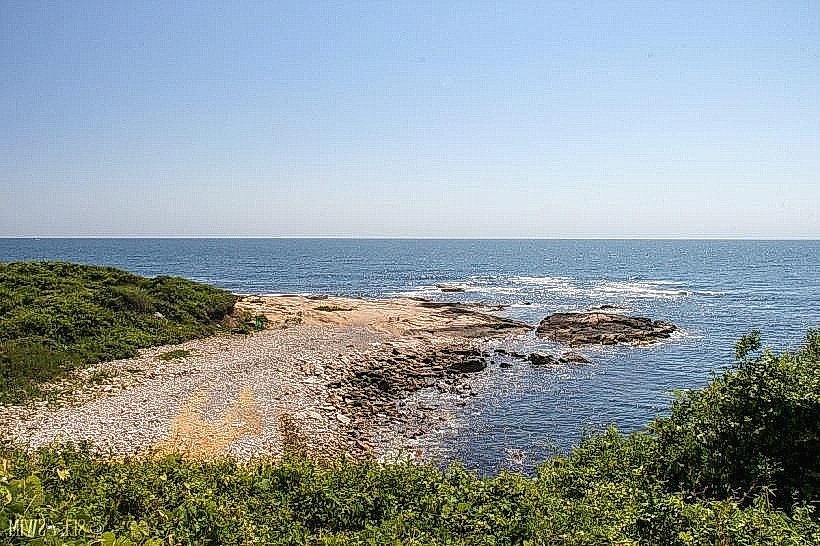
Winter temperatures range from -4°C to 5°C; summer ranges from 18°C to 26°C. Air quality is excellent due to consistent Atlantic headwinds. The primary weather risks are hurricanes and tropical storms, which cause significant coastal erosion and flooding in the Sand Hill Cove area.
Culture & Social Norms
Tipping of 20% is expected. Greetings are informal. Dress code is "beach casual," though shirts and shoes are required in all commercial establishments away from the sand. Alcohol consumption is strictly prohibited on public beaches and is heavily patrolled.
Accommodation Zones
Stay in Narragansett Pier for walking access to the main beach, restaurants, and the historic Towers.
Stay in Galilee for proximity to the Block Island Ferry and authentic seafood markets.
Local Cost Index
1 Espresso: $4.25 (3.91€)
1 Standard Lunch: $22.00 (20.24€)
1 Bus Ticket: $2.00 (1.84€)
Nearby Day Trips
Block Island: 20 km (1 hour via ferry from Galilee)
Newport, RI: 25 km (30 minutes via bridges)
Watch Hill, RI: 35 km (40 minutes)
Providence, RI: 50 km (45 minutes)
Facts & Legends
A verified historical oddity is that the "Towers" are the only surviving piece of a world-class resort designed by McKim, Mead & White, which was the center of American high society before the 1900 fire. Local legend persists regarding "The Palatine Light," a ghost ship allegedly seen off the coast of Point Judith, said to be a 1738 wreck that reappears as a flaming vessel before major storms.