City: Rothenburg ob der Tauber
Country: Germany
Continent: Europe
Rothenburg ob der Tauber, Germany, Europe
Rothenburg ob der Tauber is a town in the Ansbach district of Bavaria, situated on a plateau overlooking the Tauber River. It is the most preserved walled medieval town in Germany and a primary destination on the "Romantic Road" (Romantische Straße).
Visual Characteristics
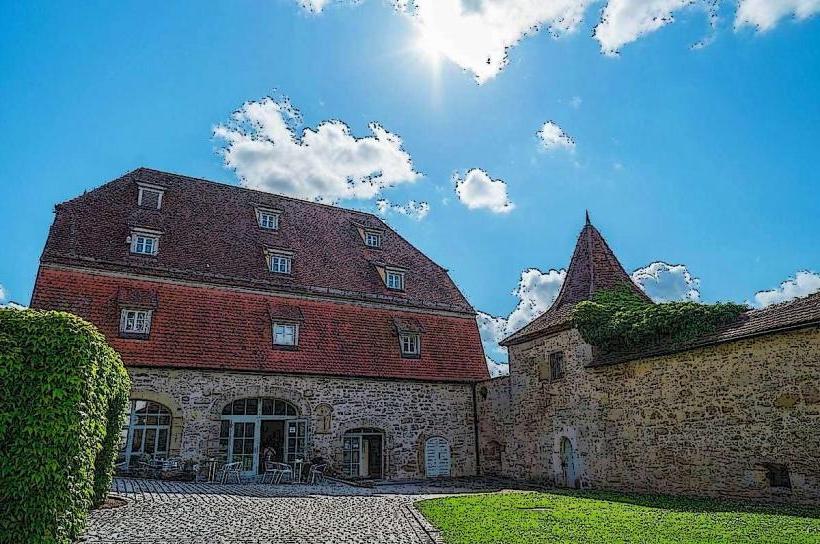
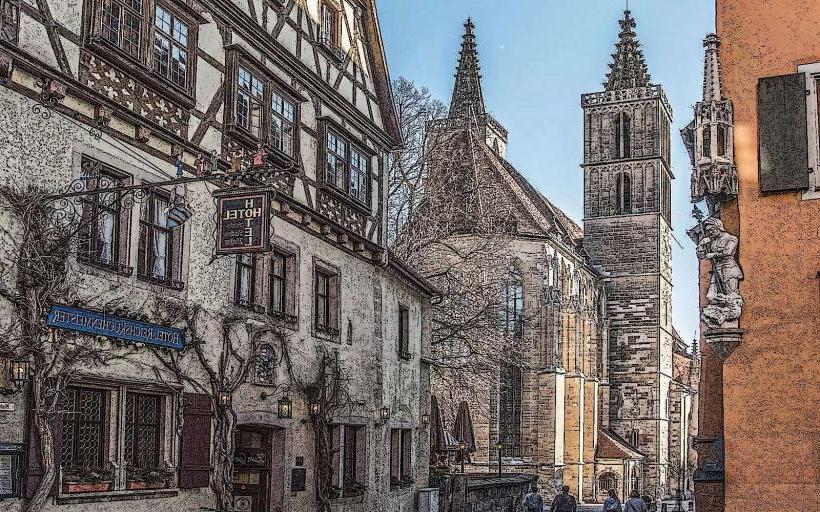
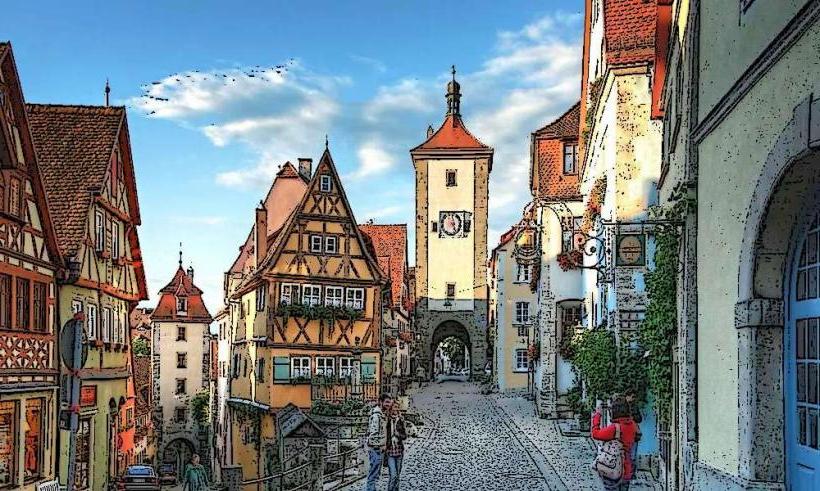
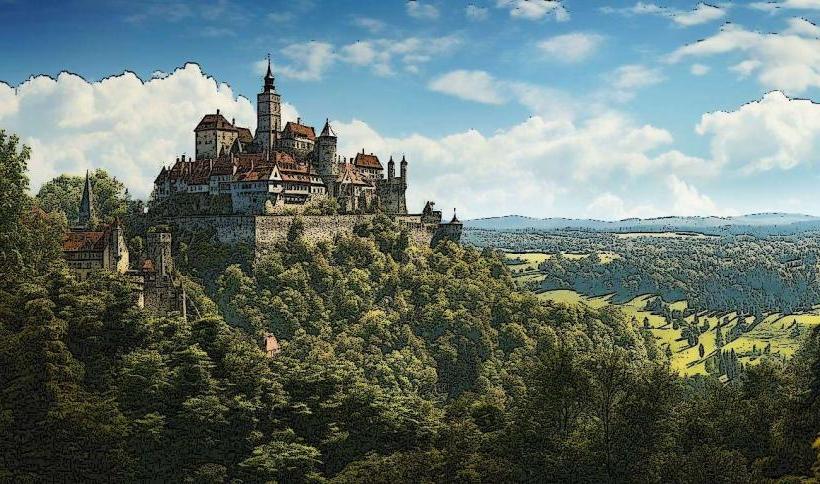
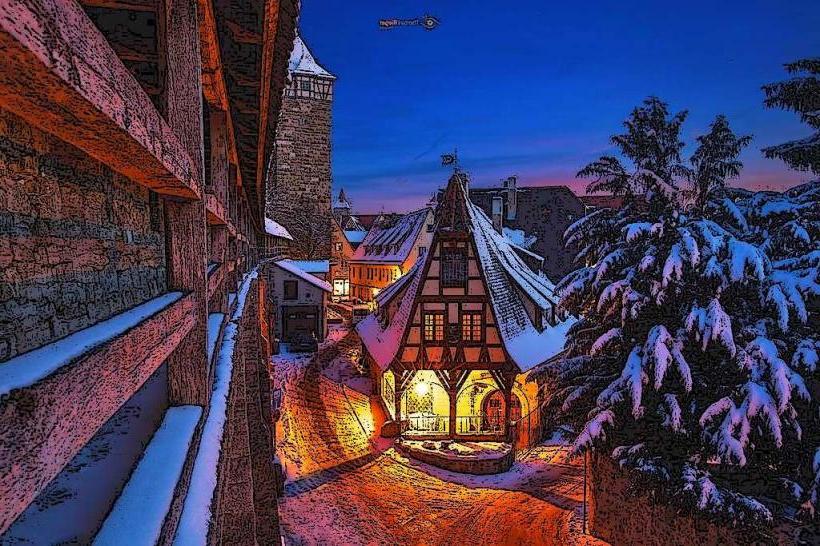
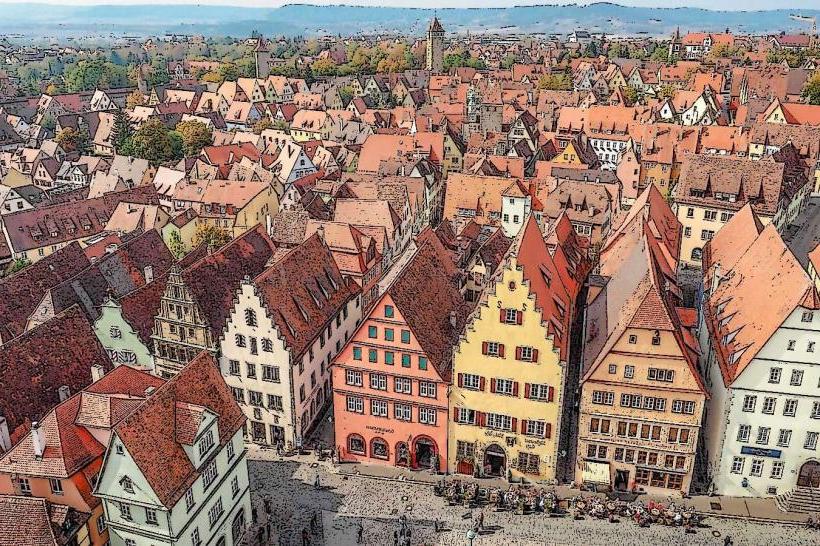
The urban landscape is defined by its complete 14th-century fortification system, including 42 towers and gatehouses. Architecture consists of high-density half-timbered houses with steep gabled roofs and red clay tiles. The town center is characterized by narrow cobblestone streets and the Plönlein, a distinctive fork in the road featuring a yellow timber-framed house and two gate towers. The town is constructed primarily from local limestone and timber.
Location & Access Logistics
Rothenburg is located in the Middle Franconia region of Bavaria. It is served by the Rothenburg ob der Tauber railway station, which requires a transfer at Steinach for regional links to Würzburg or Nuremberg. High-speed ICE connections are not directly available. Vehicle access is via the A7 motorway. The town center is a restricted traffic zone; primary parking is located in large peripheral lots (P1–P5) outside the city walls.
Historical & Ecological Origin
Founded in 1070, the town became a Free Imperial City in 1274. It remained largely unchanged following the Thirty Years' War due to economic stagnation, which inadvertently preserved its medieval structure. Geologically, it sits on a "Muschelkalk" (shell limestone) promontory. During WWII, approximately 40% of the town was destroyed by Allied bombing, but it was meticulously reconstructed using international donations to maintain its historical silhouette.
Key Highlights & Activities
Visitors can walk the entire 2.5-kilometer circuit of the Town Walls (Stadtmauer), which are covered and accessible year-round. The Medieval Crime and Justice Museum (Mittelalterliches Kriminalmuseum) displays legal artifacts and instruments of punishment. St. James's Church (St. Jakob) houses the Altar of the Holy Blood, a woodcarving masterpiece by Tilman Riemenschneider. The Night Watchman's Tour is a primary evening activity focused on local history.
Infrastructure & Amenities
The historic core is highly pedestrianized. Public restrooms are available at the Town Hall (Rathaus) and near the primary gatehouses (Galgentor, Spitaltor). 5G cellular coverage is available but can be inconsistent within the thick stone walls of historic buildings. Retail is concentrated on Schmiedgasse and the Market Square. Regional food specialties include the "Schneeball" (Snowball), a deep-fried pastry coated in sugar or chocolate, available at high-density bakeries throughout the center.
Best Time to Visit
The climate is temperate. May, June, and September offer stable weather with temperatures between 16°C and 23°C. The town experiences extreme pedestrian density during August and the Christmas Market period in December. Photography of the Plönlein is optimal at sunrise to avoid tourist crowds. The "Meistertrunk" (Master Draught) historical festival occurs during Pentecost (May/June).
Facts & Legends
Rothenburg has served as the visual inspiration for numerous films, including the village in Disney's Pinocchio (1940). A local historical oddity: the town contains a year-round Christmas village and museum (Käthe Wohlfahrt). Legend of the "Meistertrunk" holds that during the Thirty Years' War, the town was saved from destruction when the mayor successfully drank 3.25 liters of wine in a single draught on a wager with General Tilly.
Nearby Landmarks
Town Hall (Rathaus): Central hub/Market Square
St. James's Church: 0.2km North of center
Castle Garden (Burggarten): 0.4km West
Medieval Crime Museum: 0.2km South of center
Plönlein: 0.3km South of Market Square