City: Rubavu
Country: Rwanda
Continent: Africa
Rubavu, Rwanda, Africa
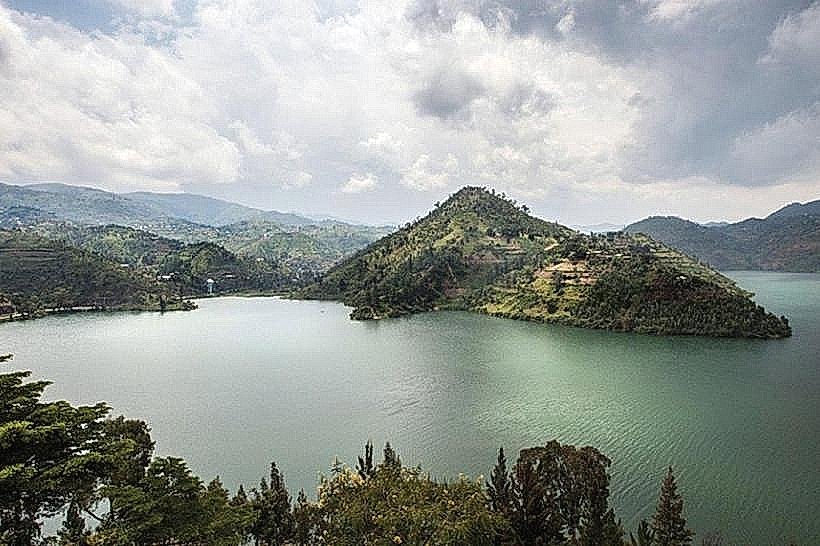
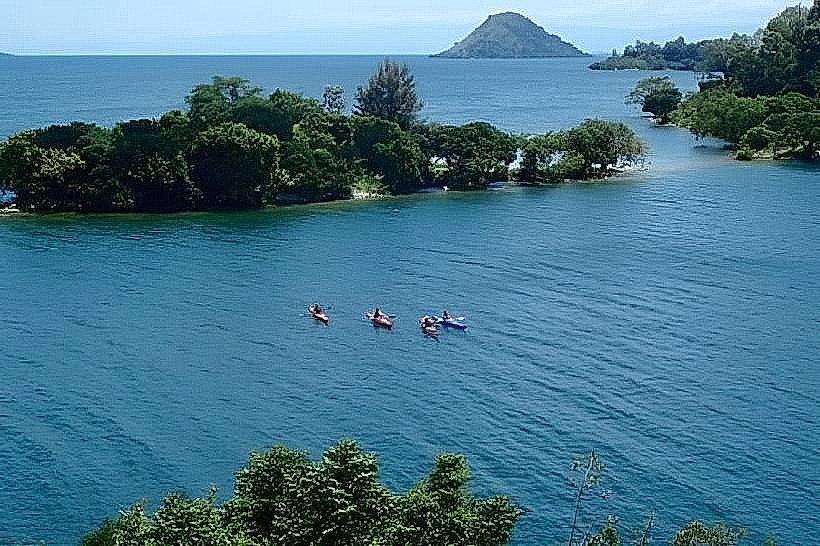
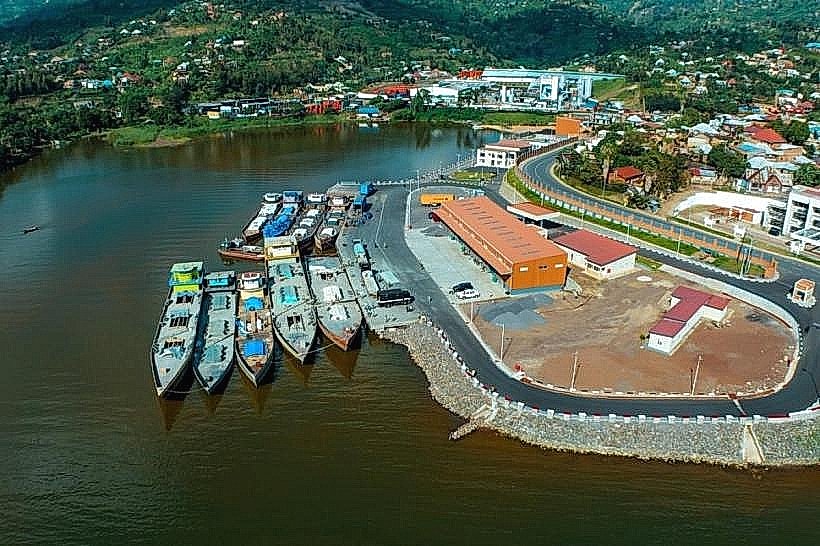
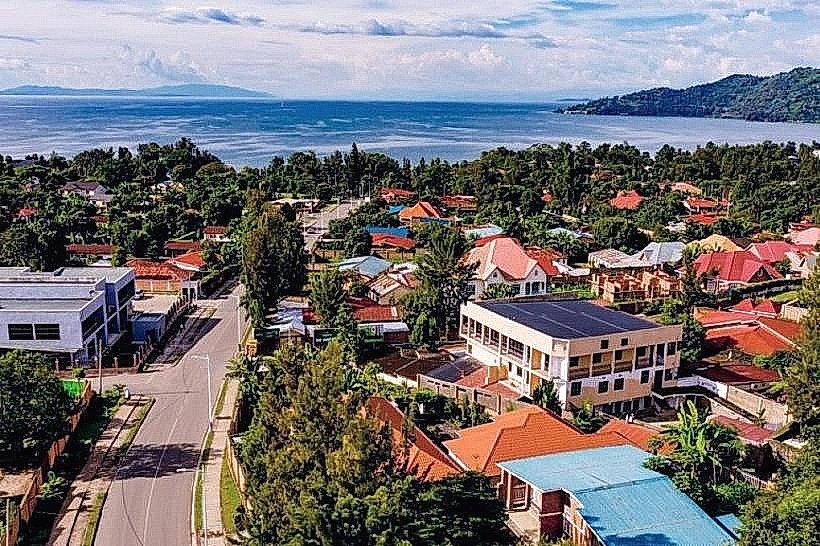
Rubavu serves as the primary port city and lakeside resort hub of Rwanda, situated on the northern shore of Lake Kivu. The city is located on the border with the Democratic Republic of the Congo, directly adjacent to the city of Goma.
Historical Timeline
The city, formerly known as Gisenyi, was established as a colonial administrative post during the German and Belgian eras. Following Rwanda's independence in 1962, it transitioned into a key trade and leisure destination. The most significant architectural and infrastructural shift occurred after 1994, focusing on the development of the "Gisenyi Beach" area and the "Petite Barrière" border post. The current urban form is defined by the 2002 eruption of the nearby Mount Nyiragongo, which sent lava flows toward the city, leading to modernized reconstruction and a redesigned lakefront.
Demographics & Population
The population of the Rubavu district is approximately 550,000, with roughly 150,000 residents living in the main urban area of Gisenyi. The demographic is almost entirely Rwandan (99%), though the city hosts a significant transient population of Congolese traders and international NGO workers. The median age is 19.8 years.
Urban Layout & Key Districts
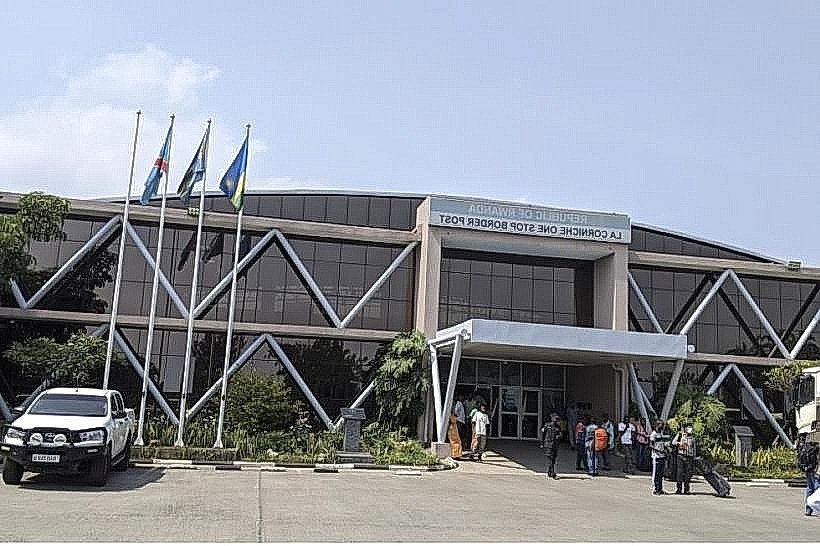
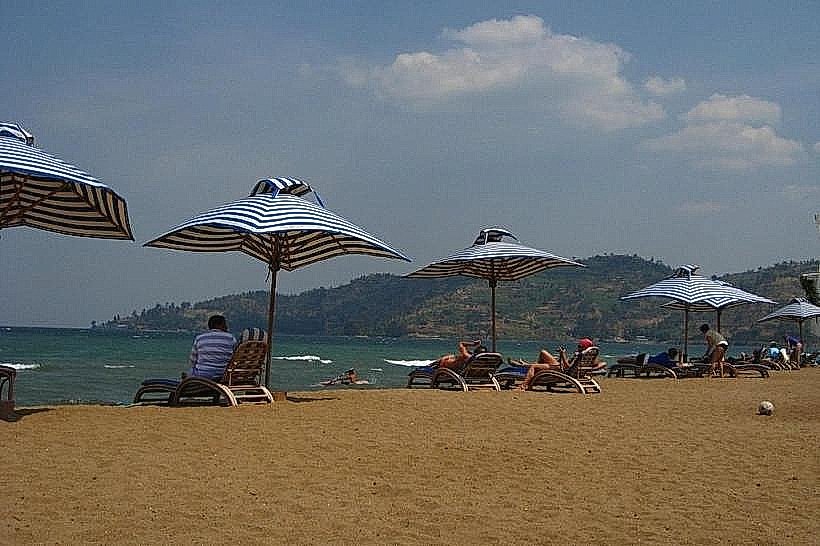
The city is organized along the Lake Kivu coastline and the volcanic slopes to the north. Gisenyi Beach is the primary district for tourism, featuring high-end hotels and the public beach. The Border Zone (Petite Barrière) is the economic engine, handling one of the highest volumes of daily pedestrian border crossings in the world. Nyakiliba serves as the residential and educational sector to the east.
Top City Landmarks
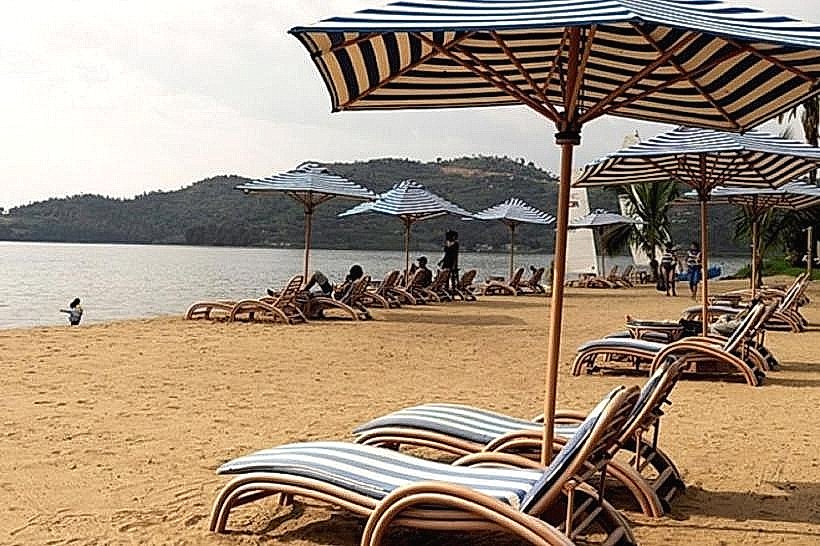
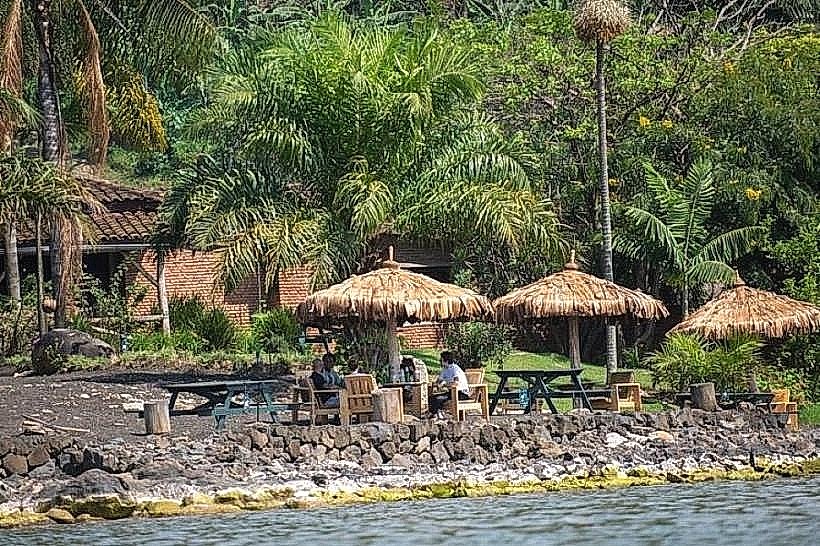
Lake Kivu Public Beach: The largest inland beach in Rwanda, featuring volcanic sand.
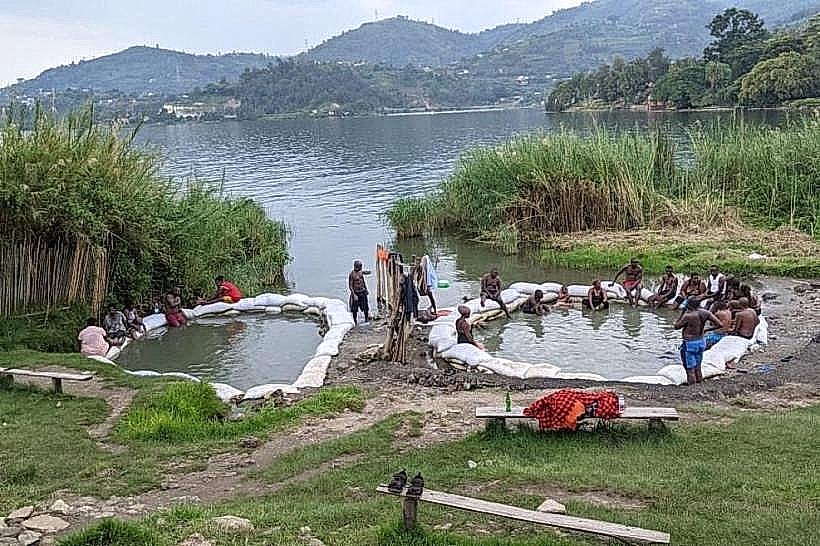
Rubavu Hot Springs (Nyamyumba): Natural geothermal springs located 7 km south of the center.
The Petite Barrière: A high-traffic international border crossing known for its organized trade flow.
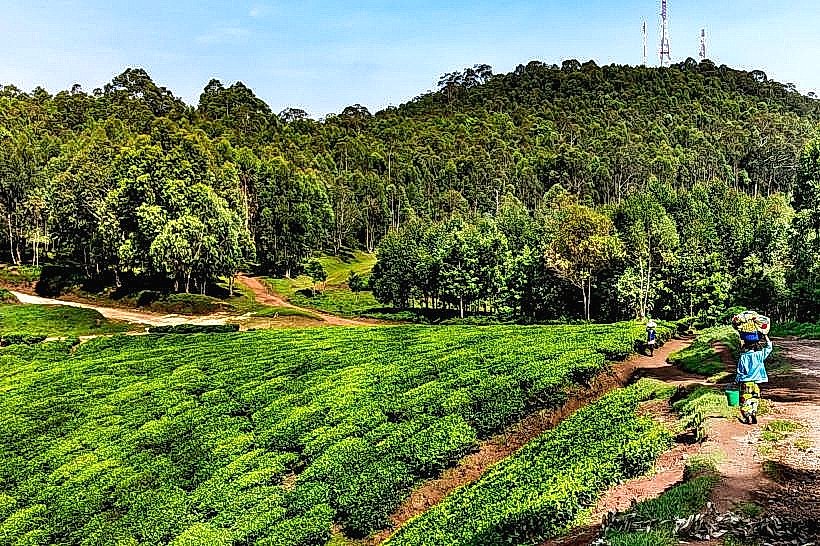
Pfunda Tea Estate: A massive plantation and processing facility on the outskirts of the city.
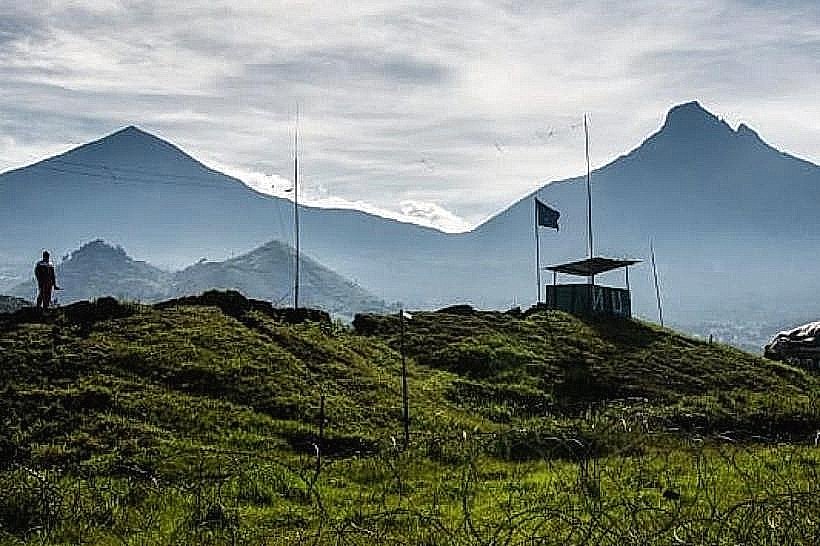
Mount Rubavu: A central hill offering a 360-degree view of the city, the lake, and the Virunga volcanoes.
Transportation Network
Intra-city transit is dominated by Moto-taxis, where drivers wear yellow or light-blue vests. Official taxis are white with orange stripes. Public buses operated by Virunga Express and Ritco connect Rubavu to Kigali and Musanze. The city is walkable along the lakefront, but motorbikes are necessary for the steep residential hills. Traffic density is moderate but peaks at the border crossing during business hours.
Safety & "Red Zones"
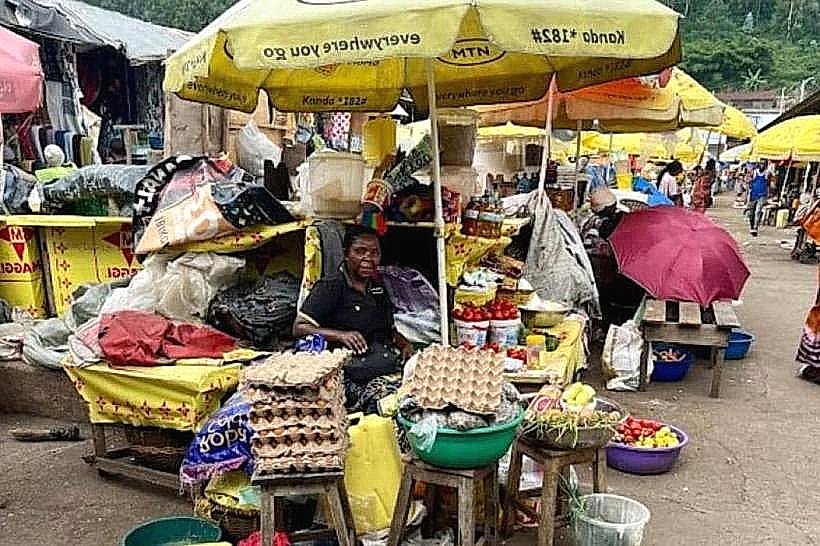
Rubavu is generally safe for travelers, though the proximity to the Congolese border requires staying informed of local regional security updates. There are no specific "red zones" within the city, but visitors should avoid the immediate border fence area at night. Pickpocketing is a known issue at the Mbugangari Market.
Digital & Financial Infrastructure
Average internet speed is 20-30 Mbps, with strong 4G coverage from MTN and Airtel. Credit cards are accepted at major resorts like the Lake Kivu Serena, but cash (RWF) is essential for most local transactions. ATMs are concentrated in the town center, primarily operated by Bank of Kigali and Cogebanque.
Climate & Air Quality
The city enjoys a tropical highland climate with temperatures between 16°C and 26°C. The "long rains" occur from March to May. Air quality is generally high, though volcanic dust from Mount Nyiragongo can occasionally affect the atmosphere during periods of high seismic activity in the neighboring DRC.
Culture & Social Norms
Tipping is not required but 5-10% is appreciated in lakeside restaurants. Greetings usually involve a handshake or a light double-cheek touch among friends. Swimwear is acceptable on the beach but not in the town center or markets. Alcohol consumption is common at the lakefront "beach bars," and smoking is restricted in public buildings.
Accommodation Zones
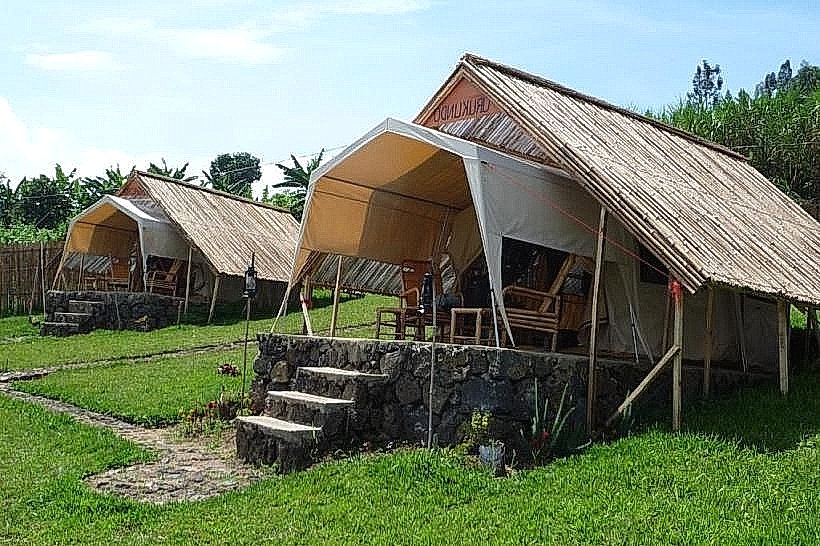
Stay in Gisenyi Beach for direct access to the water, luxury amenities, and the main tourism strip.
Stay in the Town Center (Nyarugenge) for logistical proximity to the bus station and cheaper local dining options.
Local Cost Index
1 Espresso: 2,200 RWF ($1.70 USD)
1 Standard Lunch: 5,500 RWF ($4.25 USD)
1 Moto-taxi (Short trip): 600 RWF ($0.45 USD)
Nearby Day Trips
Congo Nile Trail: Starts in Rubavu, offering hiking or biking routes south (1-5 days).
Nyamyumba Hot Springs: 7 km (15 mins) for geothermal baths.
Pfunda Tea Factory: 9 km (20 mins) for industrial tours.
Goma (DRC) Overlook: 3 km (10 mins) to view the neighboring city from Mount Rubavu.
Facts & Legends
Local legend states that the waters of Lake Kivu near the Nyamyumba Hot Springs possess medicinal properties that can cure skin ailments and joint pain. Geologically, the city is famous for being situated over a "killer lake" that contains vast deposits of methane and carbon dioxide, which the Rwandan government now extracts for electricity at the nearby KivuWatt power plant.