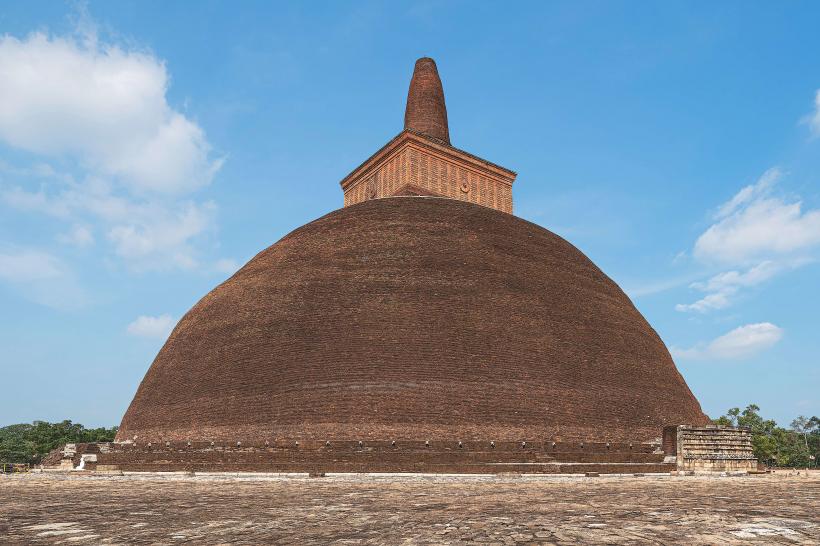
Landmark: Abhayagiri Stupa
City: Anuradhapura
Country: Sri Lanka
Continent: Asia
Abhayagiri Stupa, Anuradhapura, Sri Lanka, Asia
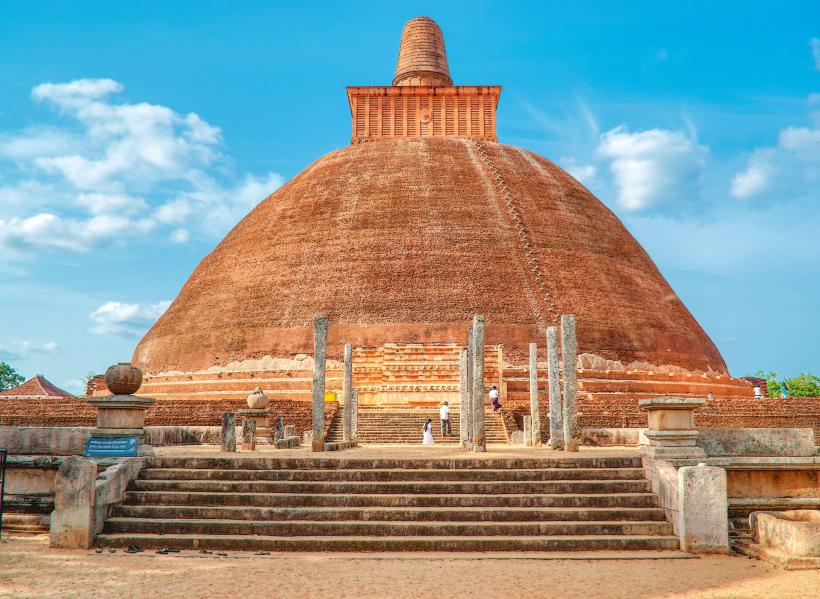
The Abhayagiri Stupa is a large Buddhist stupa located in the ancient city of Anuradhapura, Sri Lanka. It is one of the most significant religious structures in the complex.
Visual Characteristics
The stupa is constructed primarily from brick and measures approximately 71.6 meters (235 feet) in height. Its base is circular, and it features a distinctive dome shape. The exterior is characterized by its weathered red brickwork. The architectural style is indicative of the Anuradhapura period.
Location & Access Logistics
The Abhayagiri Stupa is situated within the Anuradhapura Sacred City, approximately 3 kilometers (1.9 miles) north of the modern city center. Access is via the main road leading into the Sacred City, often referred to as the Anuradhapura-Polonnaruwa Road. Parking is available at designated areas within the Sacred City complex. Public transport options include local buses that service the Anuradhapura town and Sacred City entrance. From the entrance, it is a walk or a short tuk-tuk ride to the stupa.
Historical & Ecological Origin
Construction of the Abhayagiri Stupa began in the 1st century BCE under King Vattagamani Abhaya. It served as the centerpiece of the Abhayagiri Vihara, a major monastic complex and a center of Theravada Buddhism. The stupa was rebuilt and expanded multiple times throughout its history.
Key Highlights & Activities
Visitors can walk around the base of the stupa. Observation of the architectural details and the surrounding monastic ruins is possible. Photography is permitted. Entry to the Sacred City requires a ticket.
Infrastructure & Amenities
Restrooms are available at the Sacred City entrance and at various points within the complex. Shade is limited around the stupa itself, with some trees present in the wider complex. Cell phone signal (4G/5G) is generally available. Food vendors and small shops are located near the Sacred City entrance and in the modern city.
Best Time to Visit
The best time of day for photography is early morning or late afternoon to avoid harsh sunlight and capture softer light on the brickwork. The dry season, from May to September, offers the most favorable weather conditions. There are no specific tide requirements for visiting.
Facts & Legends
The Abhayagiri Vihara was a prominent center for Buddhist learning and housed a significant community of monks. It was known for its open-minded approach to religious doctrine, which sometimes led to friction with other monastic orders. A notable artifact found at the site is the Abhayagiri Boundary Stone, inscribed with early Brahmi script.
Nearby Landmarks
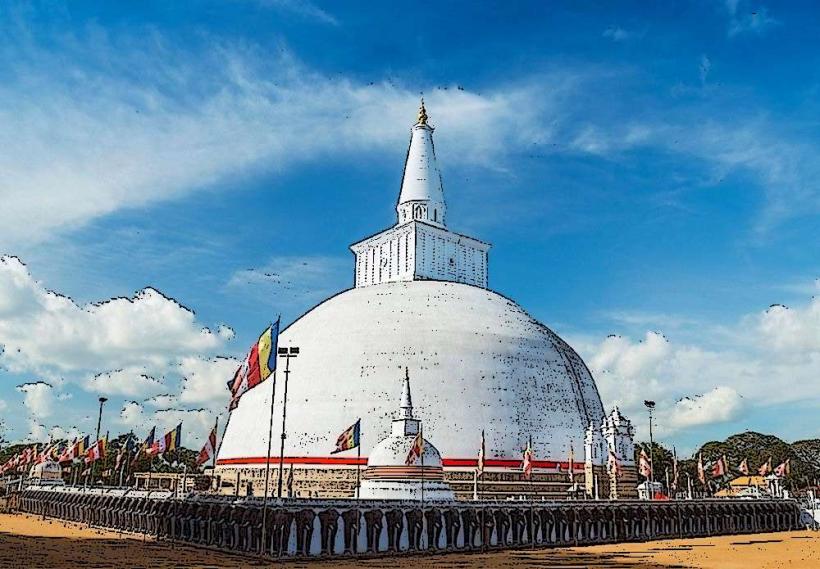
Ruwanwelisaya Stupa: 0.8km South-West
Jethawanaramaya Stupa: 1.2km South
Moonstone (Sandakada Pahana) at the entrance to the Royal Pleasure Garden: 0.6km South
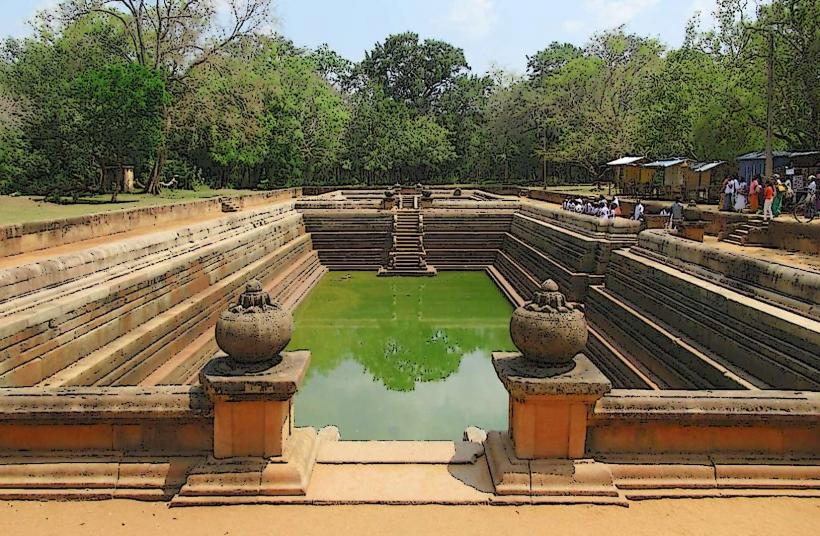
Twin Ponds (Kuttam Pokuna): 0.7km South-West
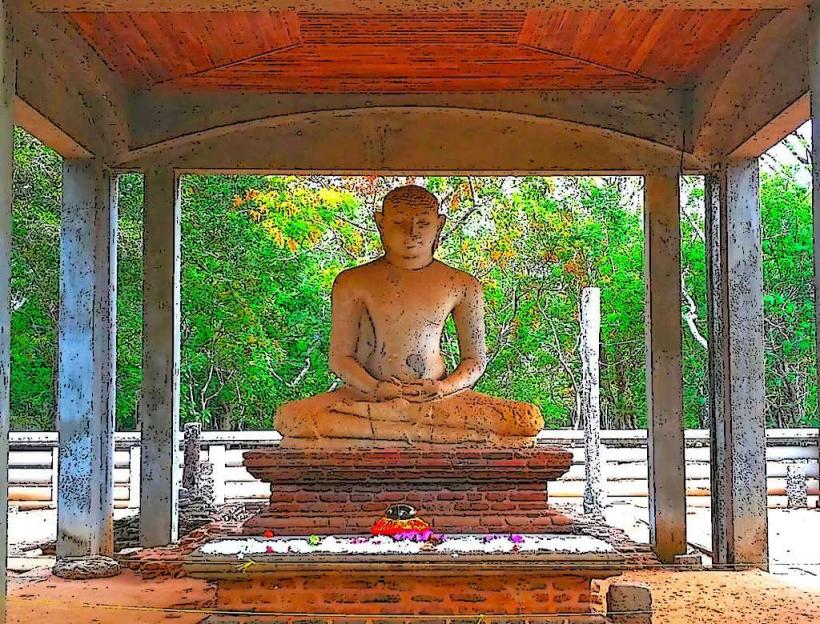
Samadhi Statue: 1.5km South-West