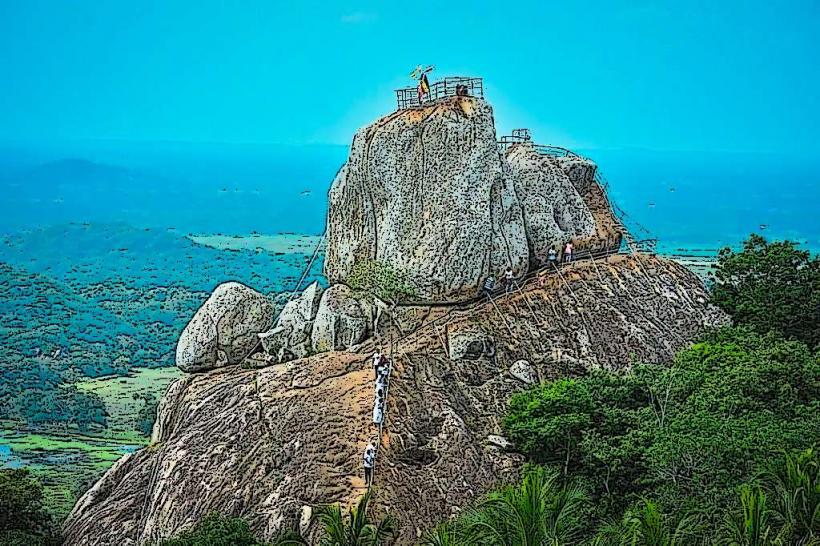
Landmark: Mihintale
City: Anuradhapura
Country: Sri Lanka
Continent: Asia
Mihintale, Anuradhapura, Sri Lanka, Asia
Mihintale is a mountain peak and archaeological site located near Anuradhapura, Sri Lanka. It is recognized as the cradle of Buddhism in Sri Lanka.
Visual Characteristics
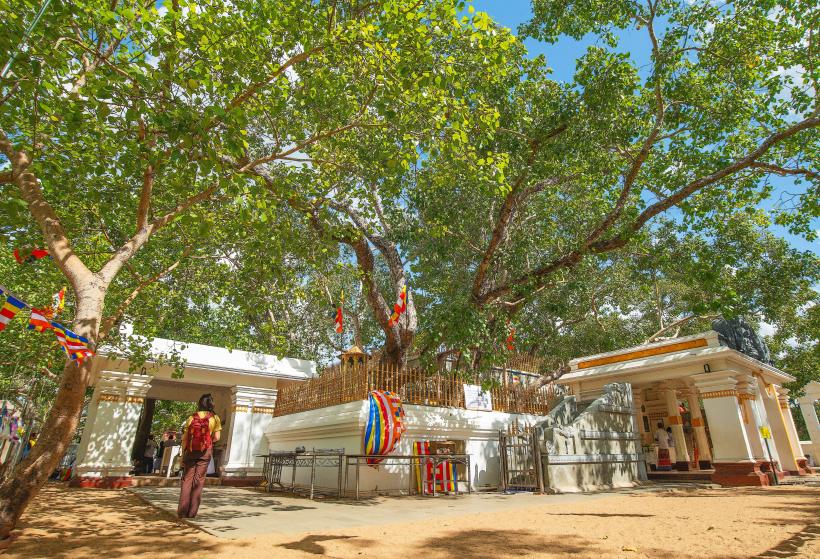
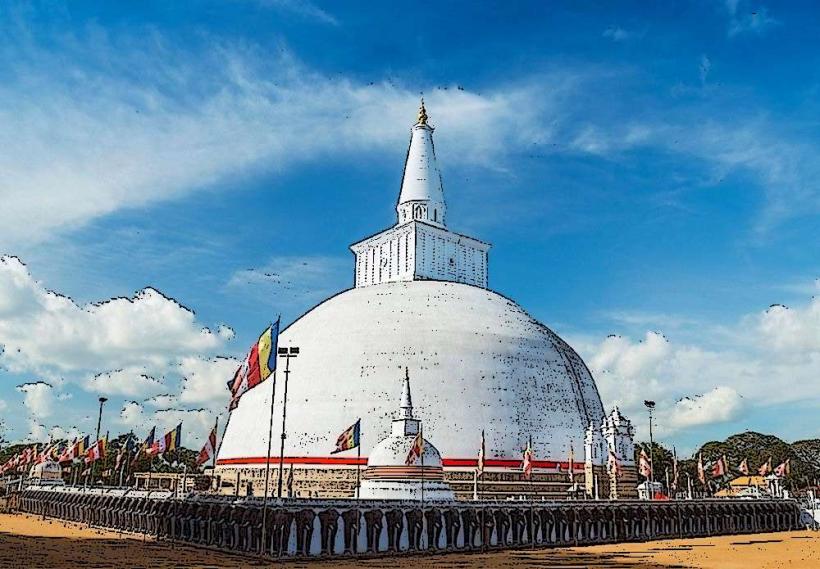
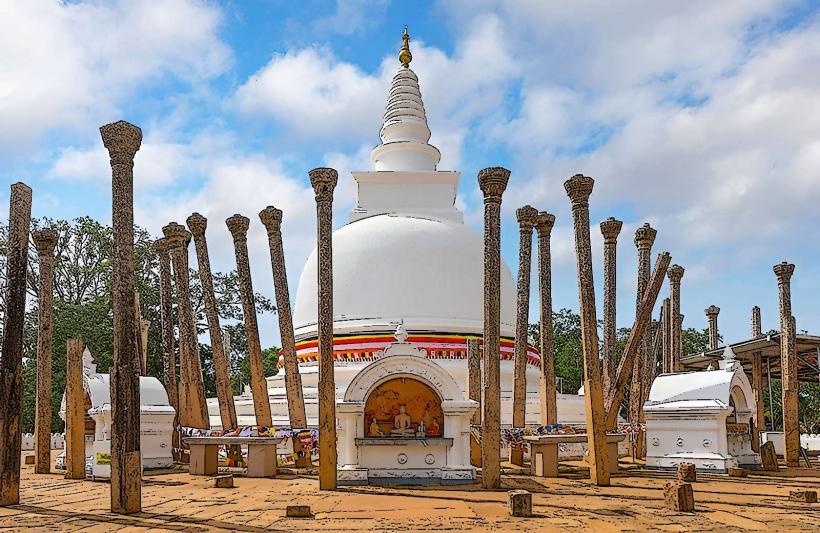
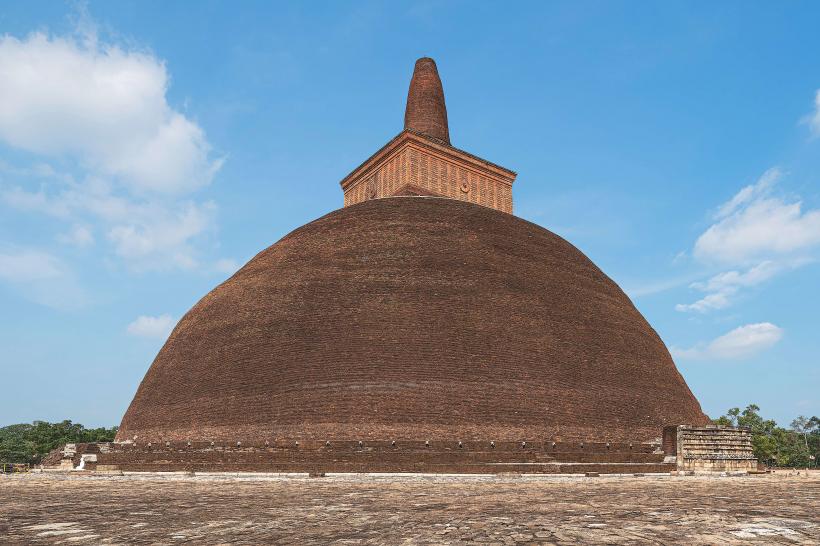
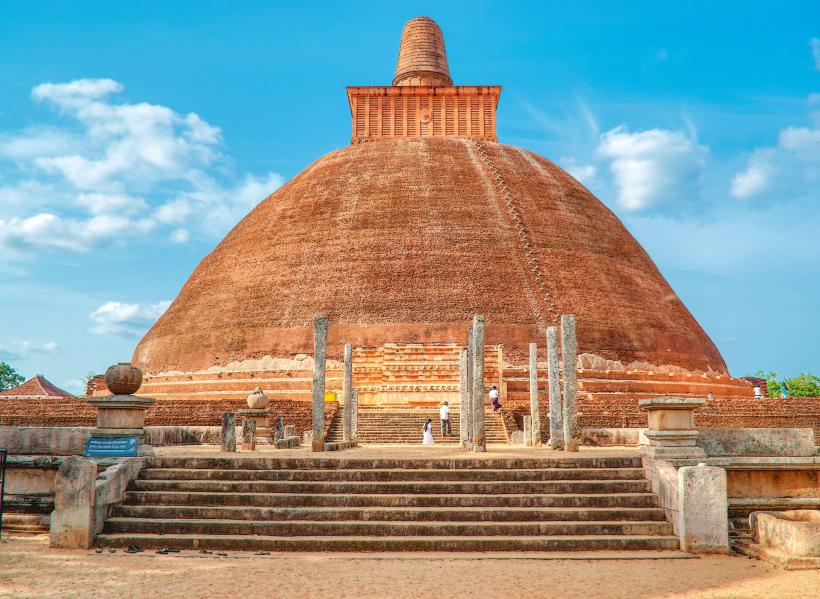
The site features a series of rock formations, ancient stupas, caves, and monastic structures. The primary materials used in construction are granite and brick. The main stupa, the Maha Seya, is a large dome-shaped structure. Numerous rock shelters, known as caves, are carved into the mountainside. Vegetation is moderate, consisting of scrub jungle and trees.
Location & Access Logistics
Mihintale is situated approximately 13 kilometers east of Anuradhapura city center. Access is via the A20 road. A dedicated access road leads to the base of the mountain, where parking facilities are available. Public bus services operate from Anuradhapura town to Mihintale; specific bus numbers are typically displayed at the Anuradhapura bus station. The climb involves a significant number of stone steps.
Historical & Ecological Origin
Mihintale is historically significant as the site where Mahinda Thera, son of Emperor Ashoka of India, met King Devanampiyatissa in the 3rd century BCE, introducing Buddhism to Sri Lanka. The rock formations are part of the Precambrian crystalline basement of Sri Lanka.
Key Highlights & Activities
Climbing the main staircase to the summit is a primary activity. Visitors can explore the Maha Seya stupa, the Kantaka Chetiya, the Refectory (Maha Pasada), and the caves where monks resided. The Ambasthale stupa offers panoramic views. Observing the natural rock formations and the surrounding landscape is also a key aspect.
Infrastructure & Amenities
Restrooms are available at the base of the mountain and at certain points along the ascent. Shade is provided by trees and some man-made structures. Cell phone signal (4G/5G) is generally available. Food vendors and small shops are located at the base of the mountain.
Best Time to Visit
The best time of day for photography is early morning or late afternoon to avoid harsh sunlight and capture softer light. The dry season, from May to September, offers the most favorable weather conditions. Visiting during the Poson Poya festival (June) is significant for religious pilgrims but results in large crowds.
Facts & Legends
A notable legend states that King Devanampiyatissa was hunting when Mahinda Thera appeared and asked him a question about the king's own mindfulness, initiating their conversation. A specific tip for visitors is to wear comfortable footwear due to the extensive stone steps.
Nearby Landmarks
- Anuradhapura Ancient City (13km West)
- Jetavanaramaya (12km West)
- Ruwanwelisaya (11km West)
- Isurumuniya Temple (14km West)
- Minneriya National Park (45km Southeast)