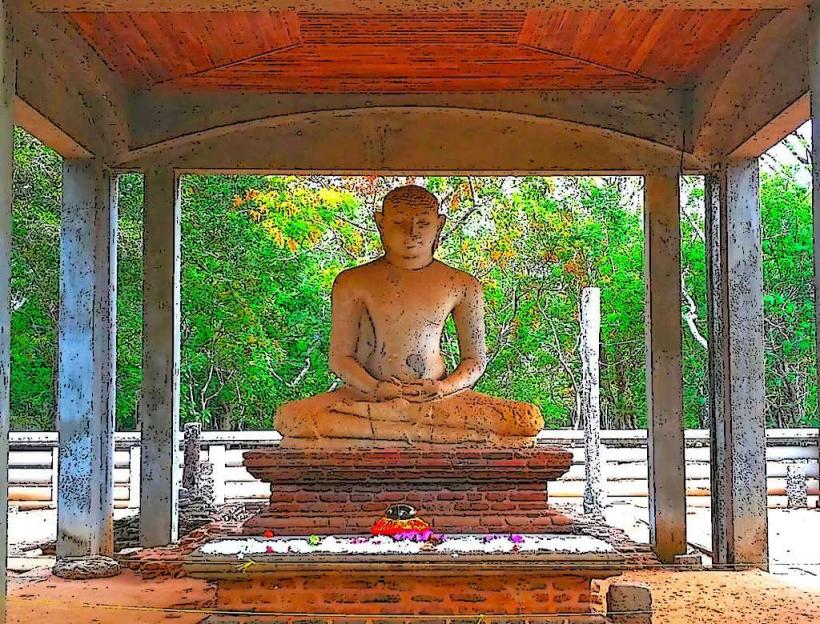
Landmark: Samadhi Buddha Statue
City: Anuradhapura
Country: Sri Lanka
Continent: Asia
Samadhi Buddha Statue, Anuradhapura, Sri Lanka, Asia
The Samadhi Buddha Statue is a seated Buddha image located in Anuradhapura, Sri Lanka. It is carved from a single block of granite.
Visual Characteristics
The statue depicts the Buddha in a meditative pose (Samadhi mudra). It is carved from grey granite. The figure is approximately 7 feet (2.1 meters) tall. The architectural style is characteristic of the Anuradhapura period, with a serene and contemplative expression.
Location & Access Logistics
The statue is situated within the ancient city of Anuradhapura, specifically in the Mahamevnāwa Gardens. It is approximately 3 kilometers (1.9 miles) south of the Anuradhapura town center. Access is via the main road leading into the ancient city. Parking is available at designated areas within the Mahamevnāwa Gardens. Public transport options include local buses that service the Anuradhapura town and surrounding ancient sites.
Historical & Ecological Origin
The Samadhi Buddha Statue is believed to have been carved during the 3rd or 4th century AD, likely during the reign of King Devanampiya Tissa or his successors. Its original purpose was religious devotion and meditation. The statue is carved from a single piece of local granite, a common geological formation in the region.
Key Highlights & Activities
Observation of the statue's craftsmanship and meditative posture. Photography is permitted. Visitors can walk around the statue and its surrounding garden area. The site is a place for quiet contemplation.
Infrastructure & Amenities
Restrooms are available within the Mahamevnāwa Gardens complex. Shade is provided by mature trees in the vicinity. Cell phone signal (4G/5G) is generally available. Food vendors are typically located near the entrance to the ancient city complex, not directly at the statue site.
Best Time to Visit
The best time of day for photography is early morning or late afternoon to avoid harsh midday light. The best months for weather are generally from December to March, which falls within the dry season. No specific tide requirements apply.
Facts & Legends
A notable feature of the statue is that the eyes appear to be closed, signifying deep meditation. Local lore suggests that the statue's gaze shifts depending on the viewer's spiritual state, though this is a matter of belief rather than verifiable fact. The statue is one of the most significant examples of Anuradhapura-era Buddhist art.
Nearby Landmarks
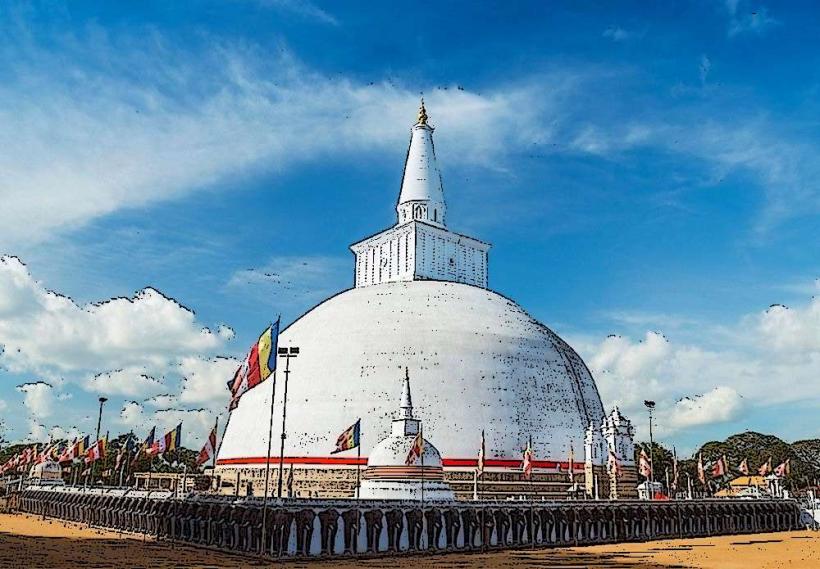
- Ruwanwelisaya Stupa (1.2km Northwest)
- Jethawanaramaya Stupa (1.8km North)
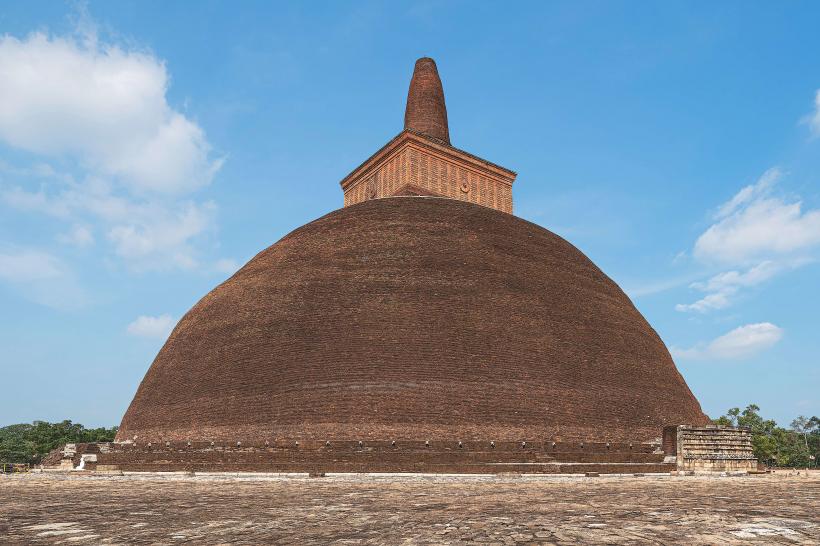
- Abhayagiri Dagoba (2.5km North)
- Lankaramaya Temple (0.8km West)
- Moonstone (Sandakada Pahana) at the entrance to the Royal Palace (1.5km Northwest)