Landmark: Apollonia National Park
City: Herzliya
Country: Israel
Continent: Asia
Apollonia National Park, Herzliya, Israel, Asia
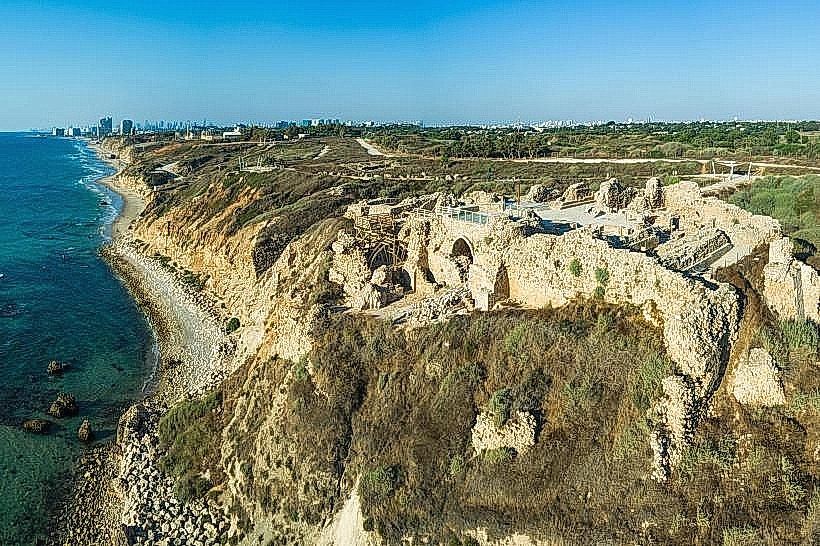
The Apollonia National Park is an archaeological site situated on a coastal cliff in the northern part of Herzliya, Israel. It contains the ruins of the ancient city of Arsuf, spanning the Roman to the Crusader periods.
Visual Characteristics
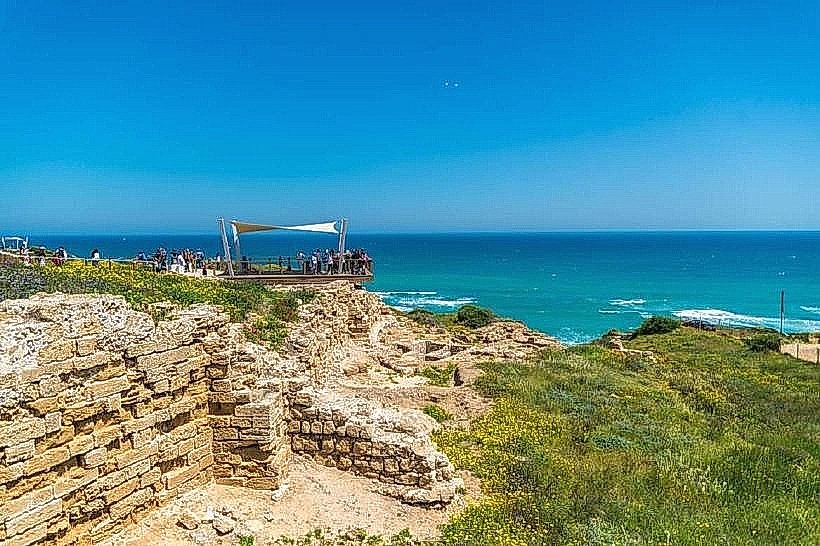
The park is dominated by the massive limestone ruins of a Crusader-era fortress and a Roman villa. Perched on a sandstone cliff 30 meters above the Mediterranean, the site features excavation pits, Byzantine glass kilns, and weathered stone walls. The surrounding landscape consists of coastal vegetation and rocky shorelines.
Location & Access Logistics
The park is located at the northern end of Wingate Street in Herzliya Pituah, approximately 15 kilometers north of Tel Aviv. Access is via the Coastal Highway (Route 2), exiting at the Kfar Shmaryahu interchange. Public transport is available via bus line 29 to the Herzliya Pituah area, followed by a walk or local taxi. A paved parking lot is located at the park entrance.
Historical & Ecological Origin
The city was founded by the Phoenicians in the 6th century BCE and later renamed Apollonia during the Hellenistic period. The Crusader fortress was built in 1241 and destroyed by the Mamluks in 1265. Geologically, the site sits on a kurkar (eolianite) ridge that is subject to ongoing marine erosion.
Key Highlights & Activities
Visitors can explore the Crusader castle, including its moat and inner halls. A circular trail leads past a Roman villa and Byzantine industrial installations. The cliffside provides extensive views of the Mediterranean Sea and the central Israeli coastline.
Infrastructure & Amenities
The park features a visitor center, a small souvenir shop, and restrooms. Shaded rest areas and benches are positioned along the marked trails. The main paths are accessible for wheelchairs and strollers, though some sections of the fortress have stairs. 5G cellular signal is strong throughout the site.
Best Time to Visit
Photography is optimal during the late afternoon when the sun highlights the stone textures of the fortress against the sea. The site is best visited from October to May to avoid extreme summer heat. Operating hours are 8:00 AM to 4:00 PM daily (closing at 3:00 PM on Fridays).
Facts & Legends
A historical oddity is the discovery of a large cache of Byzantine-era glass lamps at the site, indicating the presence of a significant glass-making industry. Legend tells of the fierce battle between the Crusader forces and Sultan Baybars' Mamluk army, which led to the fortress's ultimate downfall.
Nearby Landmarks
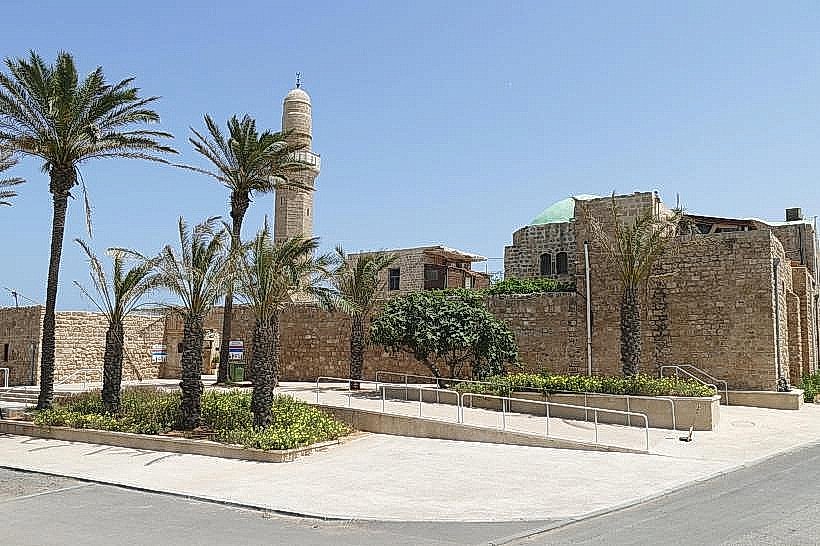
Sidna Ali Mosque – 0.6km South
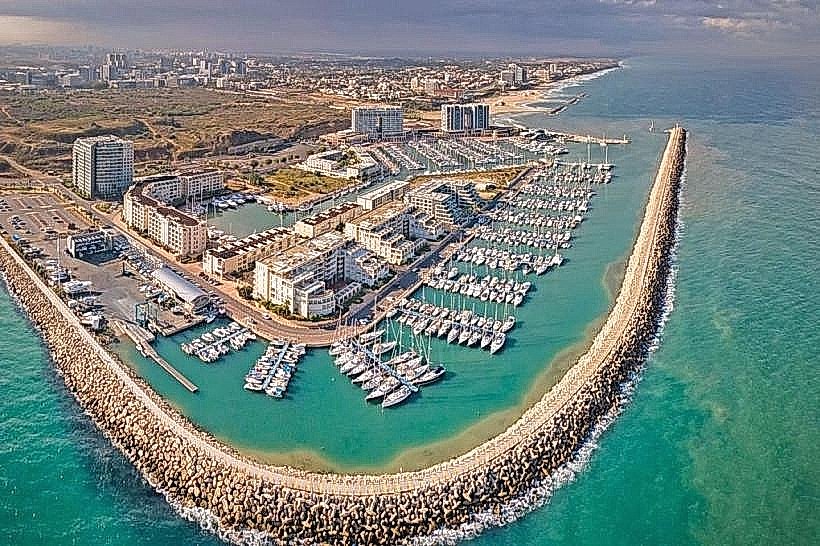
Herzliya Marina Promenade – 3.2km South
Tel Michal – 3.8km South