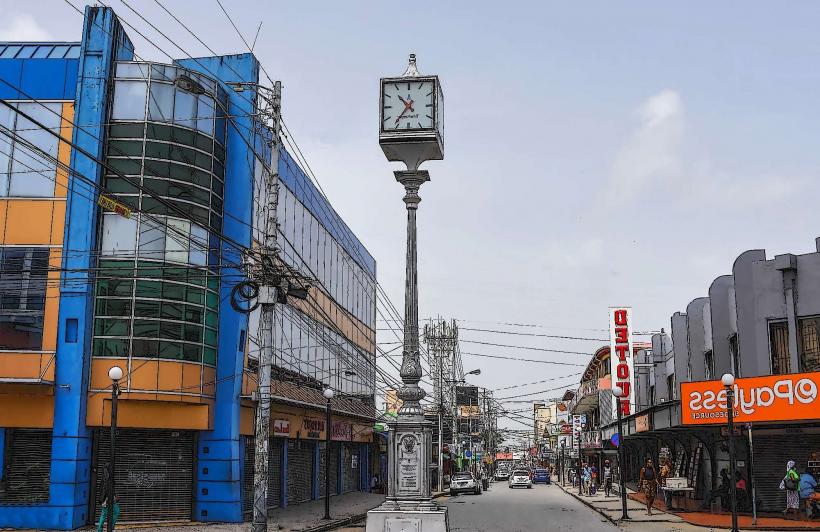
Landmark: Arima Dial
City: Arima
Country: Trinidad and Tobago
Continent: North America
Arima Dial, Arima, Trinidad and Tobago, North America
Arima Dial is a natural hot spring located within the Arima Valley, approximately 5 kilometers northeast of the city center of Arima, Trinidad and Tobago.
Visual Characteristics
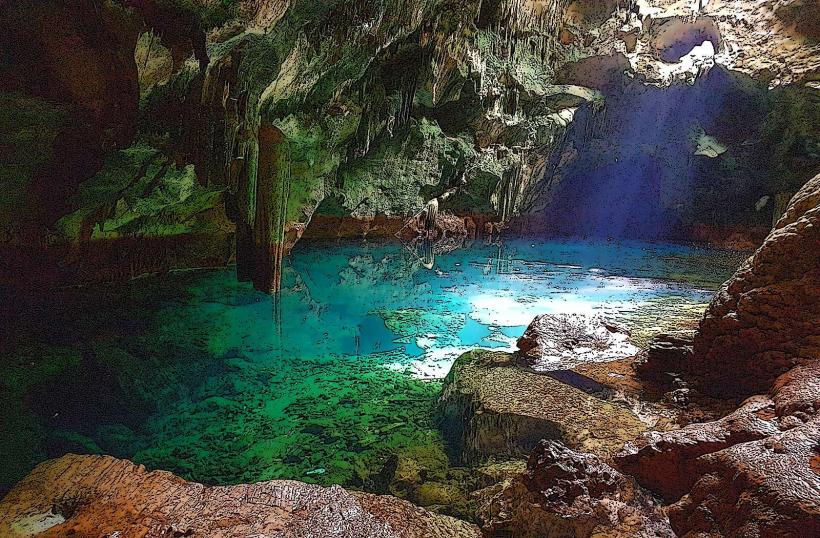
The hot spring pool measures approximately 8 meters in diameter and 4 meters in depth. The water exhibits a milky, opaque appearance due to dissolved minerals. The surrounding area is characterized by dense tropical rainforest vegetation, with large buttress roots of mature trees visible near the pool's edge. The ground immediately surrounding the pool consists of damp, dark earth and exposed rock formations.
Location & Access Logistics
Access to Arima Dial is via Blanchisseuse Road (North Coast Road). From Arima city center, proceed north on Blanchisseuse Road for approximately 4.5 kilometers. A small, unpaved access track branches off to the east. This track is approximately 50 meters long and is suitable for 4WD vehicles. Parking is limited to roadside space at the track's entrance. Public transport to this specific location is not available; visitors typically arrange private transport or taxis from Arima.
Historical & Ecological Origin
Arima Dial is a geothermal feature, a natural hot spring formed by underground volcanic activity. The specific geological processes responsible for its formation are linked to the underlying tectonic plate movements in the Caribbean region. The surrounding rainforest is a primary tropical moist forest ecosystem.
Key Highlights & Activities
Bathing in the hot spring is the primary activity. The water temperature averages 38 degrees Celsius. Visitors can observe the surrounding rainforest flora and fauna. Short walks along the access track are possible.
Infrastructure & Amenities
There are no formal facilities at Arima Dial. Restrooms are not available. Natural shade is provided by the dense tree canopy. Cell phone signal is intermittent and unreliable. No food vendors are present at the site; visitors should bring their own provisions.
Best Time to Visit
The best time of day for visiting is between 09:00 and 15:00, when ambient light is sufficient for navigation and observation. The dry season, from January to May, offers more predictable weather conditions. There are no tidal considerations.
Facts & Legends
Local folklore suggests the waters possess restorative properties. A specific historical account details its use by indigenous populations for medicinal purposes prior to colonial settlement.
Nearby Landmarks
- Maracas Waterfall (3.2km Northwest)
- El Tucuche (4.1km North)
- Aripo Caves (4.8km East)
- Salybia Bay (4.9km Northeast)