Landmark: Arno Lagoon Snorkeling Zones
City: Arno Atoll
Country: Marshall Islands
Continent: Australia
Arno Lagoon Snorkeling Zones, Arno Atoll, Marshall Islands, Australia
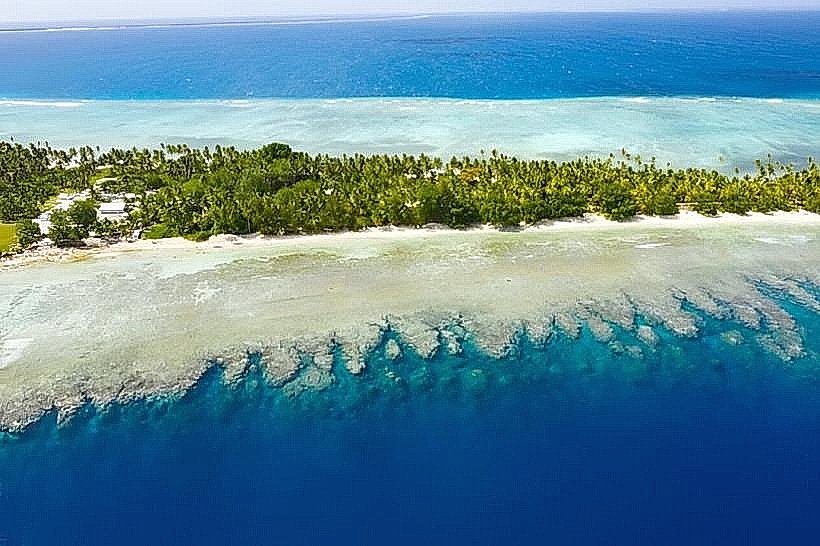
Arno Lagoon Snorkeling Zones are located within Arno Atoll in the Marshall Islands. These designated areas provide access to the lagoon's underwater environment for observation and activity.
Visual Characteristics
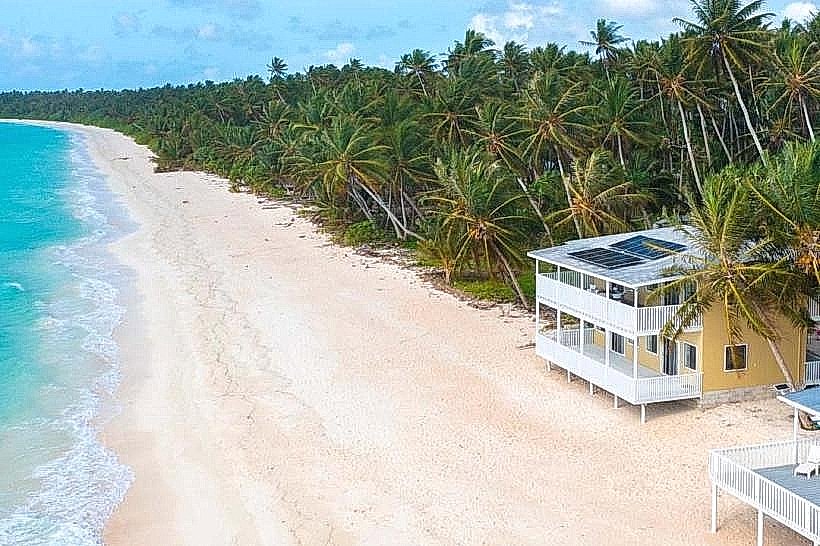
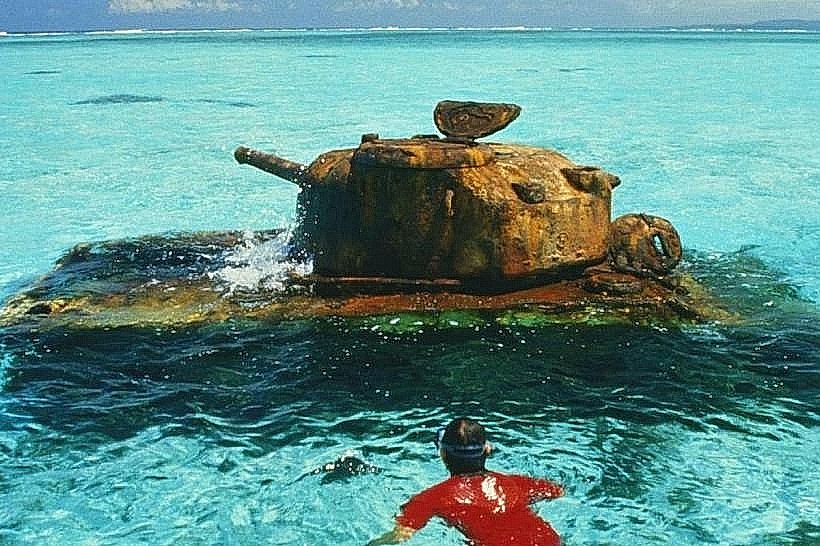
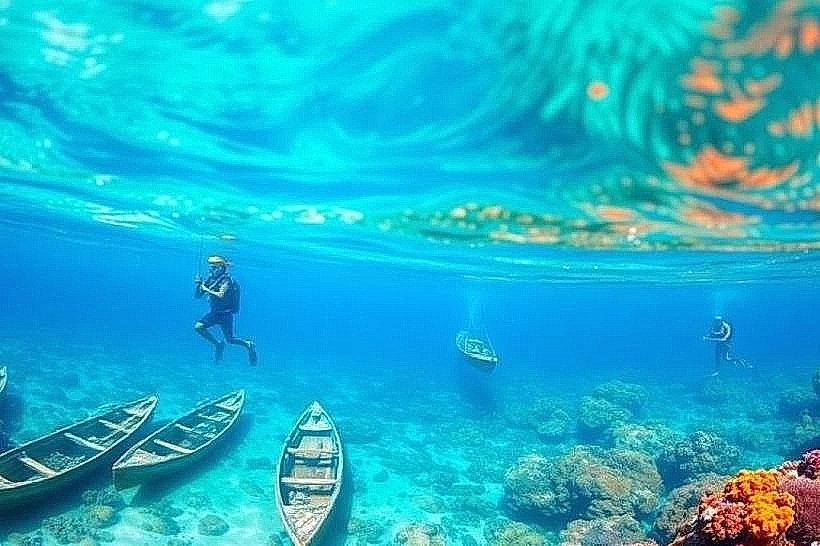
The lagoon water exhibits varying shades of turquoise and deep blue, influenced by depth and substrate. Submerged coral formations create complex structures. Sand composition ranges from fine white coral fragments to coarser shell detritus. Visibility is typically high, allowing for observation of marine life and geological features on the lagoon floor.
Location & Access Logistics
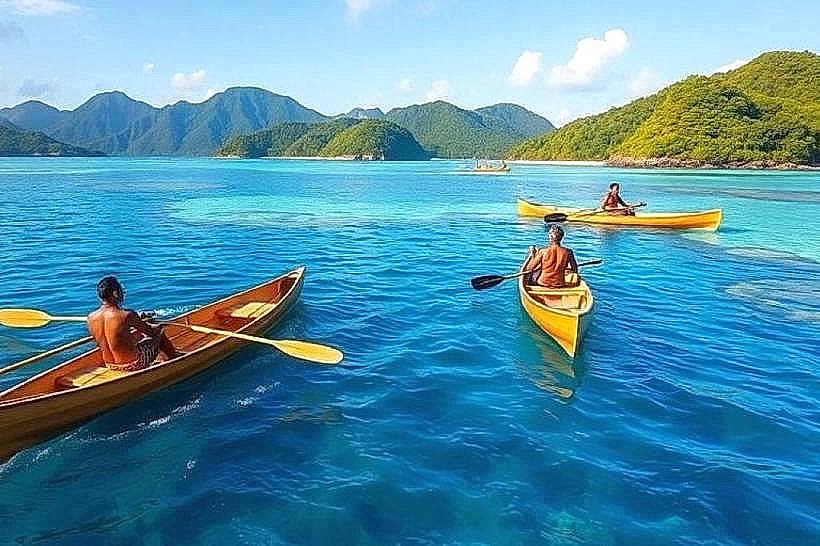
Access to Arno Atoll is primarily via boat from Majuro Atoll. Inter-island transport services operate on a schedule, typically departing from the main dock in Delap Village, Majuro. The journey duration is approximately 2-3 hours. Within Arno Atoll, local boat operators can transport visitors to specific snorkeling zones. There are no public roads connecting the islands of Arno Atoll. Parking is not applicable as access is water-based.
Historical & Ecological Origin
Arno Atoll is a coral atoll, formed by the accumulation of coral skeletons over volcanic seamounts. The lagoon itself is a shallow, protected body of water enclosed by a ring of coral reefs and islets. The snorkeling zones are natural formations within this ecosystem, shaped by tidal currents and marine biological activity over millennia.
Key Highlights & Activities
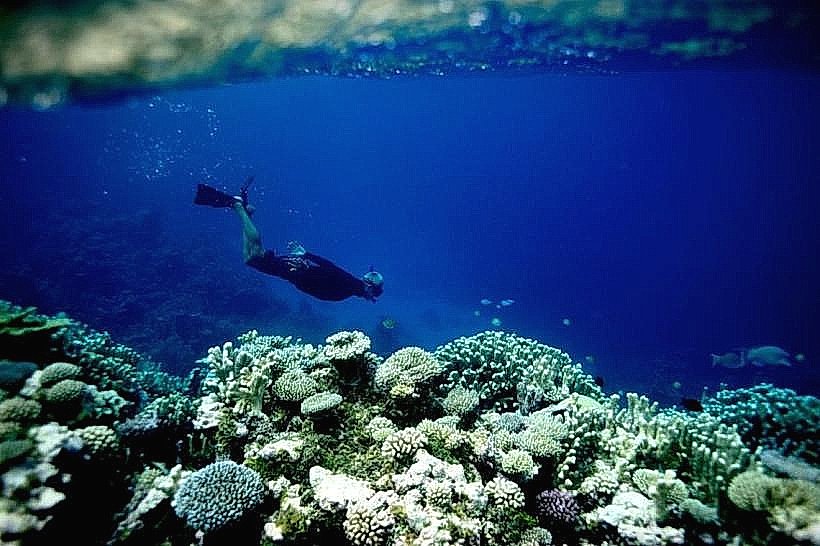
Snorkeling is the primary activity. Visitors can observe diverse coral species, including branching and massive forms. Marine life includes various reef fish, such as angelfish, butterflyfish, and damselfish. Occasional sightings of sea turtles and small reef sharks are possible. Observation of the lagoon floor topography, including sand channels and coral bommies, is also a key highlight.
Infrastructure & Amenities
Designated snorkeling zones generally lack formal infrastructure. Basic amenities such as restrooms or food vendors are not present at the snorkeling sites themselves. Visitors should bring their own supplies. Cell phone signal is unreliable and generally absent within the lagoon.
Best Time to Visit
The best time for snorkeling is during daylight hours when visibility is optimal. Mid-morning to early afternoon provides consistent sunlight penetration. The dry season, from December to April, generally offers calmer seas and lower rainfall, improving water clarity. Tidal conditions can influence water depth and current strength; low tide may expose some shallow reef areas, while high tide provides greater depth for swimming.
Facts & Legends
Local tradition holds that the lagoon's clarity is a reflection of the spirits of the ancestors watching over the atoll. A specific tip for visitors is to look for the "blue holes," small, deep depressions in the reef that often harbor unique marine life.
Nearby Landmarks
- Tobal Island (1.5km Southwest)
- Arno Atoll Research Station (2.0km Northwest)
- Ine Island (3.0km East)
- Matolel Island (4.5km Southeast)