Landmark: Ashkelon National Park
City: Ashkelon
Country: Israel
Continent: Asia
Ashkelon National Park, Ashkelon, Israel, Asia
Ashkelon National Park is a major archaeological and recreational site located on the southern Mediterranean coast in Ashkelon. It protects the ruins of an ancient seaport and serves as one of Israel's most significant coastal heritage sites.
Visual Characteristics
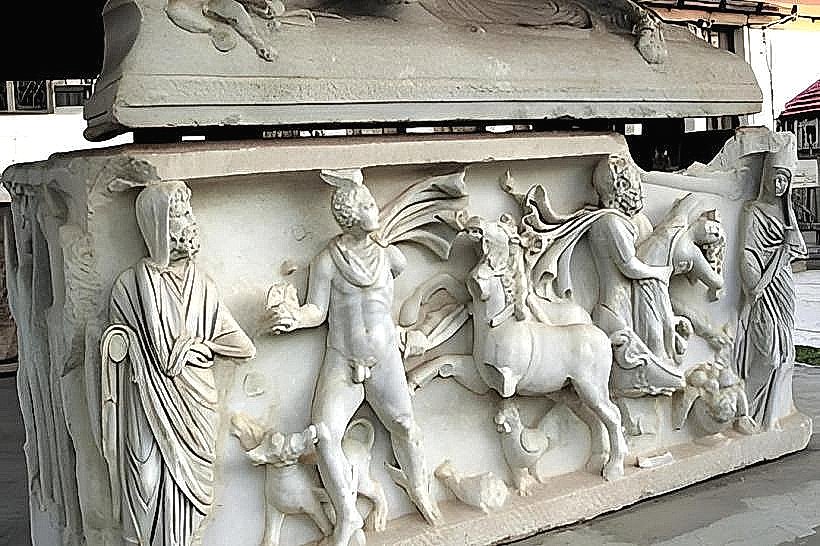
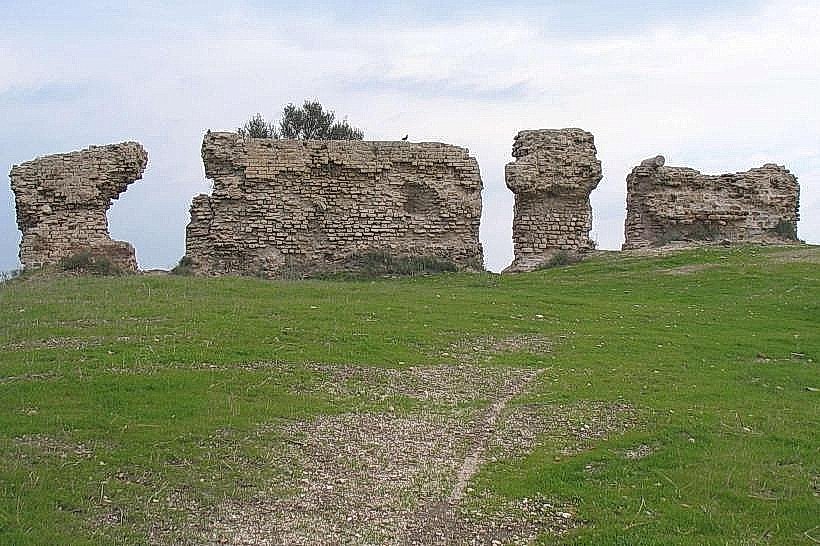
The landscape is a combination of massive stone ruins, rolling sand dunes, and green lawns overlooking the Mediterranean. Significant structures include the curved remains of an arched gate made of sun-dried mud bricks and a large Roman-era basilica featuring marble columns and Corinthian capitals. The park’s western edge consists of steep sandstone cliffs that drop down to a regulated swimming beach.
Location & Access Logistics
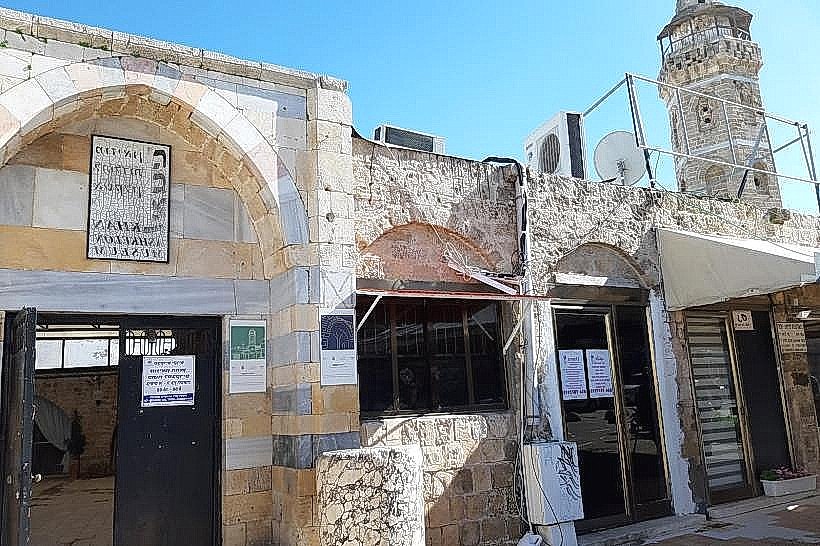
The park is situated at the western end of Ben-Gurion Boulevard in Ashkelon. Access is via Highway 4, taking the Ashkelon North or South interchange and following signs for the National Park or the beach. Public transport is available via bus line 6 from the Ashkelon railway station. There is a large, paved parking area inside the park near the entrance and the camping grounds.
Historical & Ecological Origin
The site has a continuous history of inhabitation spanning 5,000 years, beginning in the Neolithic period. It was a major Canaanite city, a Philistine seaport, and a fortified Crusader stronghold. The Canaanite gate, dating to 1850 BCE, is recognized as the oldest arched gate in the world. Geologically, the park preserves a section of the southern coastal dune system and kurkar (sandstone) ridges.
Key Highlights & Activities
Visitors can walk the "Crusader Wall Trail," which follows the perimeter of the medieval fortifications and provides views of the park and sea. The Canaanite gate and the Roman basilica are primary archaeological stops. The park also includes a regulated beach for swimming and designated areas for overnight camping and picnics.
Infrastructure & Amenities
The park is highly developed with public restrooms, drinking water stations, and several shaded picnic areas equipped with benches. There is a small convenience store and food kiosk near the main entrance. The site offers 5G cellular signal and features paved paths, making large portions of the archaeological area accessible to wheelchairs and strollers.
Best Time to Visit
The best time for photography is during the late afternoon "golden hour" when the sun highlights the texture of the ancient stone and sets over the sea. March and April are the ideal months for weather and for viewing the bloom of wildflowers across the dunes. The park remains open until 10:00 PM during the summer months.
Facts & Legends
A verified historical oddity is that the park contains a massive concentration of ancient wells-over 60 have been discovered-which allowed the city to survive sieges throughout history. Legend also associates the site with the birthplace of Herod the Great, who is credited with building the grand colonnaded basilica.
Nearby Landmarks
Ashkelon Marina – 2.5km North
Afridar Center – 3.0km Northeast
Tel Ashkelon – 0.1km South (contained within)
Zikim Beach – 6.5km South
Sea Park Ashkelon – 3.2km North