Landmark: Khan and Ashkelon History Museum
City: Ashkelon
Country: Israel
Continent: Asia
Khan and Ashkelon History Museum, Ashkelon, Israel, Asia
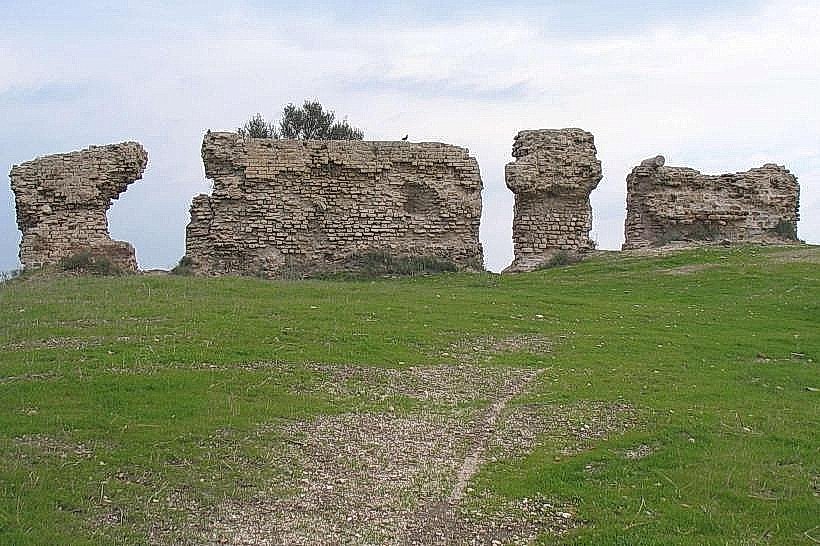
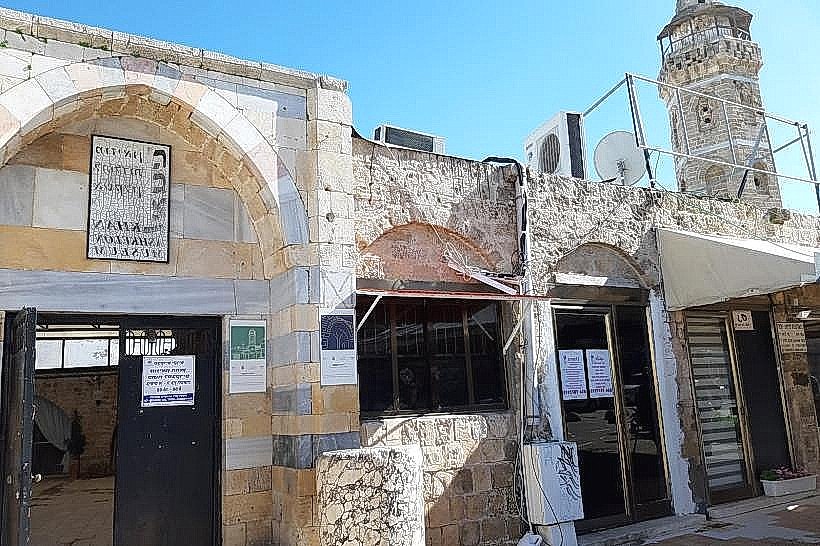
The Khan and Ashkelon History Museum is a local history museum situated in the Migdal neighborhood of Ashkelon. It is housed in the remains of an 18th-century Ottoman caravansary that was originally built using repurposed stones from ancient ruins.
Visual Characteristics
The museum is housed in a single-story limestone structure characterized by massive stone arches, vaulted ceilings, and a central courtyard. The exterior maintains its historical Ottoman appearance with thick masonry walls and a weathered stone texture. The interior galleries are divided by the original archways of the caravansary, creating a series of interconnected stone-walled exhibition spaces.
Location & Access Logistics
The museum is located in the Migdal district, the historic commercial center of Ashkelon, approximately 3 kilometers east of the coastline. Access is via Route 4, following signs for the Migdal neighborhood. Public transport is available via local bus lines 2, 4, and 5 from the Ashkelon railway station. Street parking is available in the surrounding pedestrian and commercial zones of Migdal.
Historical & Ecological Origin
The building was constructed during the Ottoman period as a road-station to serve merchant caravans traveling along the coastal route. Following the 1948 Arab-Israeli War, it was converted into a municipal museum to preserve artifacts found in the city. The site is built on the Sharon-Philistia plain, utilizing the stable ground of the inland sandstone ridge.
Key Highlights & Activities
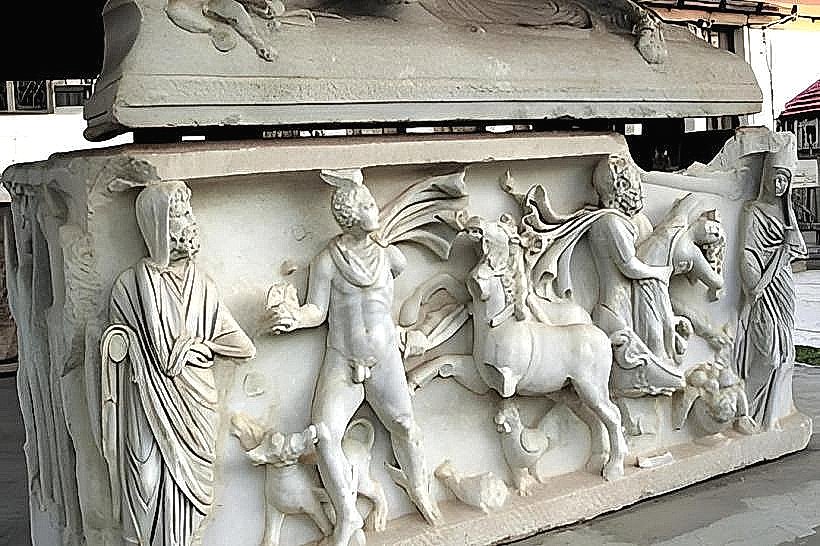
Visitors can view a range of archaeological finds, including Roman-era sculptures, Byzantine mosaics, and early 20th-century weaving equipment. The permanent exhibition details the history of Ashkelon from its Canaanite origins through the modern era. The museum also hosts local art exhibitions and educational lectures in the central arched hall.
Infrastructure & Amenities
The facility includes a main exhibition hall, a small research library, and an information desk. Public restrooms are available within the complex. Due to its historic stone construction, the museum remains naturally cool, though fans and lighting systems have been modernized. The building is largely wheelchair accessible via a ground-level entrance and is located within a strong 5G cellular coverage area.
Best Time to Visit
The museum is best visited during the morning hours when the Migdal market area is most active. It serves as an ideal indoor cultural activity during the summer months or on rainy winter days. Photography is permitted inside the museum, where the natural light filtering through high arched windows provides unique lighting for the stone architecture.
Facts & Legends
A verified historical oddity is that many of the stones used to build the Khan were originally carved by Roman and Crusader builders centuries earlier, making the building a composite of Ashkelon’s stratified history. Local tradition suggests the Khan was built over the site of an earlier medieval watchtower used to monitor the road to Egypt.
Nearby Landmarks
Al-Majdal Old Mosque – 0.1km East
Ashkelon National Park – 3.2km Southwest
Sea Park Ashkelon – 2.8km West
Migdal Pedestrian Mall – 0.2km South
Afridar Center – 2.5km West