Landmark: Barka Fort
City: Barka
Country: Oman
Continent: Asia
Barka Fort, Barka, Oman, Asia
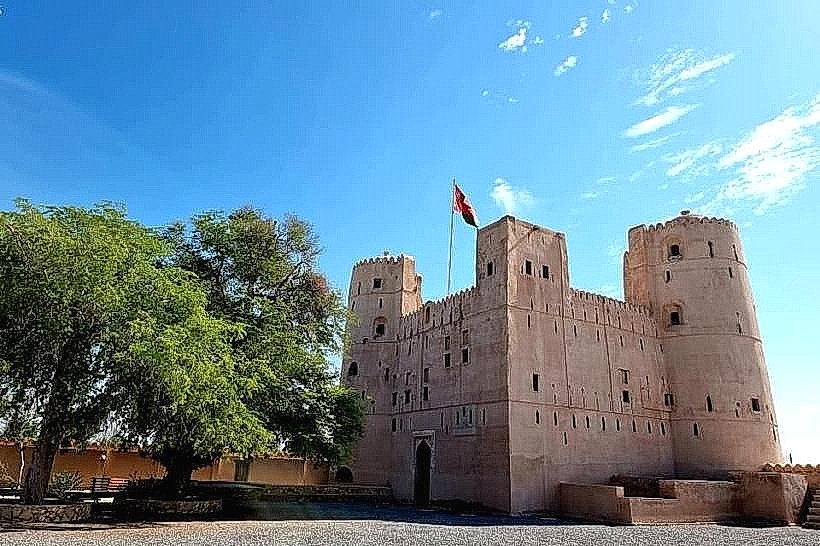
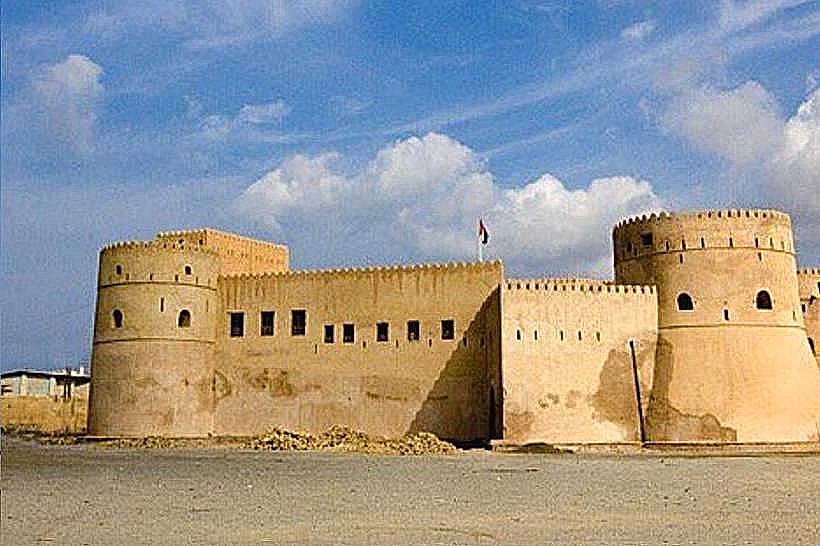
Barka Fort is a late 18th-century coastal fortification located in the Al Batinah South Governorate, approximately 80km west of Muscat. It serves as a strategic architectural landmark positioned between the Sea of Oman and the town’s traditional commercial center.
Visual Characteristics
Barka Fort is a large, multi-level sand-colored structure built primarily from limestone and mud-brick. Its design is characterized by its rectangular footprint and several prominent circular and square watchtowers that offer 360-degree views of the surrounding palm groves and shoreline.
Features an internal mosque and various residential quarters for the former governors.
Contains traditional arched doorways and heavy wooden gates with intricate carvings.
Incorporates deep storage rooms originally used for dates and military supplies.
Location & Access Logistics
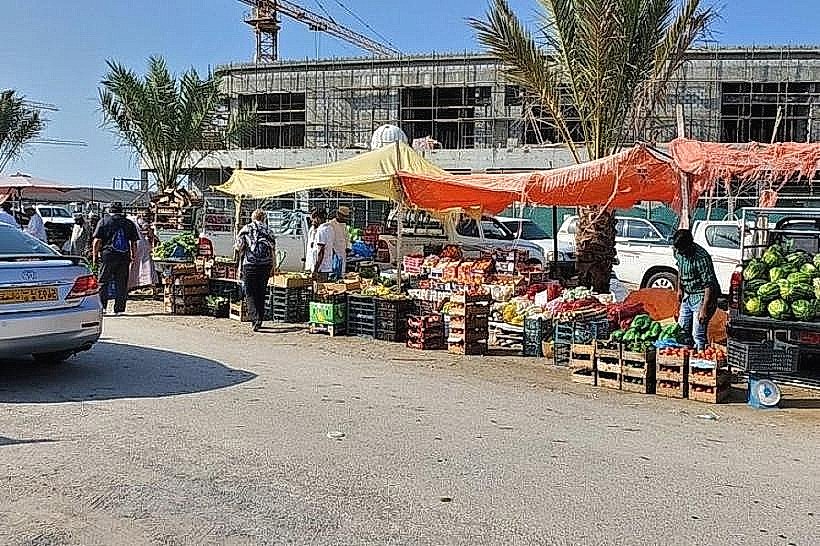
The fort is situated in the heart of Barka’s old town, directly adjacent to the traditional fish and vegetable markets. It is easily reachable by all vehicle types via the Muscat-Sohar Highway (Route 1) by taking the Barka exit and following the coastal road.
Ample paved parking is available in the municipal lots shared with the nearby market.
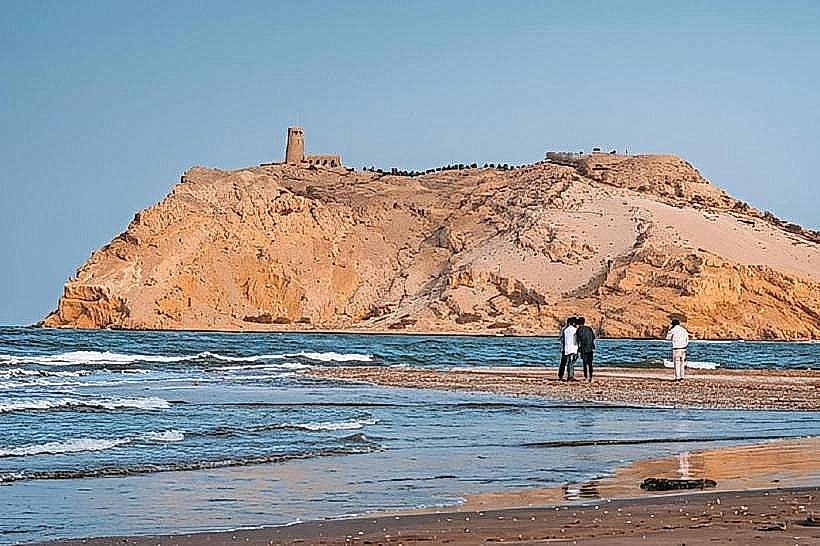
The site is a short walk from the Barka corniche and waterfront.
Local taxis are the most efficient way to reach the entrance from the Barka intercity bus stop.
Historical & Ecological Origin
The fort was significantly expanded and fortified during the Al Busaidi dynasty in the 18th century, though earlier defensive structures likely existed on the site. Geologically, it sits on the flat, sandy Batinah coastal plain, designed to protect the region's agricultural wealth and maritime trade.
Historically served as a defensive shield against naval incursions from the Gulf.
Integrated with the local environment, utilizing "sarooj" (traditional mortar) to withstand the high coastal humidity.
Infrastructure & Amenities
The site has undergone restoration to function as a heritage destination, featuring informative signage and basic visitor facilities.
Includes public restrooms located near the main entrance.
Reliable 5G cellular signal is available throughout the fort and surrounding market area.
While the fort itself has no dining, numerous traditional cafes and fresh juice stalls are located in the adjacent souq.
Best Time to Visit
The winter months from November to March are the most suitable for exploring the unconditioned rooftops and ramparts. To witness the most cultural activity, visitors should arrive in the early morning (07:00–09:00) when the nearby fish market is at its peak.
The fort typically follows government operating hours, usually closing in the early afternoon.
Sunrise and sunset provide the optimal lighting for photography of the towers against the sea.
Facts & Legends
Local history emphasizes the fort's role in the liberation of Oman from Persian forces in the 1700s, where it served as a key tactical site for Ahmed bin Said, the founder of the ruling dynasty.
A verified architectural detail is the "date honey" traps-slots above the main gate used to pour boiling syrup on invaders.
The fort is often the starting point for visitors exploring the "Fort Circle" route that includes Nakhal and Rustaq.
Nearby Landmarks
Barka Fish Market (0.2km North)
Barka Souq (0.3km West)
Bait Na'aman (5.0km South)
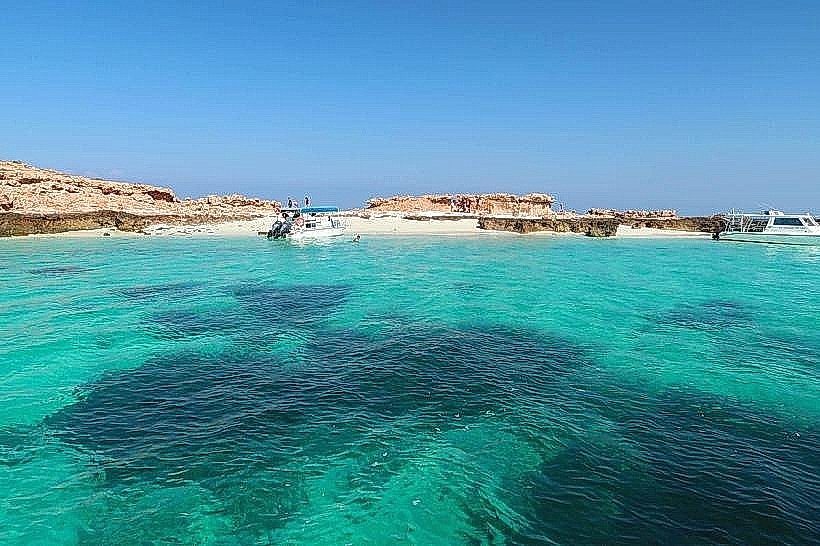
Sawadi Beach (25km West)