Landmark: Batu Caves
City: Kuala Lumpur
Country: Malaysia
Continent: Asia
Batu Caves, Kuala Lumpur, Malaysia, Asia
Batu Caves is a limestone hill comprising a series of caves and cave temples located in Gombak, Selangor, Malaysia, approximately 13 kilometers north of Kuala Lumpur city center.
Visual Characteristics
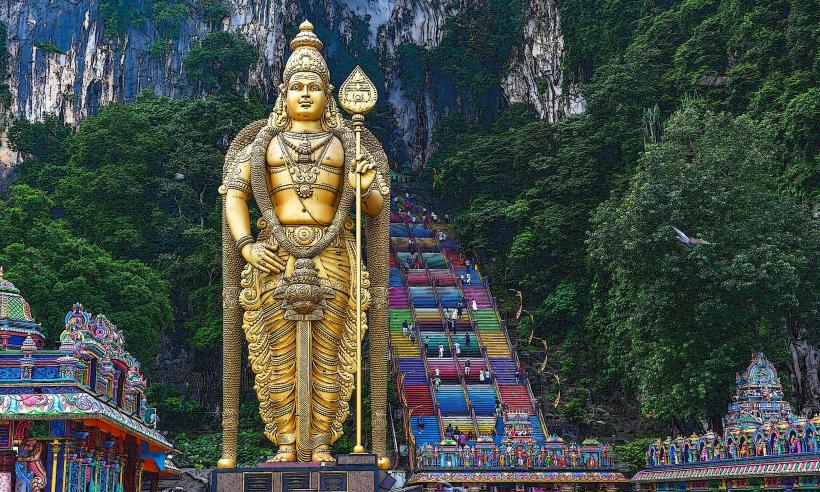
The site is dominated by a large, steep limestone cliff face. The main cave entrance is marked by a towering statue of Lord Murugan, constructed from concrete, steel, and fiberglass, standing 42.7 meters tall. The cave interiors are cavernous, with natural rock formations. The main cave, known as the Cathedral Cave, features a high ceiling and natural light shafts. The exterior is characterized by tropical vegetation.
Location & Access Logistics
Batu Caves is accessible via Jalan Batu Caves, which connects to the Middle Ring Road 2 (MRR2). The journey from Kuala Lumpur city center typically takes 20-30 minutes by car, depending on traffic. Ample parking is available at the base of the hill, though it can fill quickly during peak periods. The Batu Caves Komuter station (KA09) is located directly opposite the caves, served by the Port Klang Line, providing a direct rail link from KL Sentral and other stations. Bus services, such as RapidKL buses, also operate routes to the vicinity.
Historical & Ecological Origin
The limestone formations of Batu Caves are estimated to be around 400 million years old. The caves were first documented by colonial authorities in 1878. The site gained prominence as a Hindu temple dedicated to Lord Murugan in 1891, established by K. Thamboosamy Pillai. The imposing statue of Lord Murugan was completed in 2006.
Key Highlights & Activities
Climbing the 272 concrete steps to reach the main cave entrance is a primary activity. Exploring the Cathedral Cave, which houses a Hindu shrine. Visiting the Dark Cave, accessible via guided tours, to observe cave formations and wildlife. Observing the resident macaque monkeys. Participating in religious festivals, particularly Thaipusam, which draws large crowds.
Infrastructure & Amenities
Restrooms are available at the base of the caves. Shade is limited on the steps, but vendors at the base offer refreshments and some covered seating. Cell phone signal (4G/5G) is generally available. Numerous food and drink vendors operate at the entrance area.
Best Time to Visit
For photography, early morning (before 9 AM) or late afternoon (after 4 PM) offers softer lighting and fewer crowds. The best months for weather are generally from March to September, avoiding the heaviest monsoon rains. Visiting during weekdays outside of major festivals reduces crowd density. High tide is not a relevant factor for this inland site.
Facts & Legends
A local legend states that the hill itself is named after the Batu River, which flows nearby. The 272 steps are said to represent different stages of spiritual ascent. A unique tip for visitors is to be mindful of the macaques, as they are known to snatch food and belongings.
Nearby Landmarks
- Sri Maha Mariamman Temple (0.2km South)
- Kuala Lumpur Forest Eco Park (10km South)
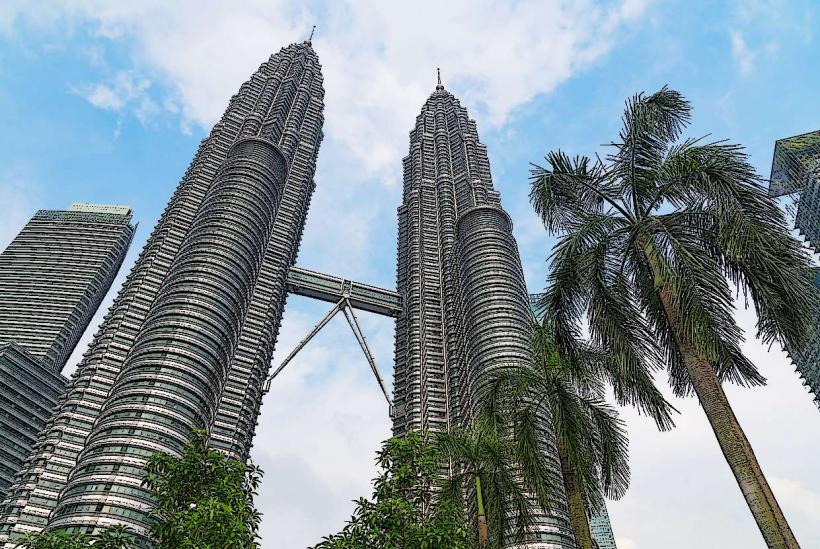
- Petronas Twin Towers (13km South)
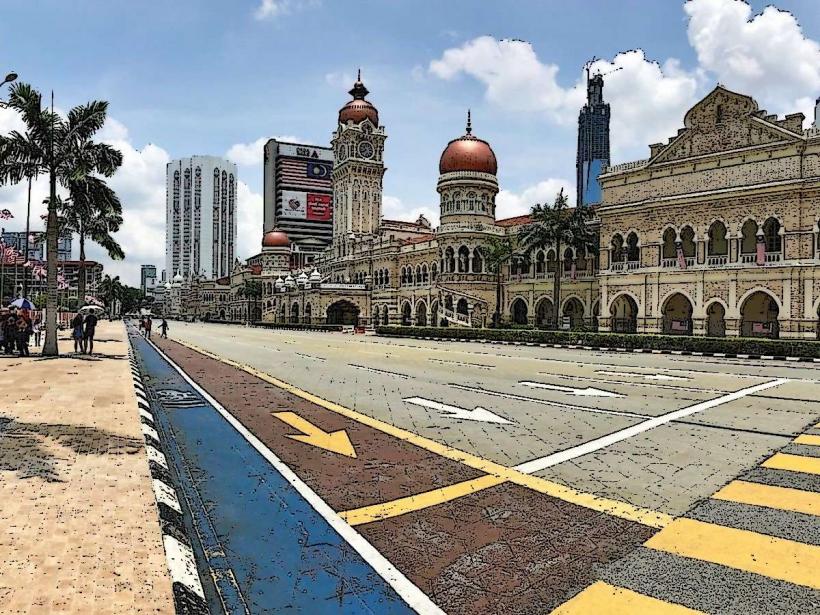
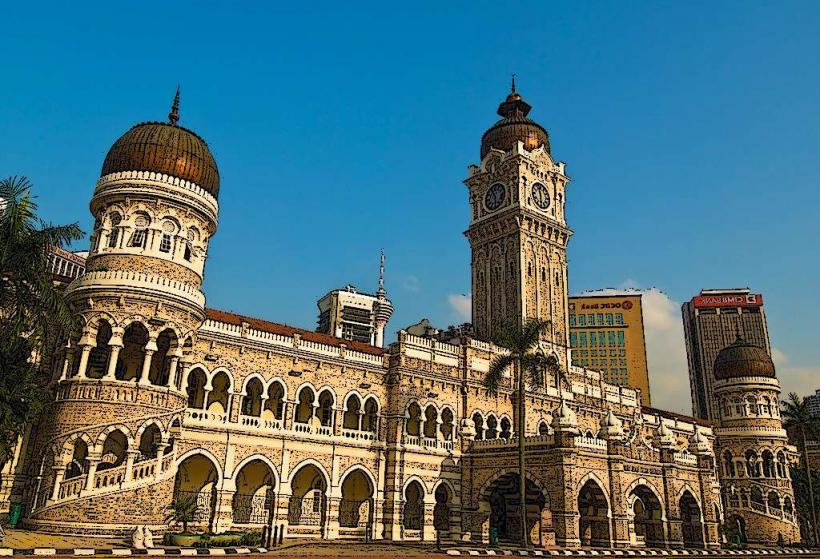
- Merdeka Square (14km South)
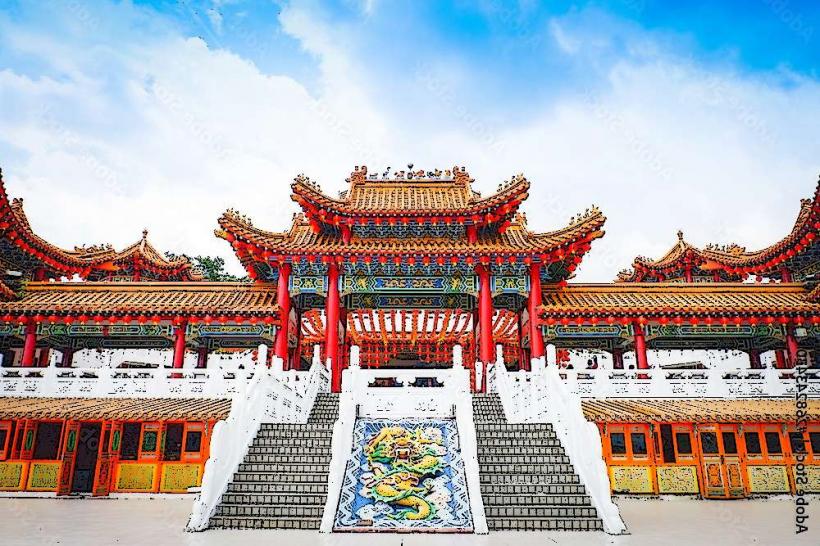
- Thean Hou Temple (15km South)